Remember when "using Canva" meant spending 45 minutes dragging things slightly to the left until they looked okay? Those days are apparently over, because Canva's AI assistant just leveled up in a very significant way.
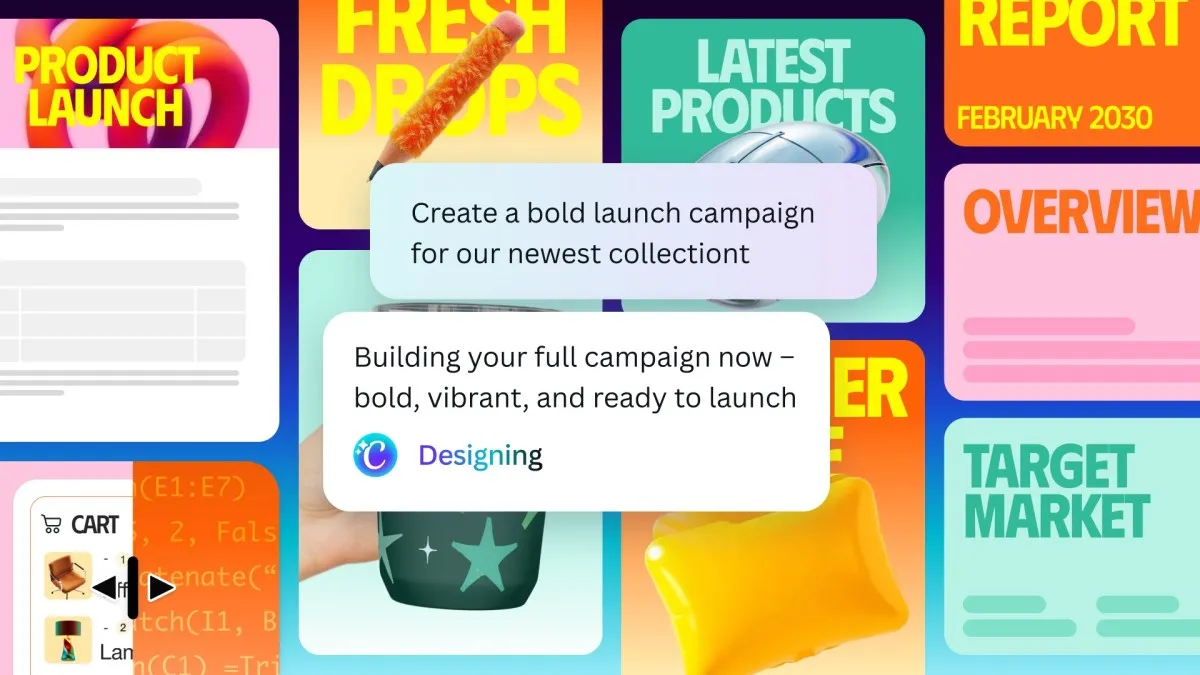
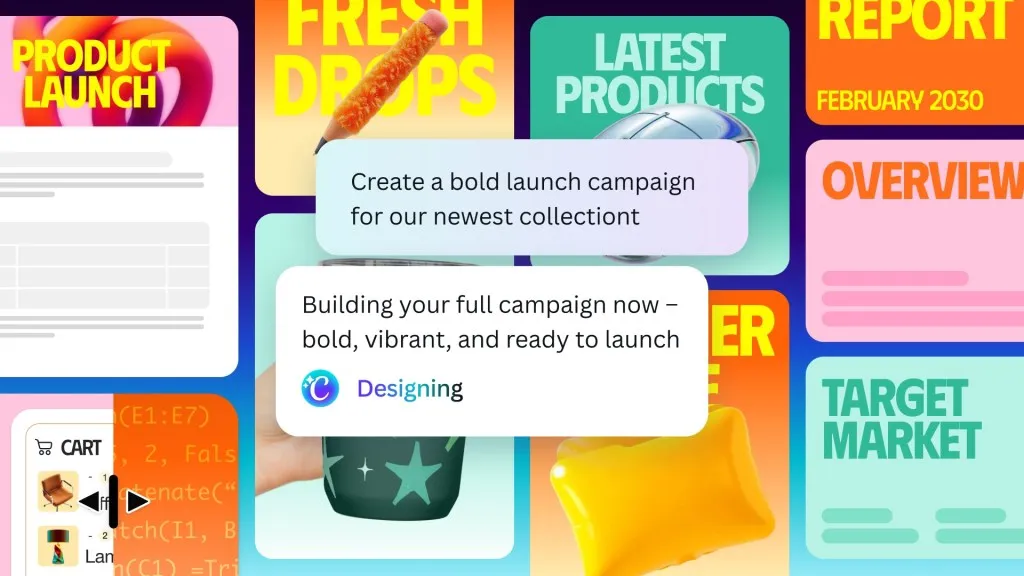
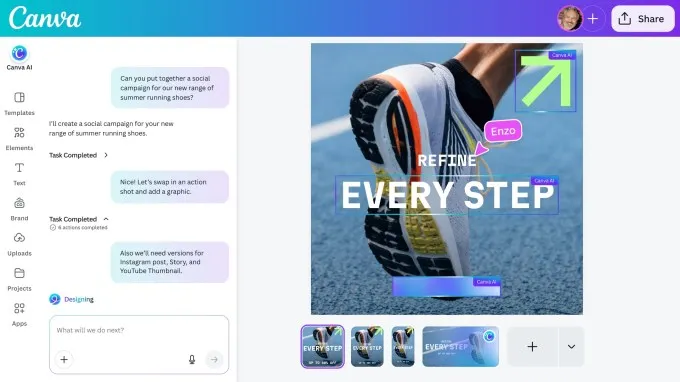
According to TechCrunch, the latest version of Canva's built-in AI assistant can now call on a range of tools autonomously to generate complete, fully editable designs from a simple text prompt. You describe what you want, and the AI essentially does the whole job - layout, elements, the works.
So what does this actually mean?
This isn't just a "generate a background image" kind of deal. The assistant can now chain together multiple tools in sequence to build out a real design, not just spit out a static image you then have to dismantle. The output is editable, meaning you get a proper Canva project you can tweak, brand up, or completely ignore the AI's taste on.
It's the difference between a co-pilot who hands you a map and one who actually drives you there. Annoying? Slightly. Impressive? Extremely.
Who this is actually for
Let's be honest - professional designers were never Canva's core audience. This update is a gift to the small business owner making their own Instagram posts at 11pm, the nonprofit volunteer trying to put together a flyer, and the marketing manager at a 10-person company who is technically "the creative one" by default.
For those people, the jump from "blank canvas" to "working design I can edit" is genuinely massive. The friction of starting from scratch is one of the biggest barriers to actually finishing anything, and AI that removes that barrier is not a gimmick - it's a workflow change.
The part where we pretend not to be impressed
There is something a little dizzying about typing a sentence and watching software assemble a multi-element design in response. It raises the usual questions about creative ownership, skill atrophy, and whether any of us will remember how to kern text in 10 years.
But it also raises a more immediate question: if the AI can handle the scaffolding, does that free up more mental space for the actually hard parts of design - like knowing what you want to communicate in the first place?
That's the optimistic read. The pessimistic read is that we're all about to have very confident, very mediocre design output flooding the internet. Both things can be true.
Either way, Canva just made a big move, and the bar for "good enough" in DIY design is about to shift considerably.