Remember contact-tracing apps? Those plucky little digital tools that governments around the world deployed during COVID-19 with the energy of a first-year med student who just discovered epidemiology? Well, someone asked whether they could help with hantavirus outbreaks, and the answer is... not really. Sorry.
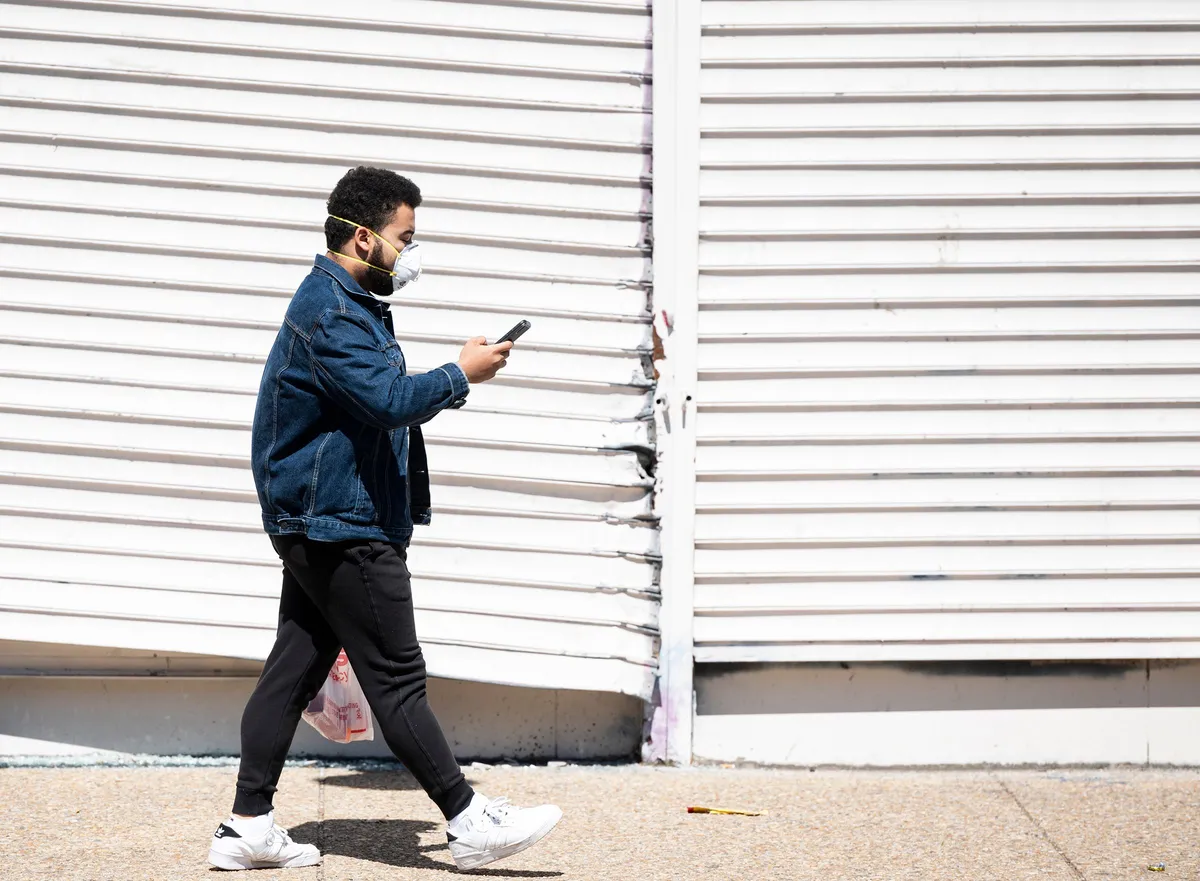
According to reporting by Wired, the core problem is scale - and it's a bigger deal than you might think. Contact-tracing apps work by leveraging Bluetooth signals to log when two phones spend enough time near each other. The logic is clean: if you test positive, the app notifies everyone your phone "met" recently. Elegant, right? Right. But here's where it falls apart.
A numbers game nobody wins
These apps depend on a critical mass of users. During COVID-19, the math made sense because the virus was everywhere, millions of people had the app installed, and the probability of two infected people both carrying the app was actually meaningful. Hantavirus outbreaks are a completely different beast - small, localized, and relatively rare.
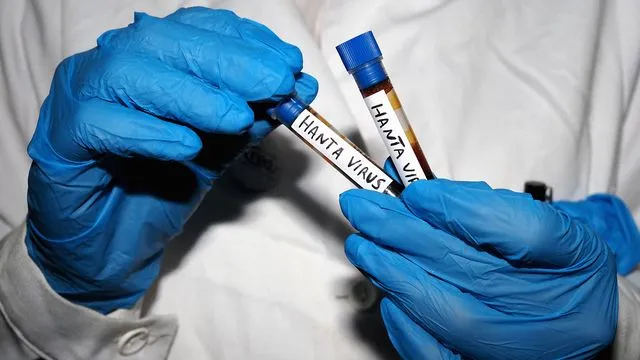
Here's the kicker: you don't actually catch hantavirus from other people. You get it from rodents - specifically from their droppings, urine, or saliva. So the entire premise of contact tracing, which is built around tracking human-to-human transmission, simply doesn't apply. Your phone has no idea you just cleaned out a dusty shed full of mouse droppings. Tragically, there is no app for that.
The right tool, the wrong job
This is basically the technological equivalent of bringing a pasta strainer to a knife fight. Contact-tracing apps are genuinely impressive public health tools - for the specific, narrow scenario they were designed for. Respiratory viruses spreading person-to-person in densely populated areas? Chef's kiss. Rodent-borne pathogens in rural environments? Absolutely not the vibe.
What actually helps with hantavirus is decidedly low-tech: avoiding rodent habitats, wearing masks when cleaning enclosed spaces, and not disturbing areas with signs of rodent activity. Public health messaging, environmental controls, and good old-fashioned awareness campaigns are the real MVPs here.

The lesson hiding in plain sight
There's a broader point worth making: the pandemic supercharged our collective enthusiasm for tech-based health solutions, and that enthusiasm doesn't always age well when applied to different problems. Not everything scales. Not every tool is universal.
Sometimes the smartest thing a piece of technology can do is know when it's not the right answer - which, ironically, is also something humans are notoriously bad at. As Wired points out, the mismatch between the tool and this particular outbreak isn't a failure of the apps themselves. It's just a reminder that epidemiology is complicated, and no single innovation gets to be the answer to everything.
Your COVID-era contact-tracing app had a good run. Let it rest.