If you've ever wondered what happens when a bored software developer, a GitHub account, and apparently some weed collide with one of Google's most ambitious AI safety tools - well, buckle up.
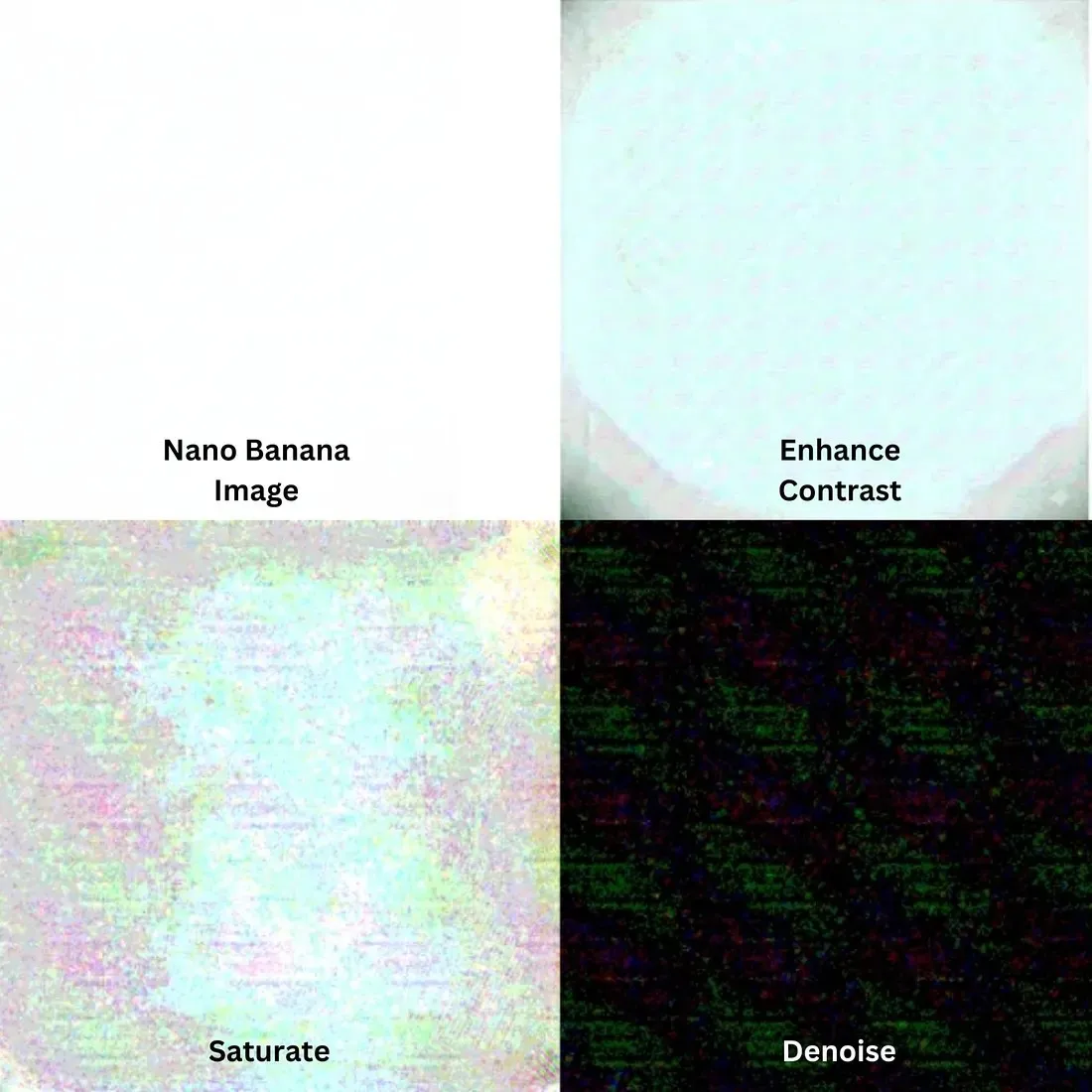
A developer going by the username Aloshdenny has publicly claimed to have reverse-engineered SynthID, the watermarking system developed by Google DeepMind to identify AI-generated images. The work has been open-sourced on GitHub, complete with documentation of the process. According to the developer, all it took was 200 Gemini-generated images, some signal processing knowledge, and - direct quote - "way too much free time." A little weed apparently also helped. Science!

So what does SynthID actually do?
SynthID is Google's attempt to solve one of AI's messiest problems: how do you tell if an image was generated by a machine? The system embeds an invisible watermark into AI-generated images - something imperceptible to the human eye but theoretically detectable by the right software. It's the kind of thing that matters a lot when misinformation is running wild and deepfakes are getting scarily good.
Aloshdenny claims their reverse-engineering work goes both ways - not only can the watermark apparently be stripped from AI-generated images, but it could also be inserted into images that weren't AI-generated at all. Which is, to put it mildly, the exact opposite of what a watermarking system should allow.
Google says: nope
Google is pushing back on the claims, saying the reverse-engineering isn't actually what it looks like. No further detail on that front from the company, according to reporting by The Verge - just a firm denial that the system has been cracked.
And here's where it gets philosophically spicy. Even if Google is right and the implementation isn't a full break of SynthID, the fact that someone tried - and made a convincing enough case to generate headlines - is a reminder that invisible watermarks are only as good as their secrecy. Once the cat is even partially out of the bag, the arms race begins.
Why this matters beyond the drama
This isn't just a nerdy GitHub flex. Watermarking systems like SynthID are being positioned as a serious part of the solution to AI-generated misinformation. Regulators in the EU are watching. Journalists are watching. Basically everyone who has ever screamed "but is that image real?" at their screen is watching.
If these systems can be reverse-engineered by one person with free time and some signal processing skills, the entire premise of "just watermark the AI stuff" starts to look a bit shaky. Or, to be generous, it at least suggests the technology needs to be a lot more robust before we start treating it as gospel.
Either way, Aloshdenny has had a very productive weekend. Possibly the most chaotic one in AI watermarking history.