If you've been half-watching the slow-motion race to make smart glasses actually good, Snap just made things more interesting. The company behind Snapchat has been teasing a next-generation version of its augmented reality glasses for what feels like forever - and a new partnership with Qualcomm suggests real momentum might finally be building.
Why this matters beyond the hype
Snap has been in the AR glasses game longer than most people realize. Its Spectacles line started as a novelty camera product back in 2016, and the company has been quietly iterating ever since - mostly for developers and creators rather than everyday consumers. The problem has always been the gap between what the demos promise and what the hardware can actually deliver.
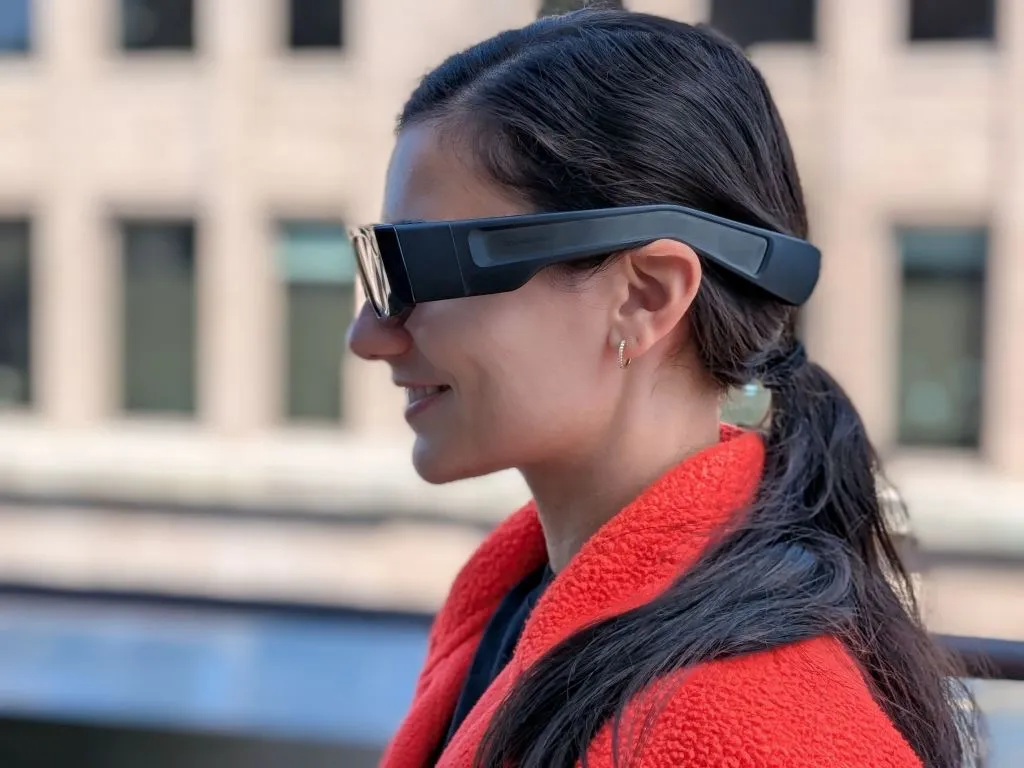
That's where Qualcomm comes in. The chip giant is one of the most important players in the wearables space, and partnering with them signals that Snap is thinking seriously about the processing power needed to make AR glasses feel genuinely useful rather than just impressive in a controlled environment. According to reporting by TechCrunch, this collaboration marks meaningful progress after a years-long hiatus from releasing consumer-facing hardware.

The bigger picture for wearable tech
Snap isn't alone in chasing this vision. Meta has been pushing its Ray-Ban smart glasses hard, and the reception has been surprisingly warm - proving that people are open to wearing tech on their faces as long as it doesn't look ridiculous. Apple's Vision Pro sits at the premium end of mixed reality, though its price tag keeps it firmly in enthusiast territory for now.

What Snap has going for it is a brand that already lives on faces - filters, lenses, and AR have been central to the Snapchat experience for years. If anyone has a user base primed to actually want AR glasses, it's probably them.
Don't clear your calendar just yet
A partnership announcement isn't a product launch. The road from "closer to releasing" to "available at checkout" is famously long and littered with vaporware in the wearables world. But the Qualcomm news is a meaningful signal that Snap is investing real infrastructure into making this happen - not just rendering concept videos for keynote slides.
For anyone who's been quietly hoping that AR glasses become a real, wearable, everyday thing rather than a sci-fi prop: this is worth watching. The pieces are slowly coming together, and Snap might have a bigger role in that story than most people expected.