
If you've ever stumbled out of bed to wrestle with tangled blind cords or woken up at 6am because you forgot to close the curtains the night before, smart window coverings have probably crossed your mind. The good news: they've gotten a lot better, and a lot more accessible.
According to a roundup of tested smart shades, blinds, and curtains by Wired, the category has matured well beyond clunky early adopter territory. Whether you're outfitting a new build or just tired of manual cords, there's now a solution for almost every situation and budget.
The big split: made-to-measure vs. retrofit
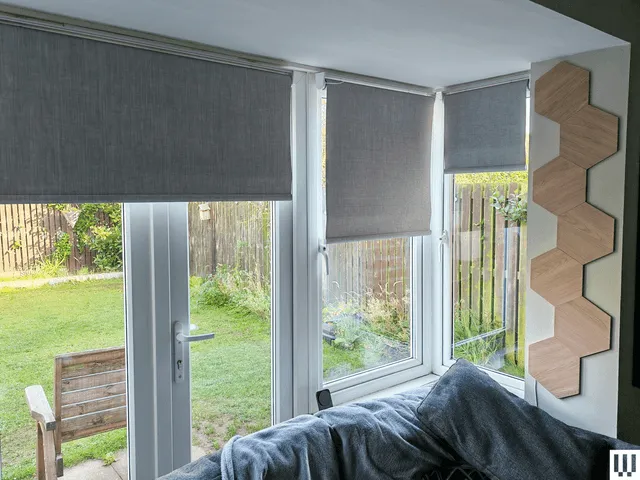
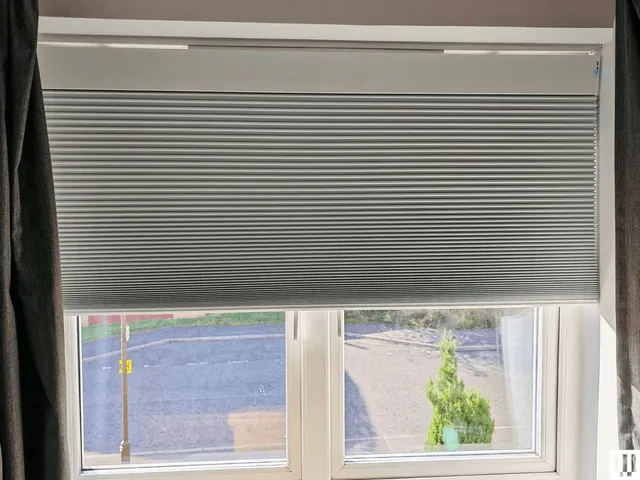
The first decision you'll face is whether you want to go custom or keep what you have. Made-to-measure smart shades - the kind that are built specifically for your window dimensions and motorized from the start - offer the cleanest look and the most seamless experience. They tend to cost more, but the tradeoff is a polished finish that actually looks intentional rather than bolted-on.
For renters or anyone not ready to commit to a full window overhaul, retrofit curtain bots are a genuinely clever alternative. These devices attach to your existing curtain rod and automate the open-and-close motion, turning dumb curtains into smart ones without replacing anything. They're not as elegant, but they get the job done.
Why it matters beyond convenience
It's tempting to write smart shades off as a luxury gimmick, but there's a solid practical case for them. Automating your blinds based on time of day or sunlight levels can meaningfully reduce heat gain in summer and heat loss in winter, which adds up on your energy bill. Pairing them with a smart home system means they can work in sync with your thermostat, your morning alarm, or even your TV setup for an instant blackout mode.
Privacy scheduling is another underrated perk - especially in city apartments where you want light during the day but coverage by evening without having to think about it.
What to consider before buying
- Measure carefully - most made-to-measure options require precise window dimensions
- Check smart home compatibility, especially if you're already using Google Home, Amazon Alexa, or Apple Home
- Factor in battery life or wiring requirements - some motors need hardwiring, others run on rechargeable batteries
- Think about fabric and light filtration, not just the motor
The Wired guide is a solid starting point if you're ready to compare specific models across categories. The bottom line is that smart window coverings have quietly become one of the more practical smart home upgrades you can make - especially if you're someone who cares about sleep, energy use, or just not fumbling with cords every morning.