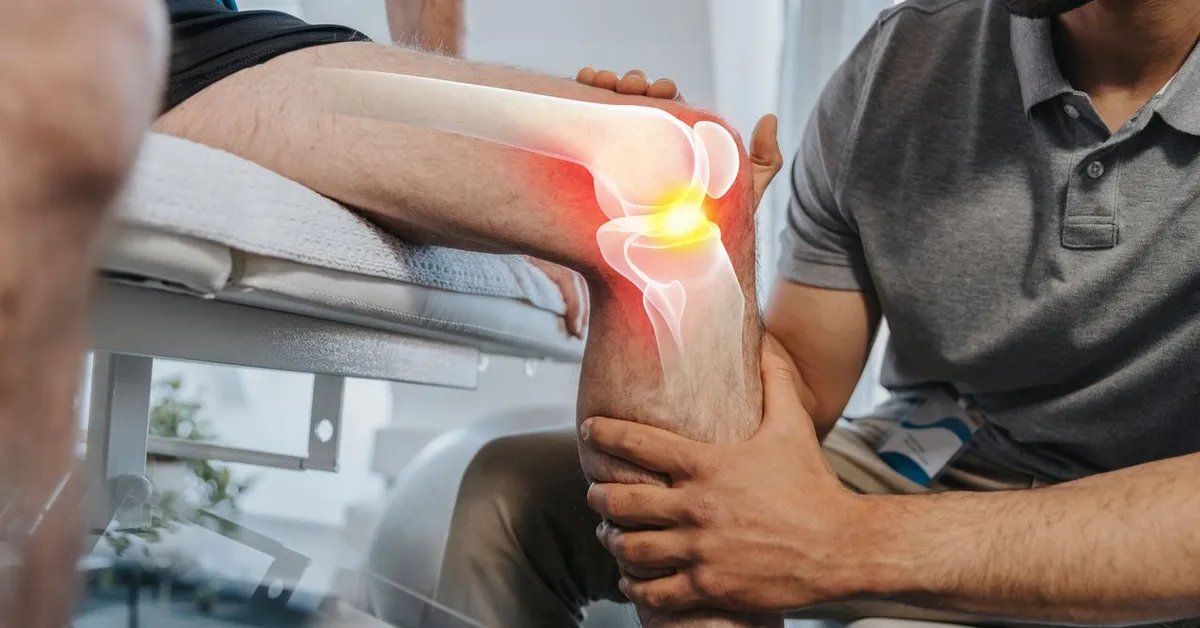
If your joints have been sounding like a bowl of Rice Krispies every time you stand up, science may finally have your back - or rather, your knees, hips, and everything else that's been staging a quiet revolt against you.
According to a report from Wired, researchers have developed new therapies that could actually reverse joint damage caused by osteoarthritis, potentially with just a single injection. Yes, one shot. Not a lifetime of anti-inflammatory pills, not a brutal surgery, not just "have you tried yoga?"
Why this is kind of a huge deal
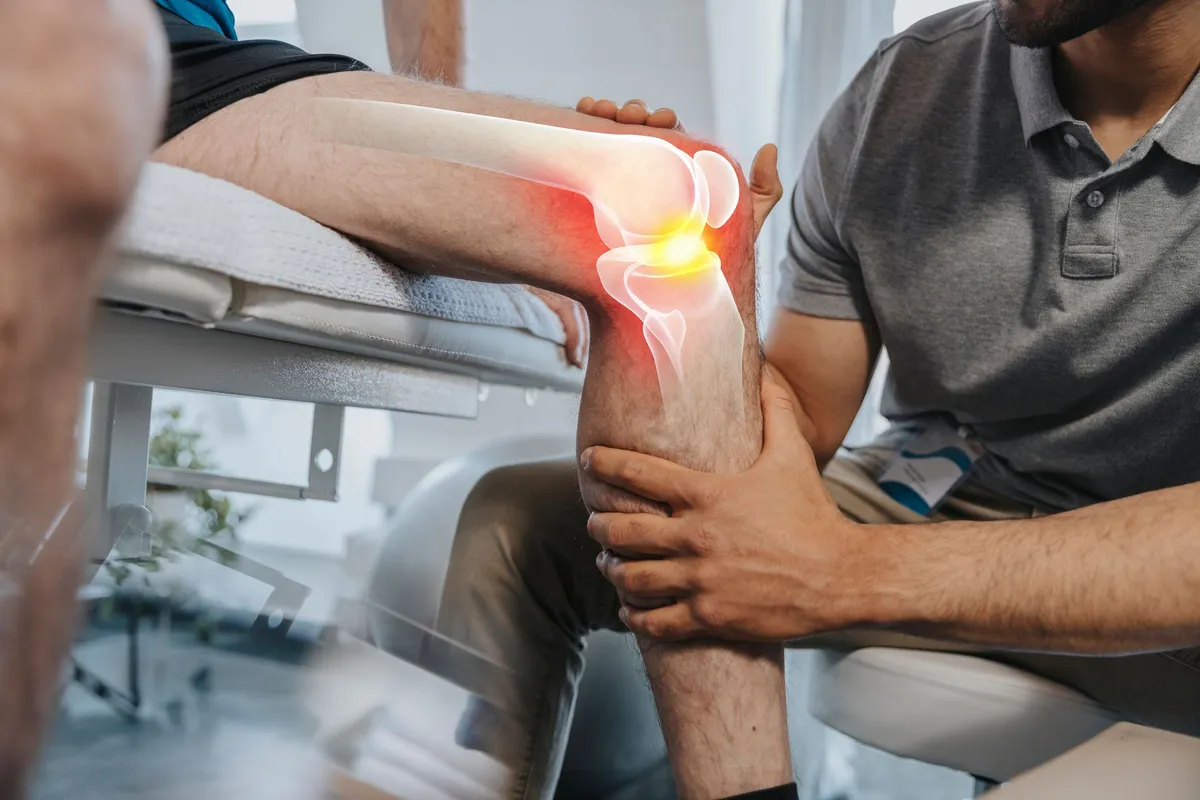
Osteoarthritis affects hundreds of millions of people worldwide and, until now, had exactly zero cures. The condition slowly breaks down the cartilage cushioning your joints, and once it's gone, conventional medicine has basically shrugged and handed you a brochure about pain management.
These new therapies flip that script. Rather than just masking the pain, the treatments are designed to help aging or damaged joints actually repair themselves - and reportedly within a matter of weeks. That's not a typo. Weeks, not years.

So how does it work?
The approaches being developed target the biological mechanisms behind cartilage degeneration, nudging the body into doing what it stubbornly stopped doing on its own. Think of it less like patching a tire and more like convincing the tire to grow back.
Researchers are looking at ways to deliver regenerative compounds directly into the joint, which is why the single-injection delivery method is such a compelling piece of this puzzle. No complicated treatment regimens, no daily pill organizers the size of a tackle box.

Don't book your cartilage party just yet
Before you throw out your glucosamine supplements in celebration, it's worth noting that these therapies are still in development. The gap between "researchers have developed promising treatments" and "your doctor can prescribe this on Tuesday" tends to involve years of clinical trials, regulatory approvals, and the general chaos of medical science doing its thing.
But the direction of travel here is genuinely exciting. Osteoarthritis has long been treated as an inevitable tax on getting older - something you manage, not something you fix. The idea that we might be approaching a world where joint damage is actually reversible represents a pretty fundamental shift in how medicine thinks about aging bodies.
For the millions of people quietly wincing every time they walk down stairs, that shift cannot come fast enough.