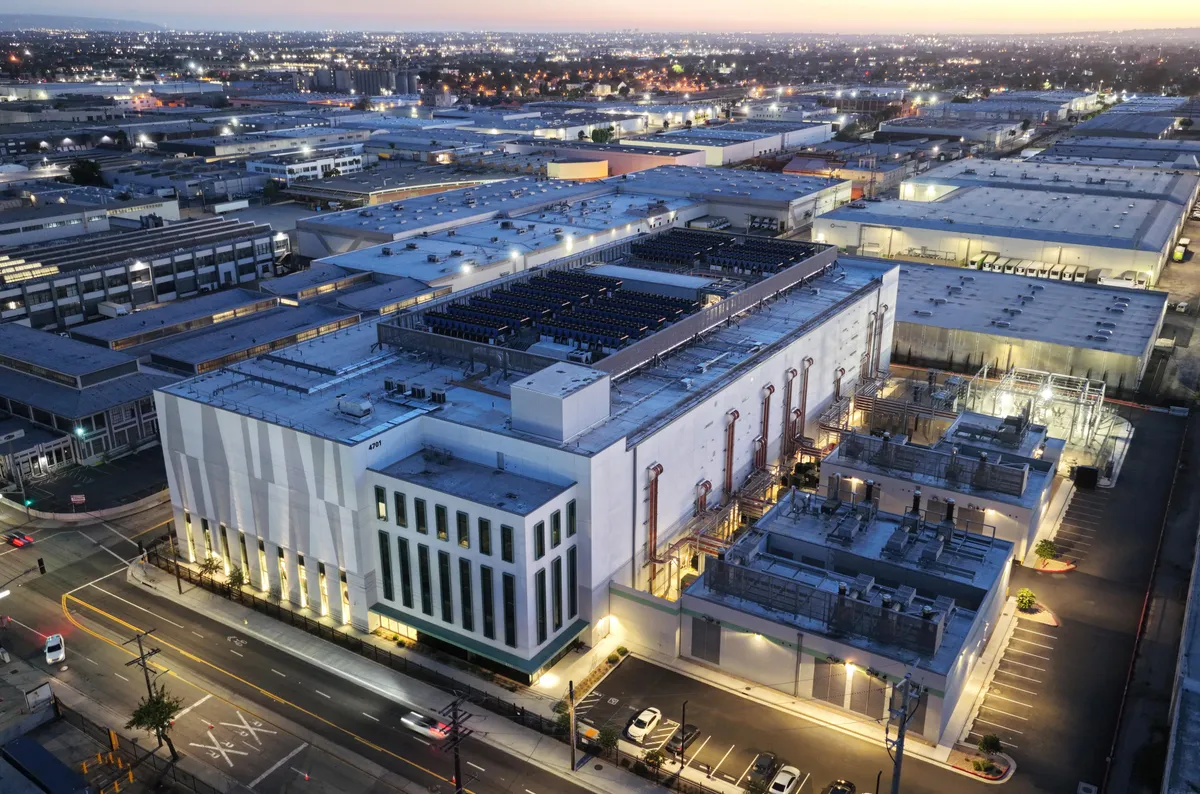
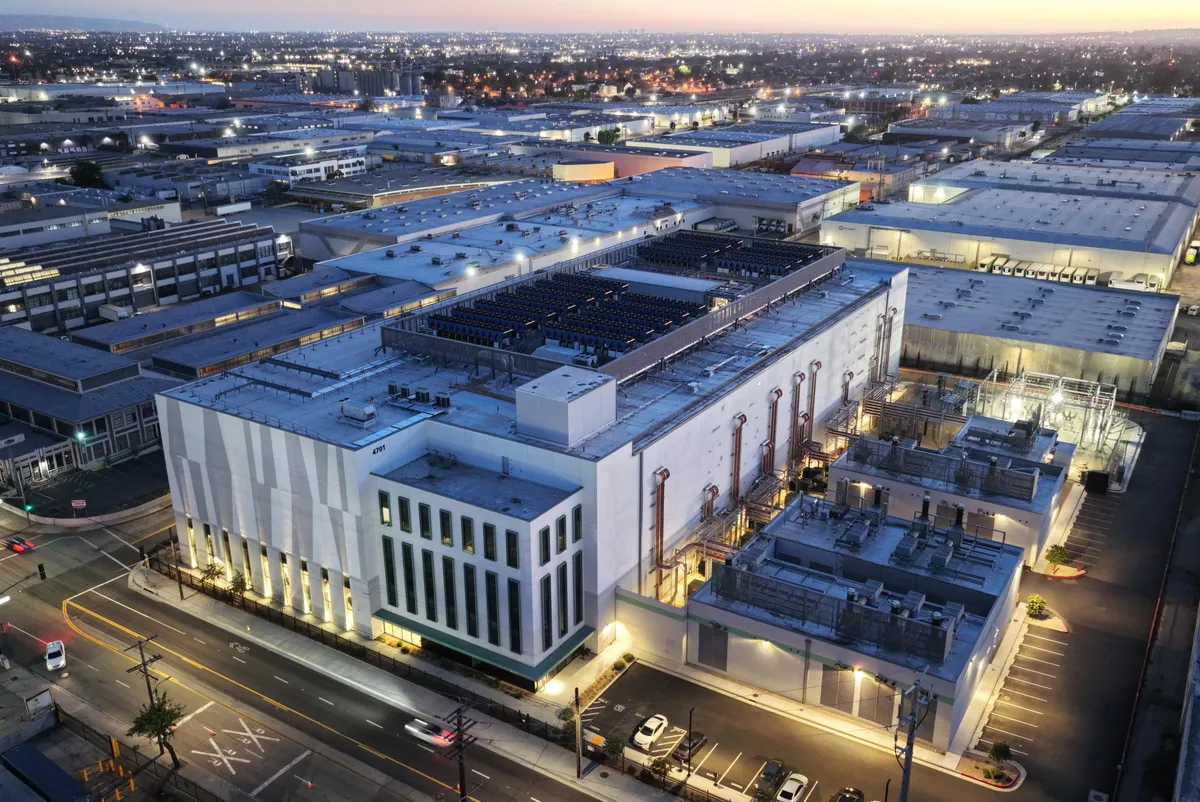
Americans have a new villain to rally against, and it hums loudly, drinks water like a camel on vacation, and glows faintly in the dark. Yes, we're talking about data centers - specifically the giant, AI-hungry hyperscale kind that have been popping up across the country like very expensive, very ugly mushrooms.
The anti-data-center movement is real, it's growing, and honestly? It makes total sense on the surface. Nobody moves to a quiet suburb dreaming of a warehouse-sized server farm as their next-door neighbor. Citizens across the US are showing up to town halls, organizing, and in some cases successfully blocking construction. The vibes are firmly "not in my backyard" - and then some.
But wait, there's a catch
According to a report from Vox, the reality of data centers and their local impact is genuinely complicated. Yes, they can increase air pollution in the surrounding area. That's bad! Nobody is pretending otherwise. But the conversation tends to stop right there, which means a lot of people are making decisions based on only half the picture.

The economic argument for data centers - jobs, tax revenue, infrastructure investment - is not just corporate talking-point fluff. For some communities, particularly smaller or economically struggling ones, a data center deal can mean real money flowing into local schools and roads. Whether that trade-off is worth it is a completely legitimate debate. But it IS a trade-off, not a straightforward villain origin story.

The AI angle makes everything spicier
The hyperscale data centers fueling the AI boom are in a different league entirely when it comes to energy and water consumption. These aren't your grandpa's server rooms. We're talking about facilities that can strain local power grids and pull enormous amounts of water for cooling - which tends to really upset people in drought-prone areas, for very understandable reasons.
So where does that leave us? Somewhere deeply uncomfortable, which is exactly where good policy debates should live. The "cancel all data centers" crowd and the "growth at any cost" crowd are both doing that thing where a genuinely complex issue gets flattened into a bumper sticker.
Your hometown's relationship with a potential data center depends enormously on the specific deal, the specific facility, and the specific needs of your community. Which is, admittedly, a much less satisfying answer than "data centers bad" - but it's the honest one.