
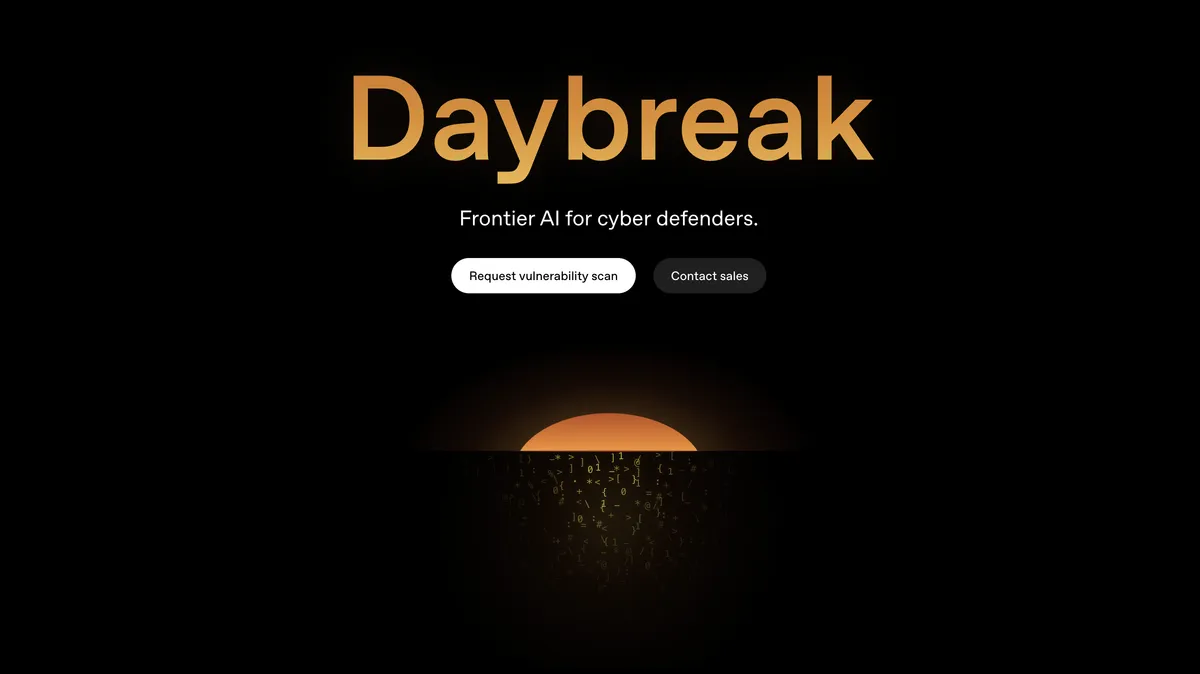
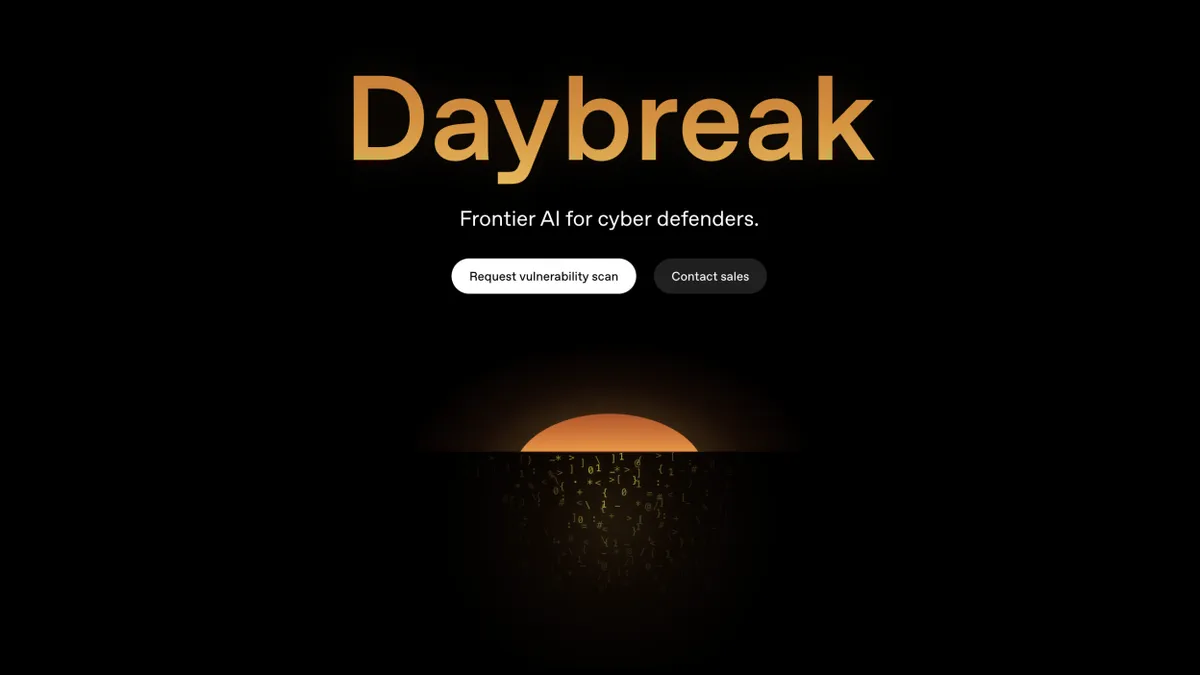
Just when you thought OpenAI was busy enough rewriting essays and generating weird images of cats in business suits, they've gone and launched a cybersecurity tool. Meet Daybreak - an AI-powered cyber defense system designed to sniff out security vulnerabilities before the bad guys do.
According to Mashable, Daybreak uses AI smarts to identify security flaws, essentially putting an artificial intelligence on permanent guard duty. Think of it as hiring a digital bouncer who never sleeps, never takes a coffee break, and genuinely enjoys finding problems.
Why this actually matters
Here's the thing about cybersecurity that most people don't fully appreciate: the attackers only need to find one hole. The defenders need to find all of them. It's an exhausting, asymmetric game that humans have been losing for decades - not because security professionals aren't brilliant, but because the sheer volume of potential vulnerabilities in modern software is absolutely staggering.

That's where AI starts to make a lot of sense. A system that can continuously scan, test, and probe for weaknesses - without getting tired or distracted - could genuinely shift that balance. Daybreak appears to be OpenAI's bet that AI-assisted defense is the next frontier in keeping digital infrastructure safe.
The bigger picture here
OpenAI building offensive-adjacent security tools is a fascinating move. They've spent years navigating criticism about AI being used for harmful purposes - deepfakes, misinformation, you name it. Pivoting some of that same horsepower toward active cyber defense is a pretty clean PR win, but it's also a genuinely useful application.
Cybersecurity has always been a cat-and-mouse game. The worrying flipside, of course, is that if AI can find vulnerabilities faster, it can also exploit them faster in the wrong hands. The arms race just got a serious upgrade on both sides of the fence.
So what does this mean for the rest of us?
Realistically, Daybreak isn't something you'll be downloading to protect your home Wi-Fi next Tuesday. This is enterprise-level, infrastructure-focused stuff. But tools like this tend to trickle down over time - today's cutting-edge corporate security becomes tomorrow's standard practice.
The fact that one of the most prominent AI companies in the world is throwing serious resources at cyber defense suggests the industry is treating AI-powered attacks as an imminent and real threat. Which, honestly, is both reassuring and slightly terrifying.
Reassuring because smart people are working on it. Terrifying because apparently it needed working on this urgently.