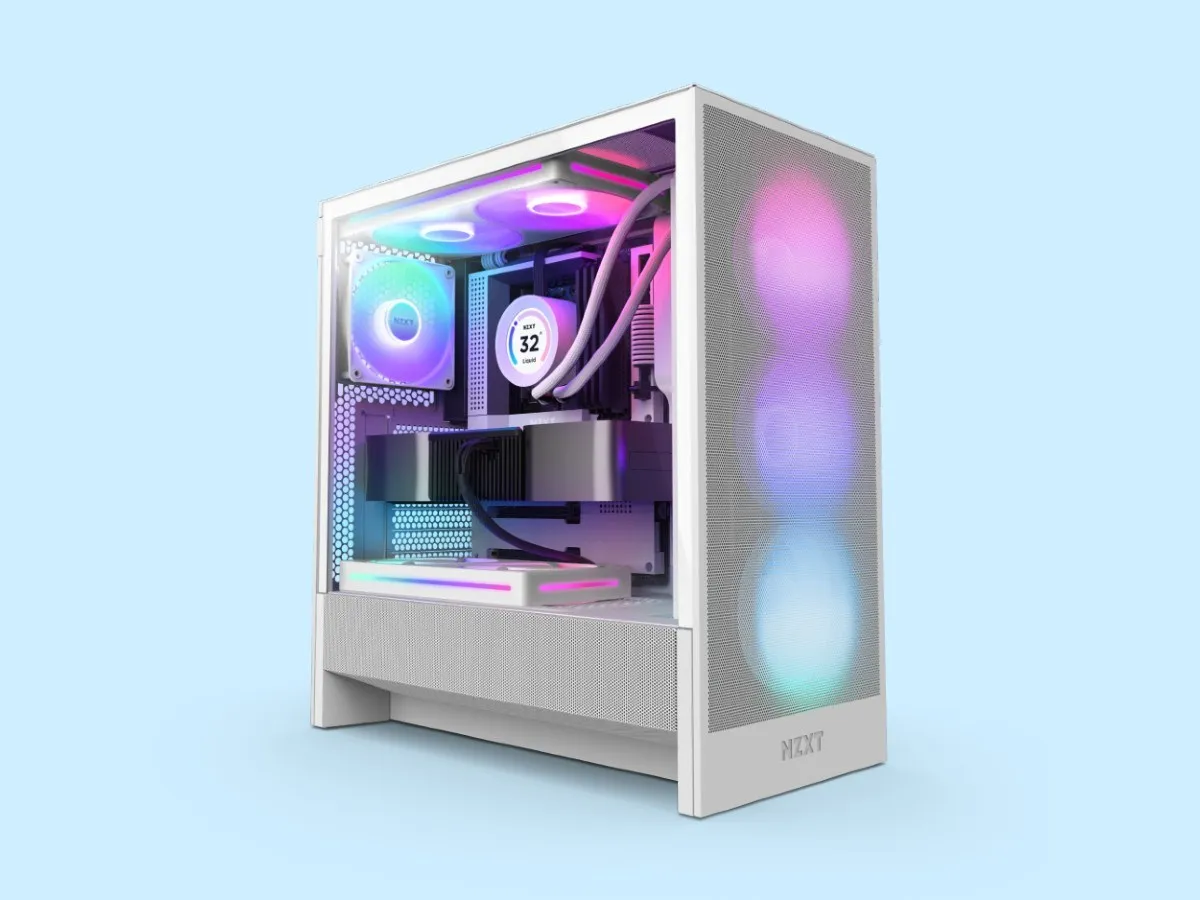
If you ever rented a gaming PC through NZXT's Flex program and thought, "wait, am I actually going to own this thing eventually?" - congratulations, you were apparently not alone. And now there's a $3.45 million settlement to prove it.
NZXT and its business partner Fragile have agreed to pay out that sum to settle a class-action lawsuit that accused them of running what plaintiffs basically called a scam. According to The Verge, the preliminary settlement was filed in a California District Court on April 7th, wrapping up a civil RICO case - yes, that RICO, the one usually reserved for organized crime - against the Flex program.

So what actually happened?
The core allegation is pretty straightforward: Flex customers thought they were in a rent-to-own situation. You know, the classic "pay monthly, eventually the thing is yours" arrangement that anyone who has ever rented a couch from a furniture store understands instinctively. But according to the lawsuit, that wasn't actually how Flex worked - and the program allegedly wasn't clear enough about that distinction.
Over 19,000 customers were reportedly caught up in this confusion. That's a lot of people shelling out monthly payments for gaming PCs they may not have fully understood they'd never technically own.
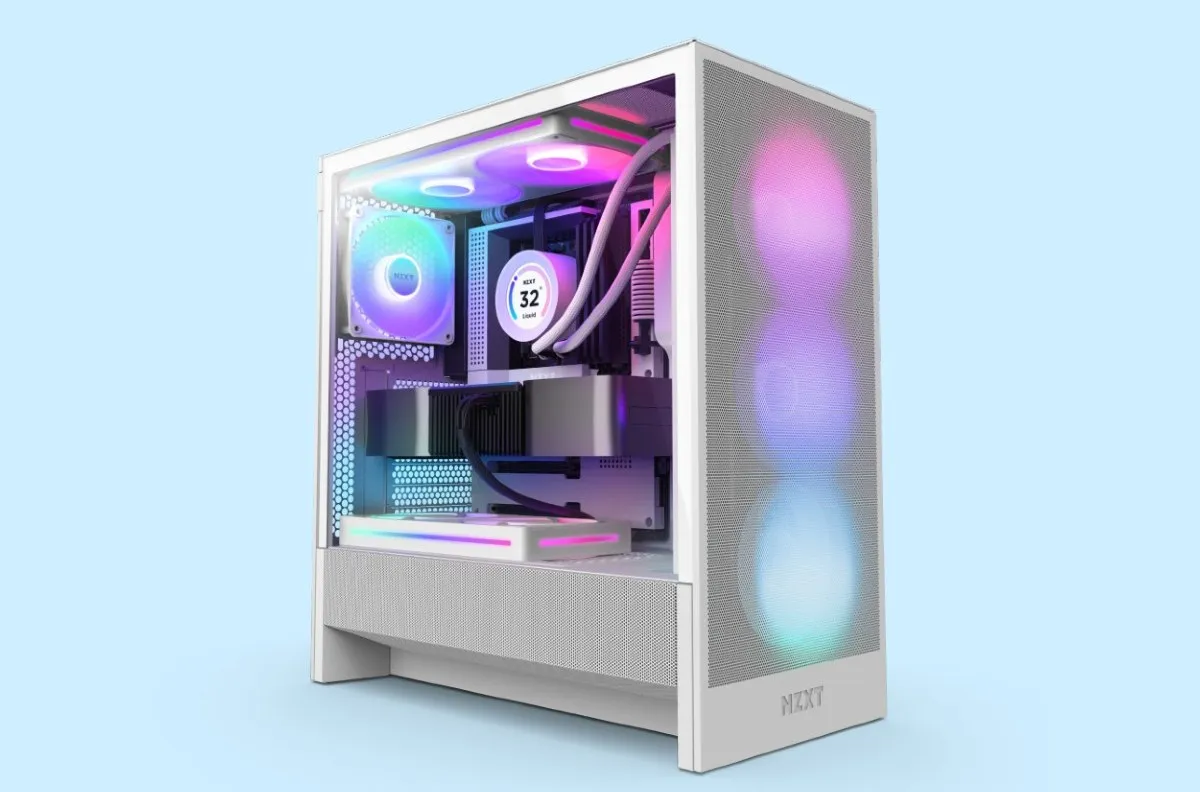
RICO? For a PC rental program?
Invoking RICO in a consumer protection case is - let's say - a bold legal move. It's a statute most people associate with mobsters, not monthly PC subscriptions. But civil RICO claims have become a go-to tool in class-action suits involving alleged schemes to defraud consumers, so here we are: NZXT, in the same legal framework as The Godfather.
To be clear, settling a lawsuit doesn't constitute an admission of wrongdoing. NZXT hasn't declared itself guilty of anything. But writing a $3.45 million check is also not nothing.
What this means for PC gaming subscriptions
The Flex program was genuinely interesting on paper - getting a capable gaming PC on a monthly payment plan, lowering the barrier to entry for people who can't drop $1,500 upfront. The concept isn't inherently bad. But if the terms aren't crystal clear about what customers are actually getting (and keeping), that's where things get messy fast.
The settlement is still preliminary, so the final details aren't locked in yet. But for nearly 20,000 customers, it at least signals some form of accountability for a program that left a lot of people scratching their heads about what exactly they'd been paying for.