Here is a fun problem nobody warned us about when we started letting AI design pharmaceuticals: the machines are absolutely prolific, and we have no idea what to do with the avalanche of molecules they keep generating.
Turns out, asking an AI to dream up potential drug candidates is the easy part. Understanding whether those candidates are actually useful? That is where things get painfully complicated - and embarrassingly slow.
The pipeline problem nobody is talking about
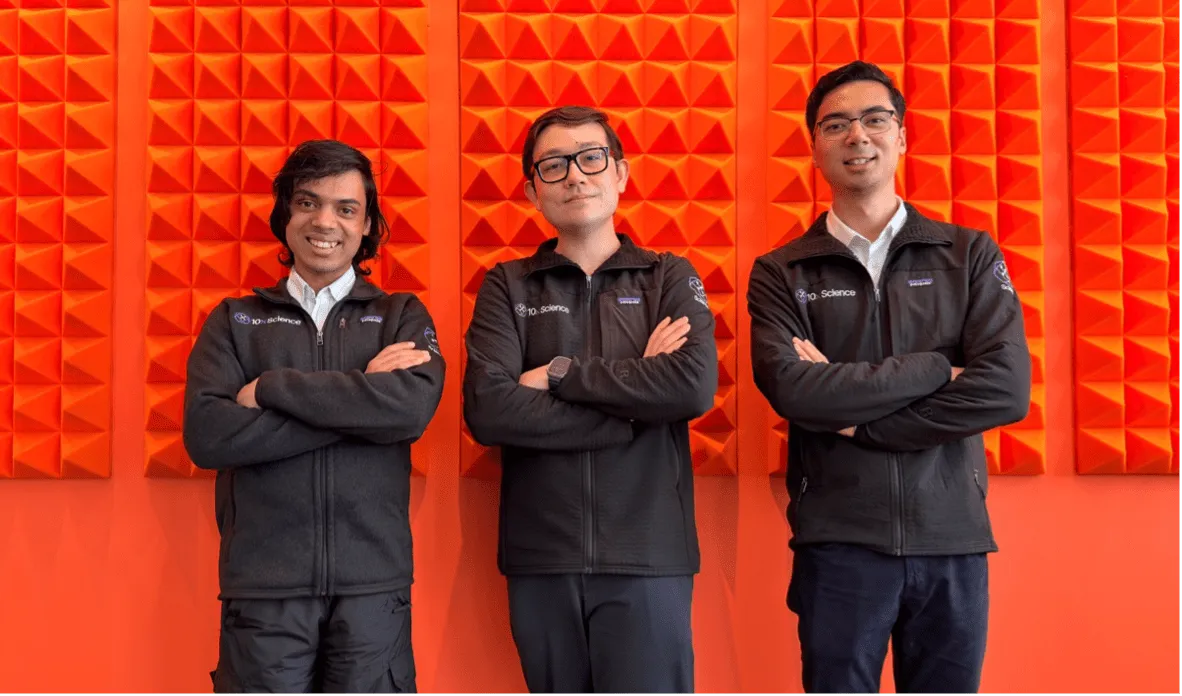
According to reporting from TechCrunch, a startup called 10x Science has just pulled in a $4.8 million seed round to tackle exactly this bottleneck. Their pitch is essentially: AI has supercharged the front end of drug discovery, but the tools researchers use to make sense of complex molecules have not kept pace. Someone has to figure out which of these AI-generated compounds are worth pursuing, and right now that process is a mess.
Think of it like a coffee shop that installed a machine capable of making 10,000 drinks per hour, but still only has one barista trying to taste-test each one. Technically impressive. Practically chaotic.
Why this actually matters
Drug discovery has historically been a numbers game played at a snail's pace. You synthesize a compound, you test it, you cry about the results, you repeat. AI was supposed to speed that up by generating better candidates faster. And it has! Kind of. The generation part is working great. The evaluation part is still stuck in the previous century.
10x Science is betting that helping researchers actually understand the molecular complexity of these AI-generated drugs - not just cataloguing them, but genuinely characterising what makes them tick - is where the real value lies right now. It is less glamorous than "AI invents miracle cure," but arguably more important.
$4.8 million to sort through the chaos
The seed round, while not enormous by pharma standards, signals that investors are starting to pay attention to this middle layer of the drug discovery pipeline. The unsexy infrastructure problem, if you will. Not the robot that generates ideas, not the clinical trial that proves them - but the critical work in between that determines whether we are chasing gold or elaborate nonsense.
If 10x Science can build tools that meaningfully speed up molecular analysis, the downstream effects on actual medicine reaching actual patients could be significant. No pressure or anything.
The AI drug discovery space is still sorting out what it is actually good at. Apparently step one is admitting we have a quality control problem. Step two is funding someone to fix it.