Imagine buying a synthesizer so powerful it sounds like six instruments duct-taped together - and so unreliable that owning one was essentially a part-time job in frustrated repair calls. That was the Memorymoog experience. And yet, musicians adored it.
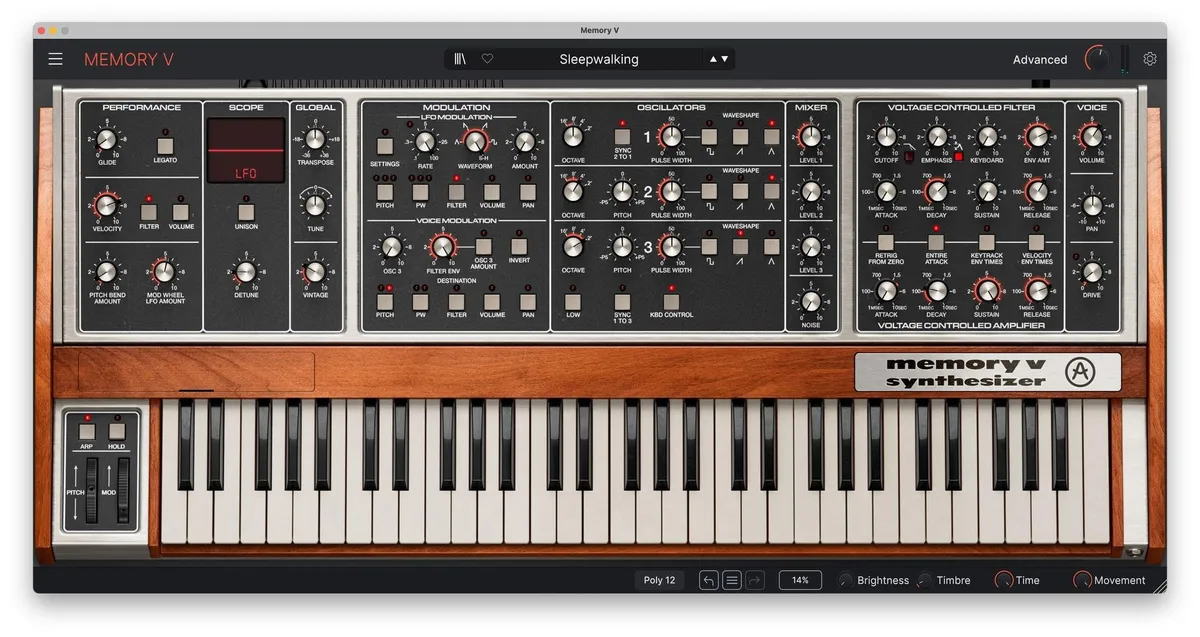
Now Arturia has released the Memory V, a software emulation of the original Memorymoog, and honestly? It might be the most sensible thing to happen to this particular corner of synthesizer history in decades.

Six Minimoogs in a box (that also caught fire)
The original Memorymoog, built between 1982 and 1985, was the last polyphonic synth Moog ever made before the company went bankrupt in 1987. Its reputation was split right down the middle - half "this thing sounds absolutely enormous," half "this thing is a disaster on six legs." Vintage units today command eye-watering prices, and they still break down constantly, because of course they do.
The appeal, though? Undeniable. Calling it "six Minimoogs in a box" is the kind of description that makes synth nerds quietly hyperventilate. The Memorymoog+ was also among the first synthesizers to feature MIDI, which for its era was practically wizardry.
Enter the emulator that doesn't need a repair technician on speed dial
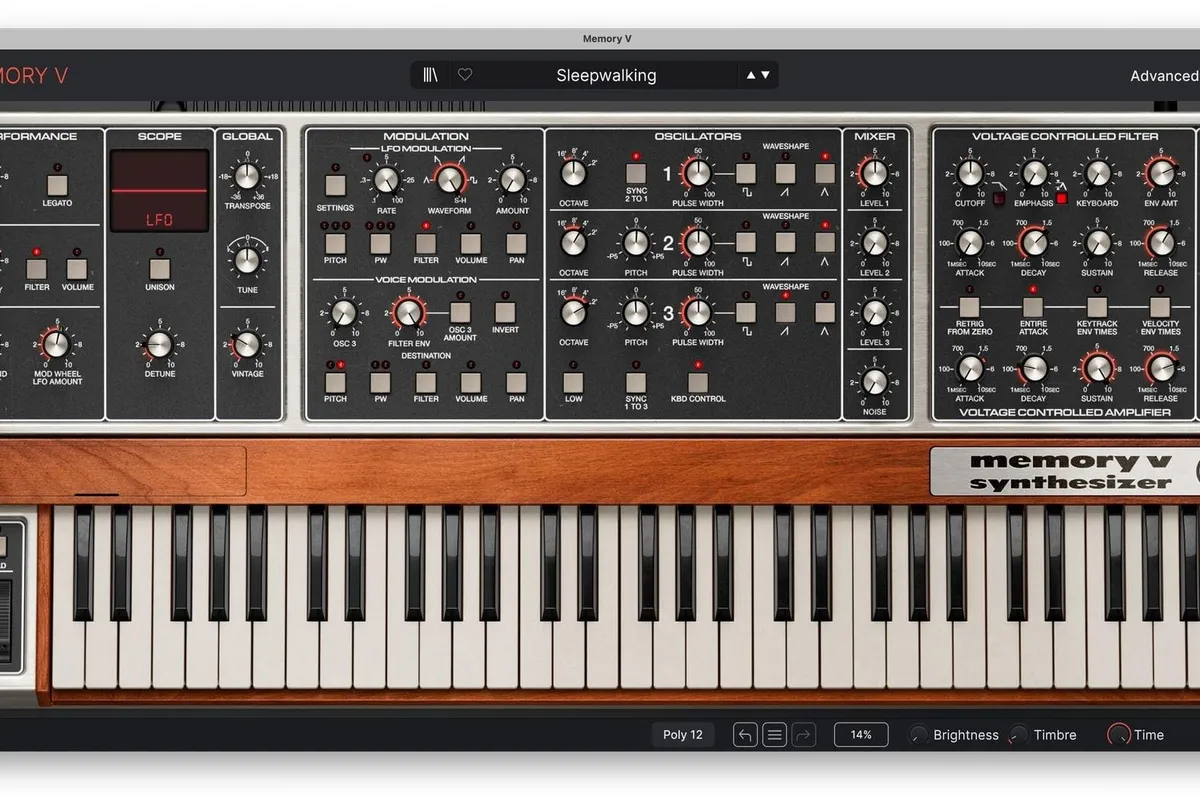
Arturia's Memory V, as reported by The Verge, lets you tap into that classic Moog sound without either selling a kidney for a vintage unit or playing Russian roulette with 40-year-old circuit boards. Software emulation has come a long way, and Arturia has built a solid reputation for this kind of faithful recreation work.
The practical upside here is enormous. You get the sonic character - that fat, warm, absolutely massive Moog polyphony - without the vintage tax or the maintenance anxiety. No weird voltage quirks. No wondering if today is the day it stops working mid-session. Just the sound, reliably, on demand.

Why this actually matters
The Memorymoog's story is kind of a tragedy. It arrived at a moment when Moog was already struggling, it was notoriously difficult to keep running, and it didn't save the company. But its sound survived, passed down through recordings and the obsessive dedication of people who kept nursing broken units back to life.
The Memory V is essentially a preservation project wearing a product launch outfit. It keeps one of the most characterful synthesizer sounds in history accessible to anyone with a laptop and a dream, rather than just collectors wealthy enough to afford the chaos that comes with the original hardware.
That's not selling out the legacy. That's just good sense - something the Memorymoog's original engineers probably wish they'd had a little more of.