Remember two years ago when Microsoft went all-in on Arm chips for its Surface lineup, leaving Intel loyalists to stew for six whole months before they got their version? Well, consider this the revenge arc.
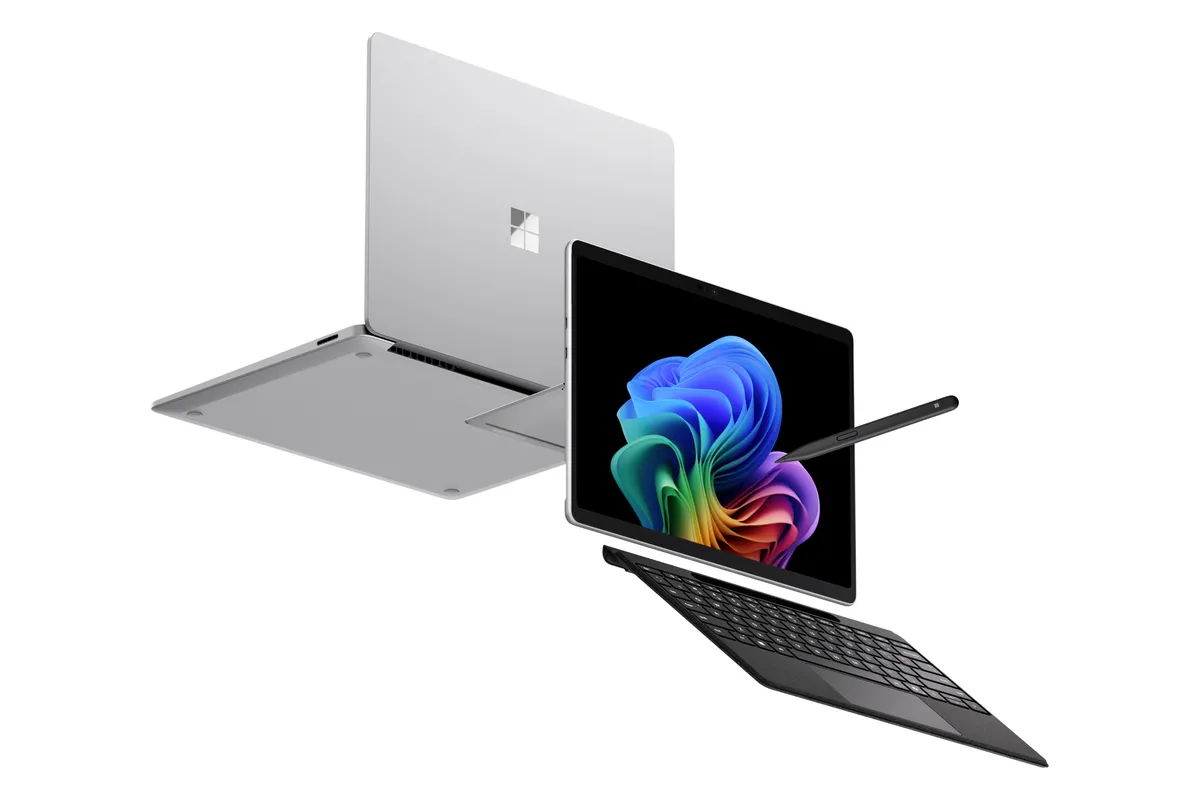
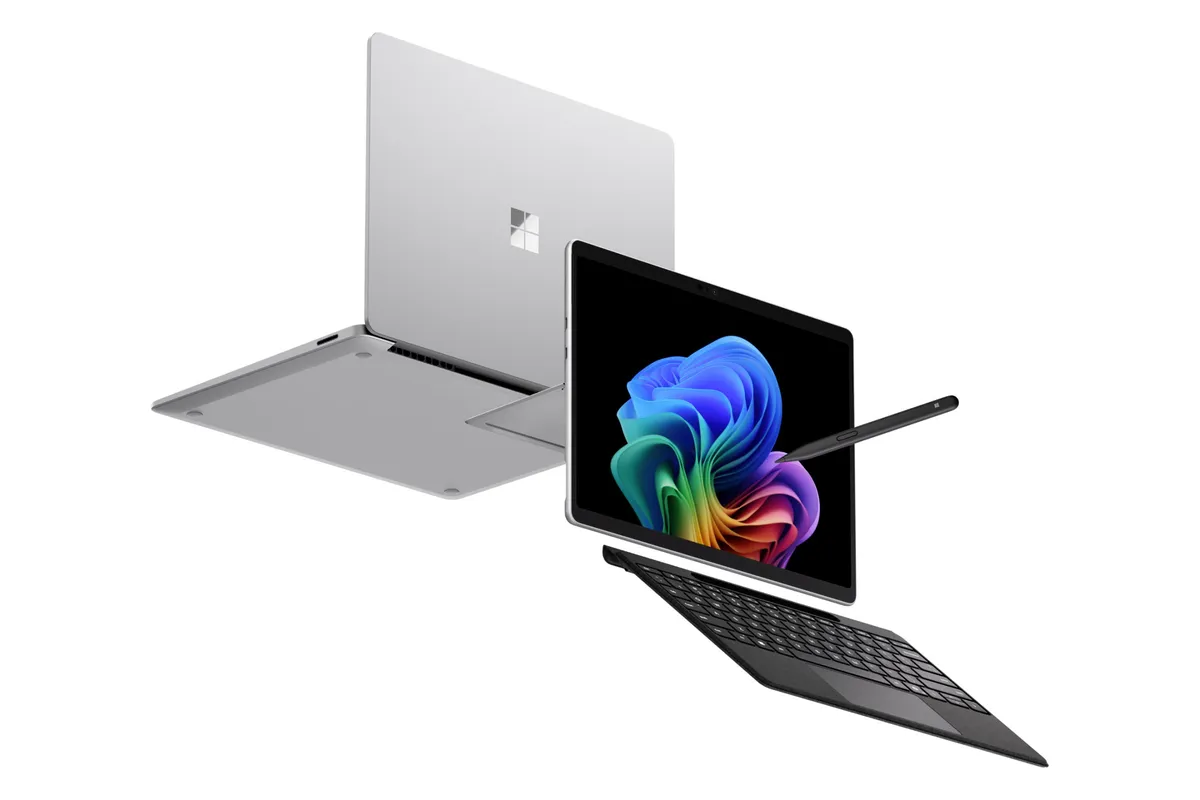
Microsoft has just announced the Surface Pro 12 and Surface Laptop 8, and this time Intel is getting the red carpet treatment first. The new devices are launching with Intel's latest Core Ultra Series 3 processors, with Qualcomm Snapdragon X2-powered variants reportedly coming later this year, according to The Verge.

So why does the chip order even matter?
It matters more than you'd think. The chip powering your laptop isn't just a spec sheet flex - it determines your software compatibility, battery life behavior, and whether your favorite legacy apps will run without throwing a digital tantrum. When Microsoft prioritized Arm last time, a lot of users who needed that classic x86 compatibility had to wait, or just settle.
Flipping the launch order signals something interesting about where Microsoft sees the market right now. Intel's Core Ultra Series 3 is a capable, familiar platform that enterprise buyers and everyday users can trust without having to Google "is this app Arm-compatible" at 11pm.
What about Qualcomm?
Don't panic, Snapdragon stans. The Qualcomm Snapdragon X2 versions are reportedly still on the way for later this year. Microsoft isn't abandoning the Arm dream - it's just letting Intel cut the line this time around. Fair is fair, sort of.
The bigger picture
This feels like Microsoft trying to have it both ways - and honestly, good for them. The Surface lineup has always been the "we'll show the PC industry how it's done" vanity project that somehow became a legitimate product category. By staggering chip options, they get to court the broadest possible audience without betting everything on one architecture.
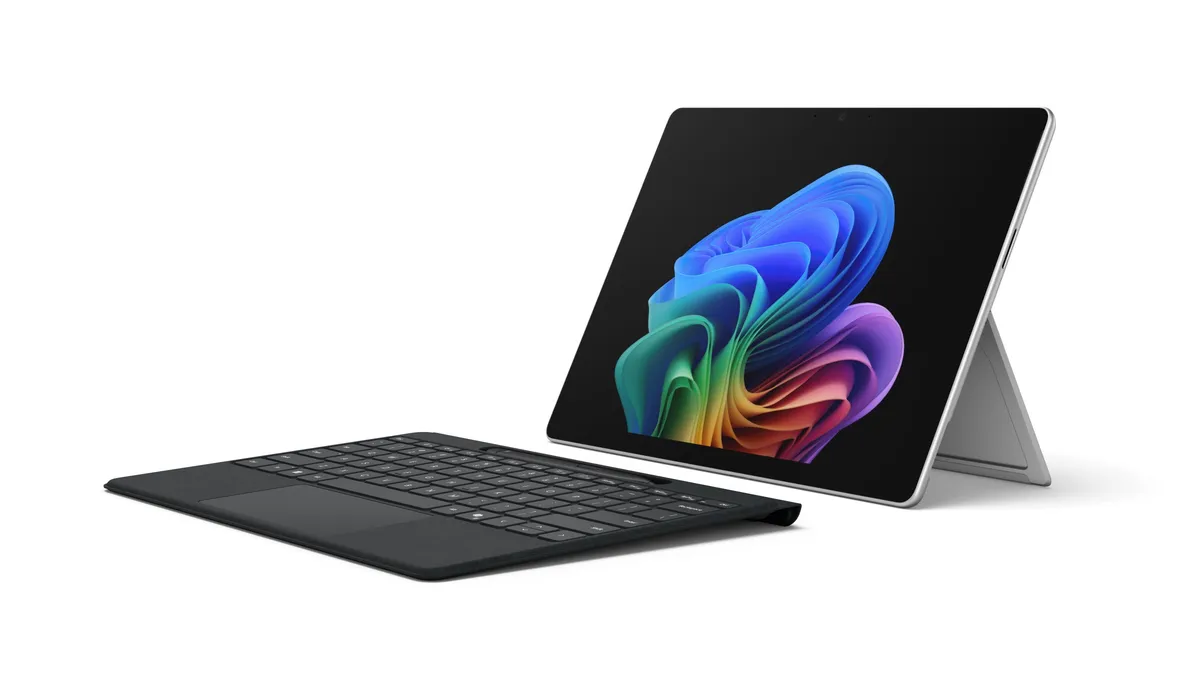
Will the Surface Pro 12 be the tablet-laptop hybrid that finally makes you ditch your aging setup? Maybe. Will the Surface Laptop 8 finally convince MacBook switchers to cross over? Probably not, but Microsoft will keep trying, and we'll keep watching.
Pricing and full specs are still making the rounds, but if the previous generation is any indication, expect "premium" to be the operative word in both categories.