If you work at Meta and you just typed something embarrassing into a work chat, congratulations - you may have just contributed to the future of artificial intelligence. How's that for legacy?
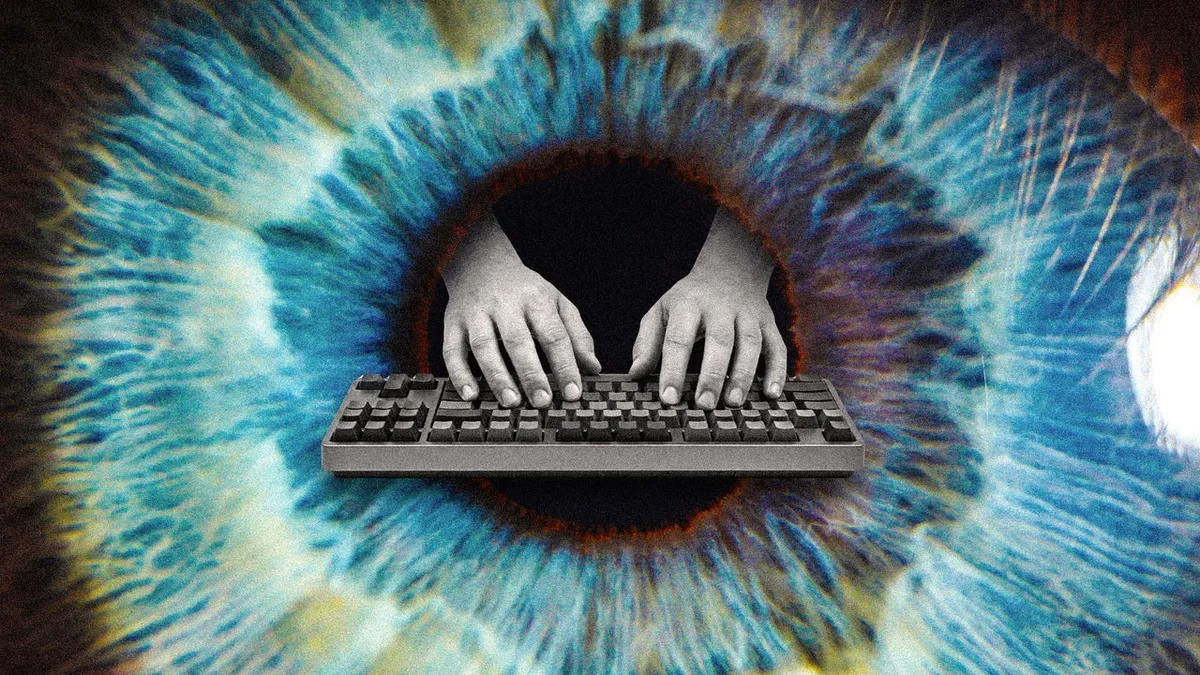
According to a report from Reuters, Meta is rolling out new software on employee computers called the Model Capability Initiative - or MCI, which sounds like a mild cardiac event, which is appropriate given the reaction this news is getting. The software reportedly tracks mouse movements and keystrokes on company machines, with the stated goal of training AI models. Fast Company picked up the story and went straight for the jugular: is this actually legal?
Spoiler: yes. Is it ethical? Lol, no.
Experts quoted in the Fast Company piece were pretty clear that what Meta is doing almost certainly falls within legal boundaries. Employers monitoring activity on company-owned devices is about as legally murky as jaywalking in a ghost town - technically regulated, practically unchallenged. You signed something in that 47-page onboarding document. You just didn't read it.
But legality and ethics are two very different things, and the gap between them is where all the most interesting conversations live. The broader concern here is not just that Meta is watching its employees type - it's why. This is all part of a push to develop autonomous AI agents, the kind that can independently carry out tasks without human supervision. To build those agents, you need enormous amounts of behavioral data. And hey, why pay for synthetic data when your own workforce is right there, furiously drafting passive-aggressive Slack messages?
The part that should actually bother you
There's something deeply weird about a company using its employees as involuntary training data for systems that could, theoretically, one day replace those same employees. It's the corporate equivalent of asking someone to dig their own grave and then complimenting them on their work ethic.
The ethical issue isn't really about privacy in the traditional sense - most people accept some level of monitoring on work devices. The issue is consent, transparency, and the end use of that data. Being told your keystrokes are being logged is one thing. Understanding that they're feeding an autonomous AI agent program with unclear long-term implications for your job? That's a different conversation entirely.
Meta hasn't exactly rushed to the microphone to explain all this in comforting detail, which is doing absolutely nothing to calm anyone down.
Whether this becomes an industry-wide norm or a cautionary tale depends on how loudly employees - and regulators - push back. Until then, maybe think twice before rage-typing that email.