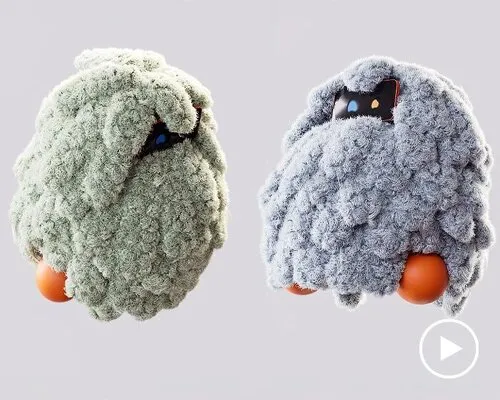
Most conversations about AI and emotion tend to go one way: the technology reads you, analyzes you, and then decides how you feel. POCO, a soft robot companion concept covered by Designboom, wants to flip that dynamic entirely.
Instead of positioning itself as an authority on your inner life, POCO is designed around touch and physical interaction - inviting a more mutual, less transactional relationship between humans and the machines we increasingly share our lives with.
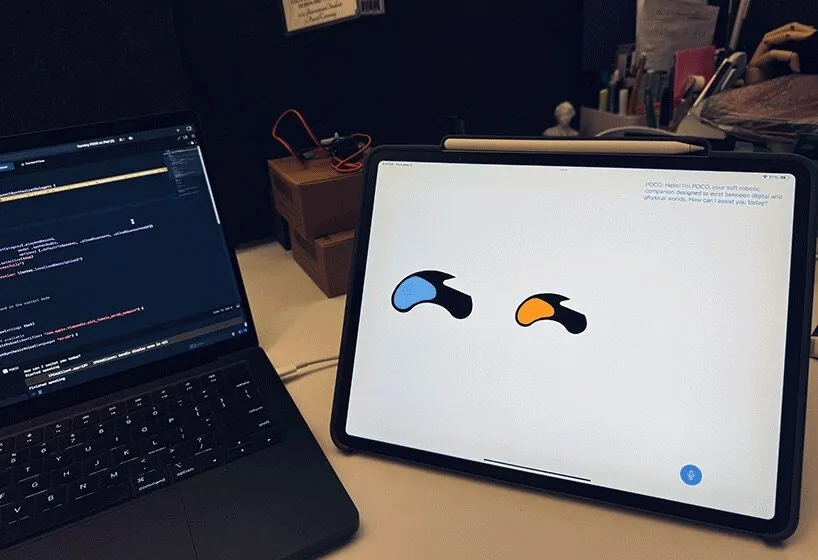
Why touch matters here
There's something quietly radical about centering a robot around physical contact. So much of how we currently interact with technology is screen-based, voice-activated, or mediated through data. Touch is different. It's immediate, personal, and deeply tied to how humans actually form bonds - with each other and, apparently, with soft squishy robots.
POCO leans into that instinct. Its soft form is part of the point. There's no hard shell, no cold metal surface. The design seems to invite you to actually hold it, squeeze it, engage with it in a way that feels less like operating a device and more like... companionship.
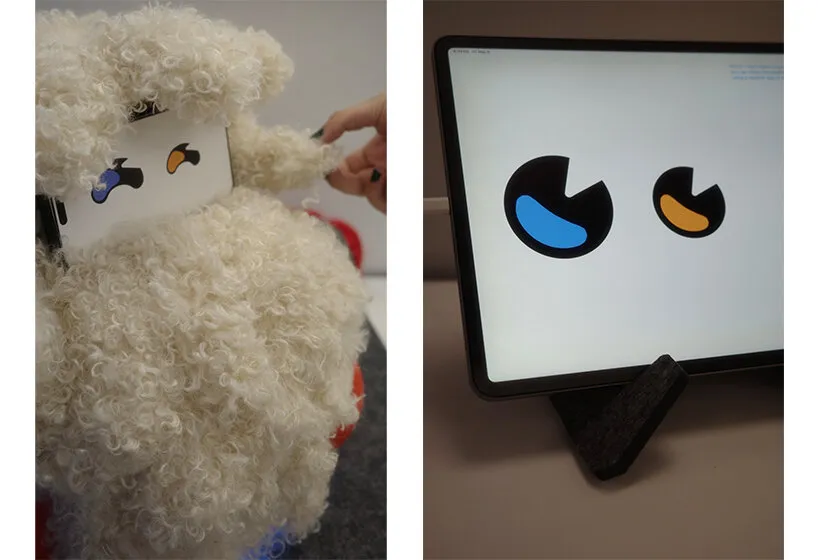
Rethinking who's in charge
The more interesting philosophical question POCO raises is about power. A lot of wellness tech - from mood-tracking apps to AI therapists - operates on the assumption that the technology knows best. It reads your biometrics, your tone of voice, your sleep patterns, and then delivers a verdict on your emotional state.
POCO pushes back on that. The concept challenges whether AI should have authority over human emotion at all - a question worth sitting with, especially as emotionally intelligent tech becomes more embedded in daily life.
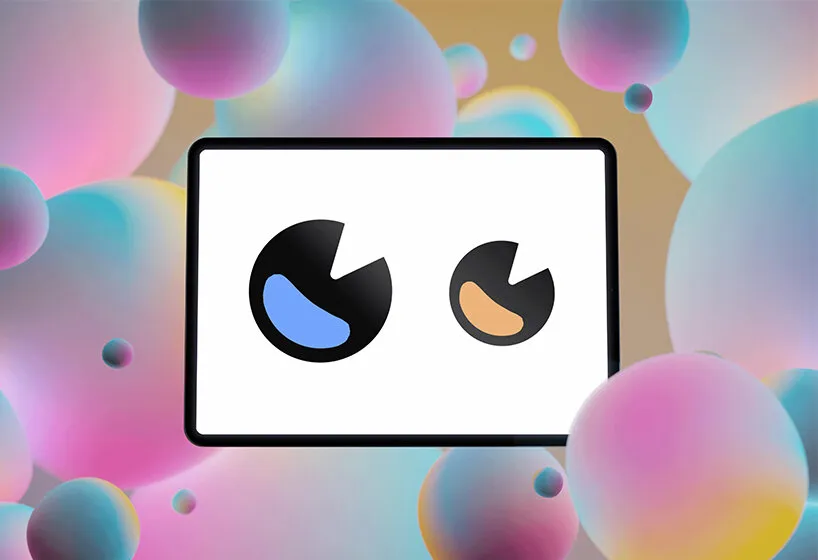
That's a meaningful distinction. There's a big difference between a tool that supports your emotional wellbeing and one that defines it for you.
What this says about where we're headed
POCO is a concept, not a product you can buy right now. But it points toward a genuinely interesting direction for the future of human-AI interaction - one that prioritizes softness, responsiveness, and respect for human autonomy over optimization and data extraction.
As more designers and technologists start asking not just "what can AI do?" but "what kind of relationship do we actually want with it?", expect to see more experiments like this one. The question of how we connect with our machines - and who gets to be in charge of that connection - is only going to get more relevant.
POCO might be small and squishy, but the ideas it represents are anything but.