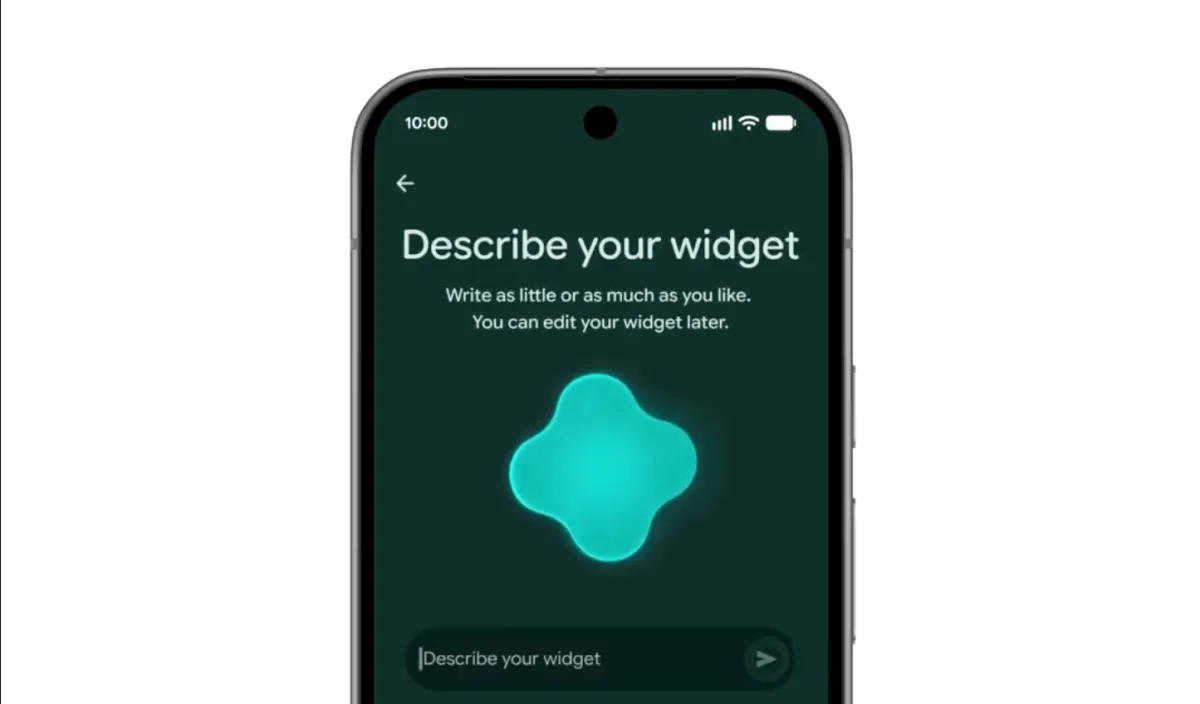
If you've ever looked at your phone's home screen and thought "I wish I could just make exactly what I want" - good news. Google is working on making that a reality, and you won't need to write a single line of code to pull it off.
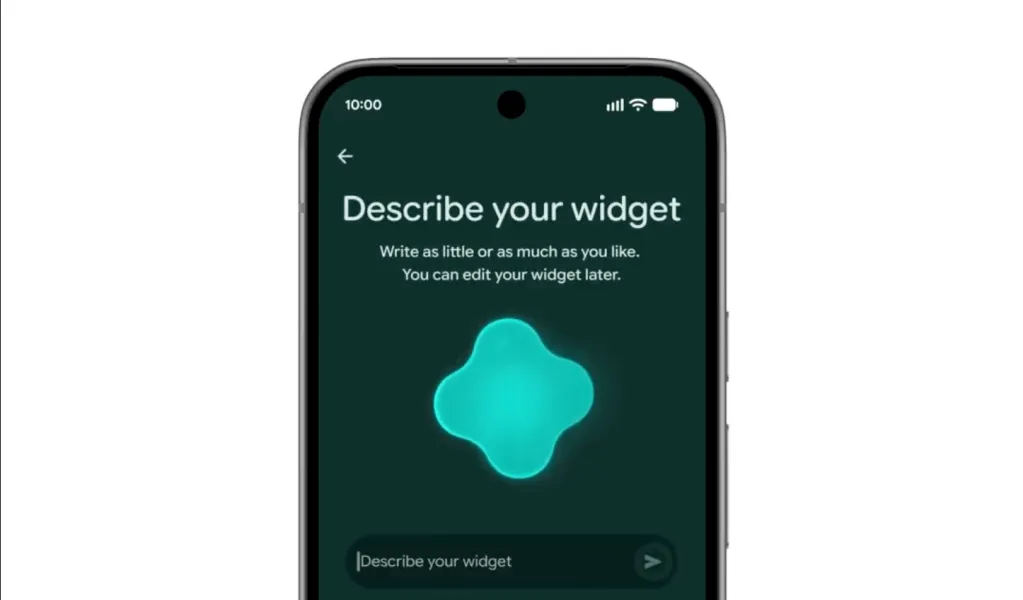
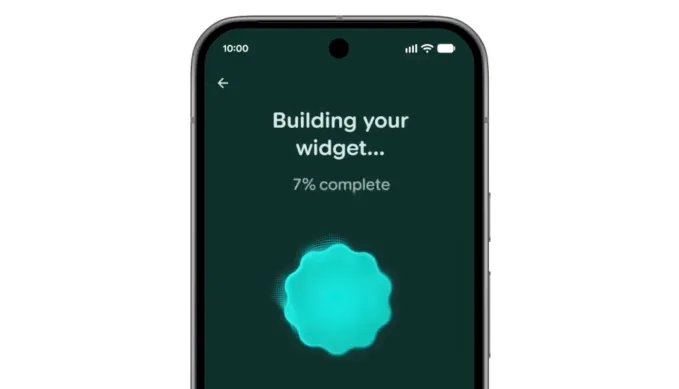
According to TechCrunch, Google is rolling out a feature called "Create My Widget" that lets users generate custom widgets for their Android home screens using natural language prompts. The idea is simple: describe what you want, and the tool builds it for you. It's the same "vibe coding" concept that's been buzzing around developer circles - the practice of describing an outcome in plain language and letting AI handle the technical heavy lifting - but applied to something much more everyday.
Who gets it first
The feature is set to launch this summer, but not for everyone at once. Google is starting with users on the latest Samsung Galaxy and Google Pixel devices, which tracks with how the company tends to roll out experimental Android features - premium hardware first, broader availability later.
If you're rocking one of those phones, you could soon be building a widget that pulls in exactly the information you care about, laid out the way you actually want it, rather than settling for whatever a third-party app decided to offer.
Why this is actually a big deal
Widgets have always been one of Android's selling points over iOS - the freedom to put live, glanceable information right on your home screen. But in practice, you've always been limited to whatever developers chose to build. Want a widget that combines your local weather, your next calendar event, and your daily step count in one clean card? You'd have to hope someone made it, or just use three separate widgets and accept the clutter.
"Create My Widget" flips that dynamic. It hands the design decision back to the person who actually uses the phone, which is a more meaningful kind of personalization than just swapping wallpapers or icon packs.
It also signals something broader about where consumer tech is heading. The gap between "user" and "creator" is getting smaller. Tools that let everyday people build functional, useful things without technical expertise are becoming more capable and more accessible - and your home screen is a pretty low-stakes, high-reward place to start experimenting with that.
No word yet on exactly how complex these widgets can get, or whether there will be limitations on what you can build. But as a starting point, the idea of describing your perfect home screen widget and actually getting it? That's the kind of small, practical upgrade that can genuinely change how you interact with your phone every day.