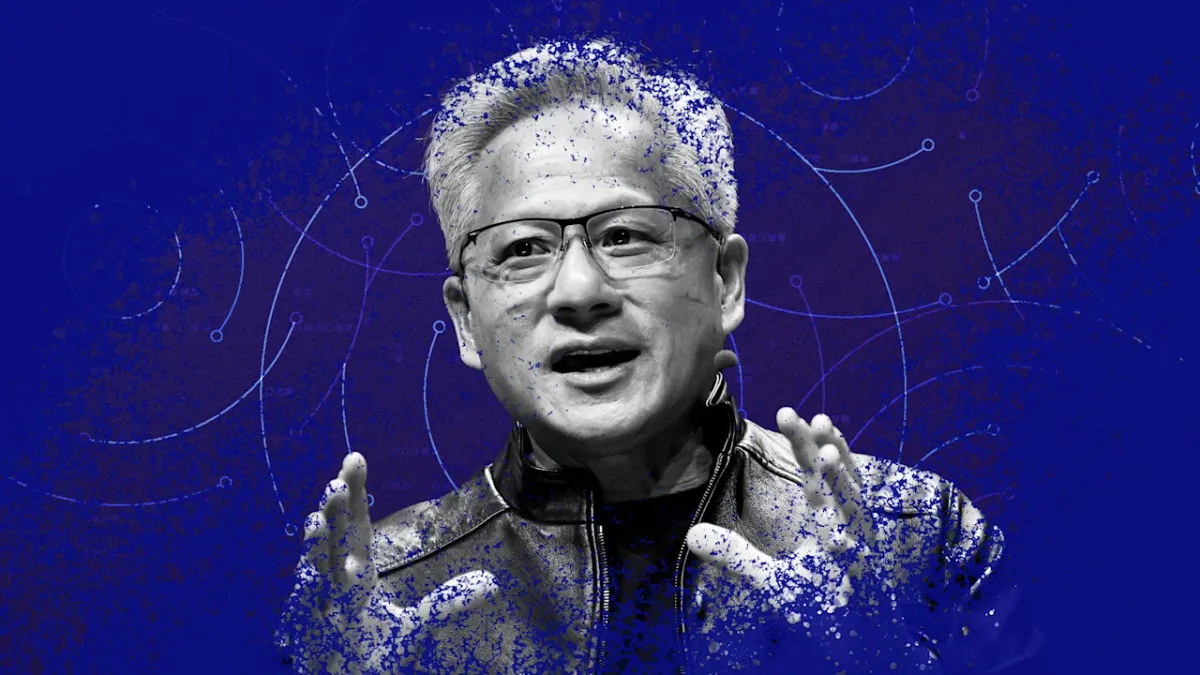
If you've spent any time doom-scrolling about AI and your career, Jensen Huang has a reframe for you. The Nvidia CEO recently appeared on a panel at Stanford Graduate School of Business alongside California Congressman Ro Khanna, and his take on the whole "AI is coming for your job" narrative is worth sitting with.
His argument, in short: the real threat isn't the technology itself. It's the person sitting next to you who actually knows how to use it.
A different kind of job threat
"Most people will lose their job to somebody who uses AI, not to AI itself," Huang said at the Stanford event, according to Fast Company. It's a subtle but genuinely important distinction. The fear that some faceless algorithm will simply replace human workers wholesale misses a more nuanced - and arguably more actionable - reality. The people who learn to work alongside these tools are the ones who will come out ahead.
Huang pushed back hard on the doom-and-gloom framing that has taken hold across so many industries. "The narratives of AI destroying jobs is not going to help America," he said, signaling that he sees the panic itself as a problem worth addressing.
Why this framing actually matters
There's something refreshing about a tech CEO not just cheerleading for his own product, but making an argument grounded in how adoption actually works. History tends to back this up - new technology rarely eliminates work entirely. It shifts it, reshapes it, and rewards those who adapt early.
That doesn't mean the transition is painless or that concerns about displacement aren't real. But there's a meaningful difference between "AI will make your role obsolete" and "AI will change what skills your role requires." One leads to paralysis, the other to preparation.
The bigger conversation
The Stanford panel covered a wide range of AI-adjacent topics, from innovation and competition to adoption hurdles and public skepticism - all very much live debates right now. What stands out from Huang's comments is the emphasis on agency. The story he's telling isn't one of helpless workers being outpaced by machines. It's one where the outcome depends heavily on what people actually choose to do with the tools in front of them.
Whether you're in a creative field, a technical one, or somewhere in between, the message is pretty consistent: waiting to see how it all plays out is probably the riskiest move of all.