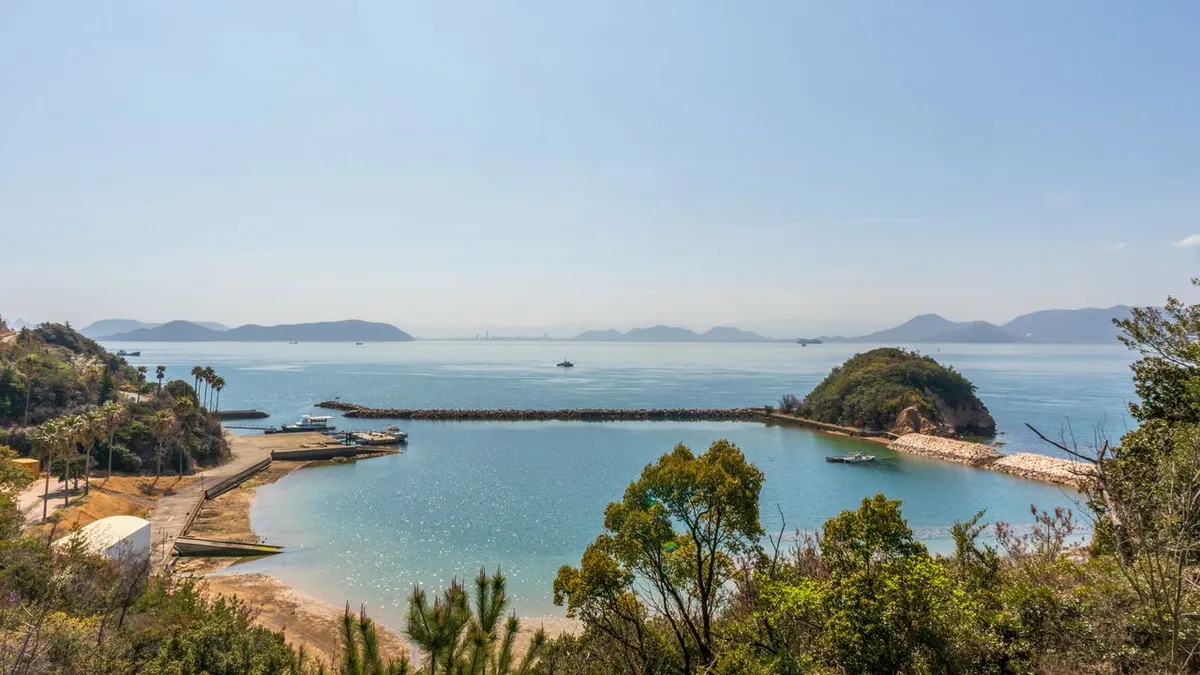
Most people who've done any digging into Japan's art scene have heard of Naoshima. The small island in the Seto Inland Sea has built a serious reputation as one of the world's more unusual cultural destinations - a place where cutting-edge museums and site-specific installations sit alongside traditional fishing villages in ways that somehow feel completely natural.
But as writer Lale Arikoglu explores for Condé Nast Traveler, treating Naoshima as the whole story means missing what makes the broader Setouchi region so compelling. The island is less a destination in itself and more of an entry point into an archipelago where art, history, and landscape have become deeply intertwined.
More than one island's story
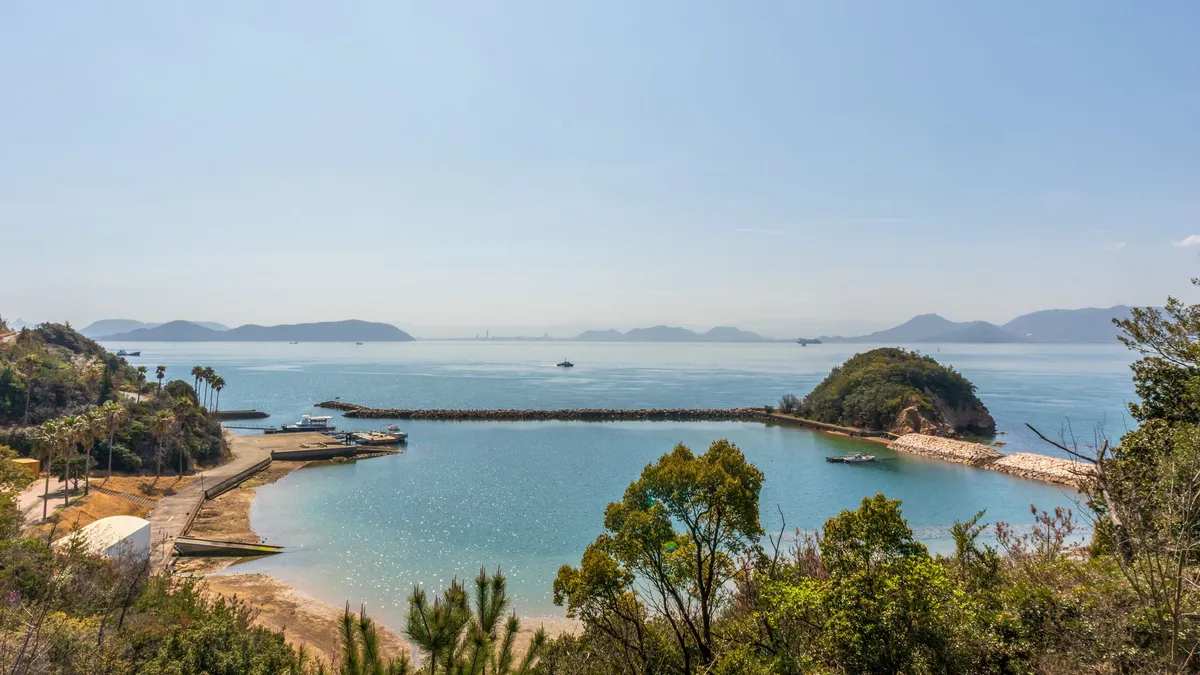
The Setouchi region stretches across the inland sea between Honshu and Shikoku, dotted with islands that each carry their own character. What connects them isn't just geography - it's a shared effort to use contemporary art as a way of telling the region's story and drawing visitors to places that industrialization and rural depopulation had largely left behind.
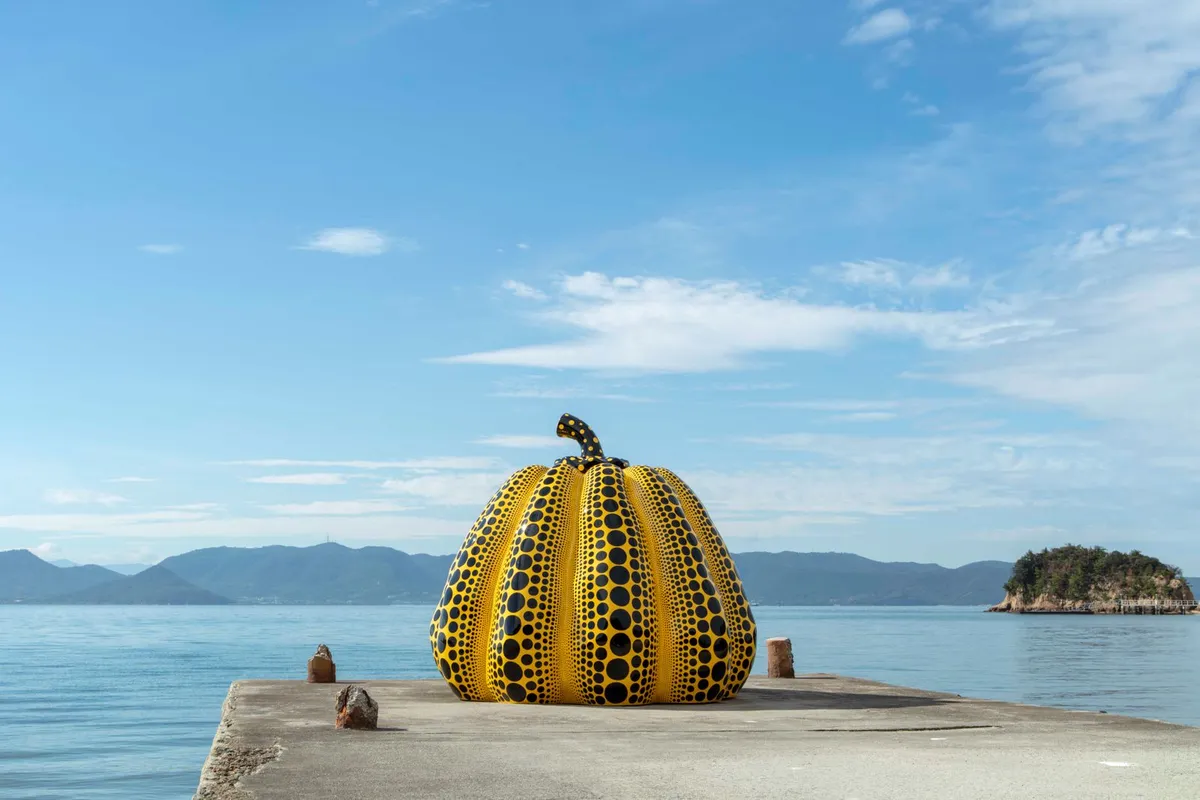
That mission has found its most ambitious expression in the Setouchi Triennale, a large-scale arts festival that brings artists from around the world to the islands every three years. The works aren't confined to gallery walls. They're embedded in old buildings, coastal paths, and community spaces - making the landscape itself part of the experience.
Why it matters beyond the aesthetics
There's something genuinely refreshing about a region that's figured out how to make art feel urgent rather than decorative. The installations across these islands aren't just pretty additions to a travel itinerary. They reflect real questions about what happens to communities when economic tides shift, and what it looks like when culture steps in to fill the gaps.
For travelers in their 20s and 30s who are increasingly drawn to destinations with depth and intention - places that offer something to think about alongside the visual rewards - the Setouchi islands deliver on both fronts.
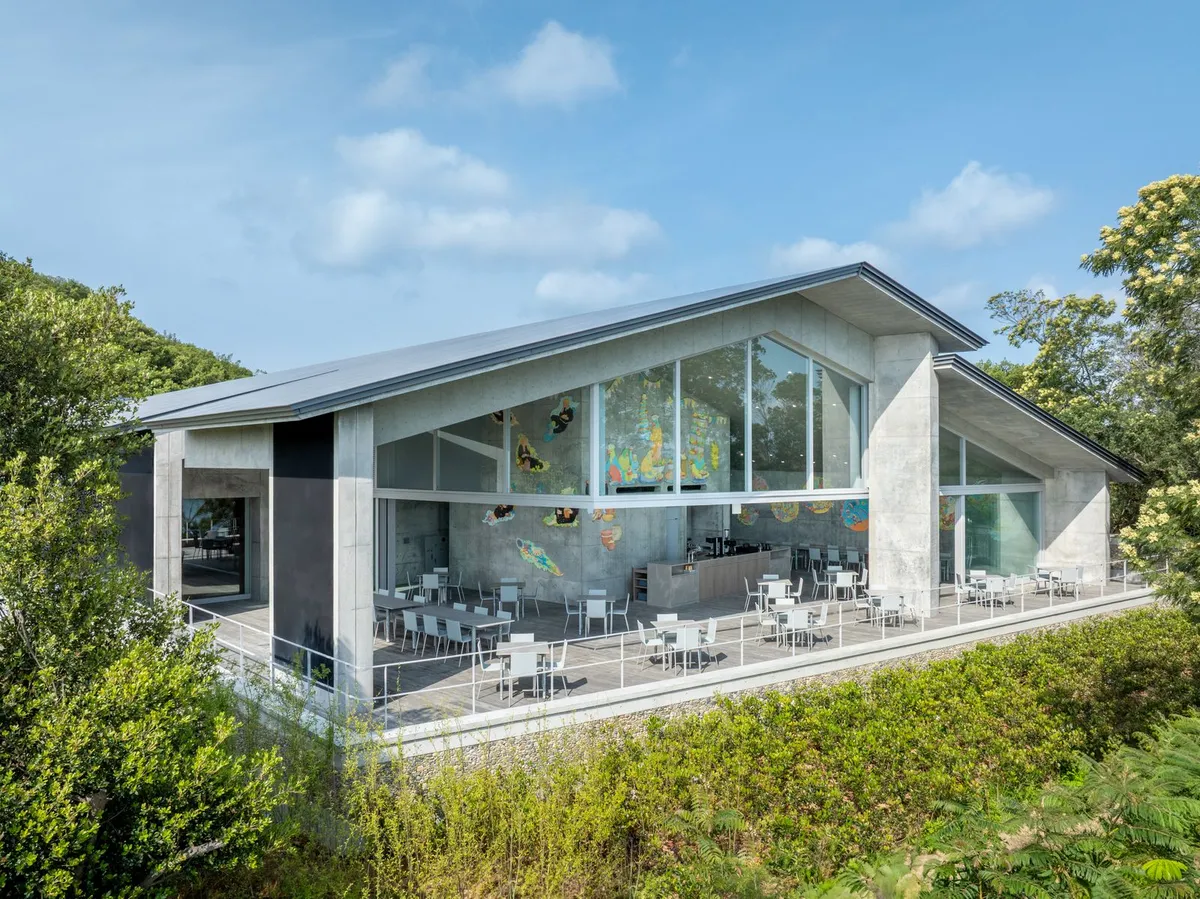
And practically speaking, the region is far less crowded than Tokyo or Kyoto, which means you can actually spend time with the work rather than navigating around other people trying to photograph it.
If Japan is already on your radar, the Setouchi islands are worth building an itinerary around - not just stopping at Naoshima and calling it done, but taking the ferries between islands and letting the region unfold at its own quiet pace.