Ah, summer. The barbecues, the hiking trails, the golden hour vibes - and of course, the tiny eight-legged nightmare hitching a ride on your ankle like it paid for a ticket. Ticks are the uninvited plus-ones of outdoor season, and how you remove them actually matters a lot more than most people realize.
According to a guide from Lifehacker, the classic folk remedies most of us grew up with - burning the tick off with a hot match, smothering it in Vaseline, or dousing it in nail polish - are not just useless, they're actively bad. Grossing the tick out with heat or suffocation causes it to regurgitate into your skin, which is exactly as horrifying as it sounds and significantly raises your risk of infection. Congrats, you just made things worse.
So what should you actually do?
The short answer: use a proper tool, and do not squeeze the body. The whole goal is to grab the tick as close to the skin as possible - by the head, not the abdomen - and pull it out slowly and steadily. No twisting, no jerking, no panic.
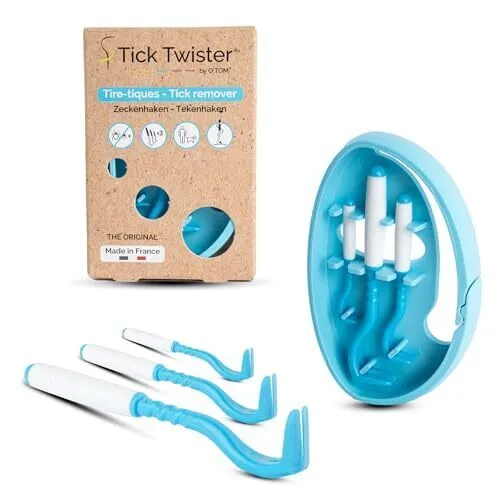
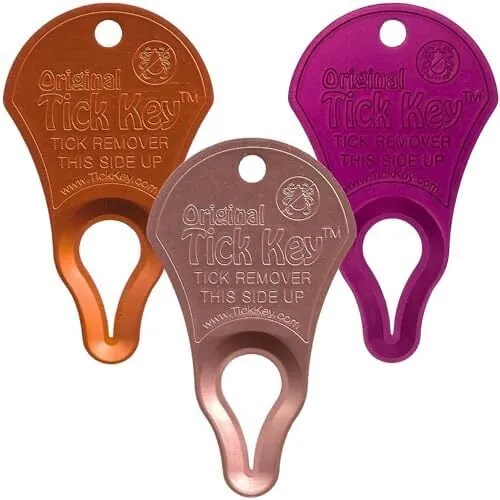
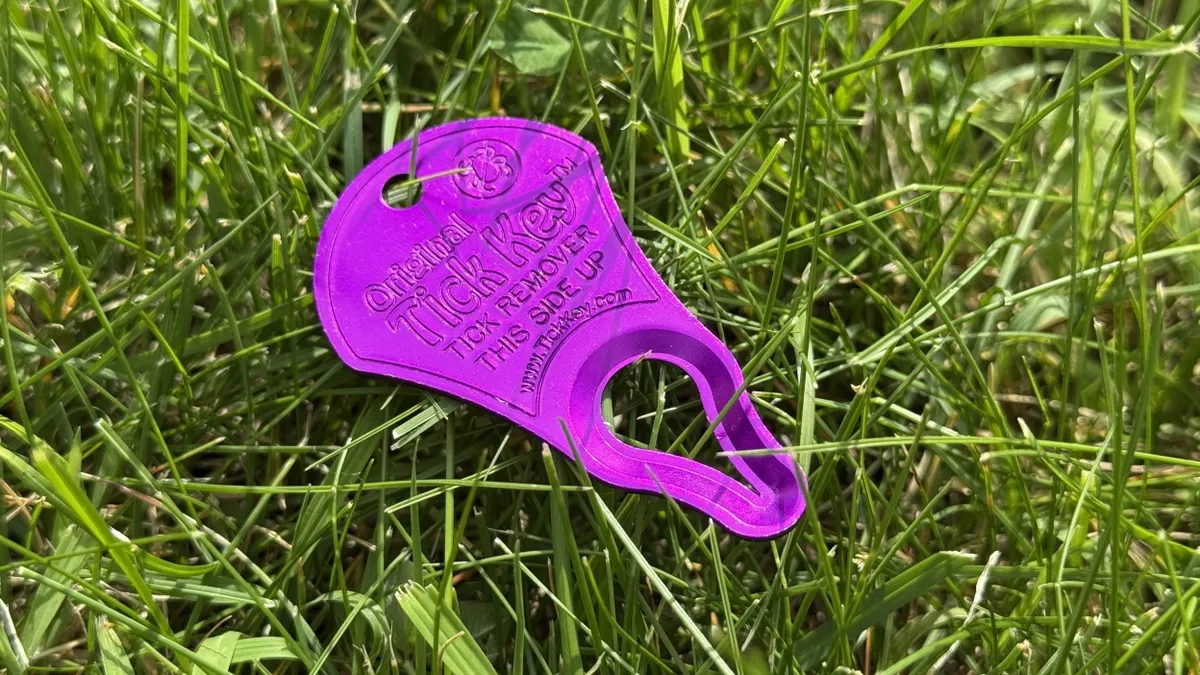
The good news is you don't need to have a full wilderness survival kit on hand. A pair of fine-tipped tweezers works well if you use them correctly. There are also dedicated tick removal tools - little hook-shaped or lasso-style gadgets - that are genuinely worth throwing in a hiking bag or first aid kit. They make it easier to get proper leverage without accidentally squeezing tick juice into your bloodstream. Fun sentence to type. Worse to experience.
The "without touching it" part is real
If you've ever just grabbed a tick with your bare fingers and pinched it off, please know that you were one bad squeeze away from a very avoidable problem. Ticks can transmit pathogens through contact with their fluids, so bare-handed removal is genuinely not recommended. Gloves, a tissue, or ideally one of those purpose-built tools are the move here.
After removal, clean the bite area with rubbing alcohol or soap and water, and - critically - don't just throw the tick away. Keep it in a sealed bag or container in case you need to identify it later. Some species carry Lyme disease and other tick-borne illnesses, and knowing what bit you can actually help your doctor if symptoms show up in the following weeks.
The bottom line
Ticks are small, sneaky, and genuinely risky. But removing them doesn't have to be a dramatic ordeal involving fire and folklore. Grab the right tool, stay calm, pull slow, and for the love of all things outdoorsy - skip the match.