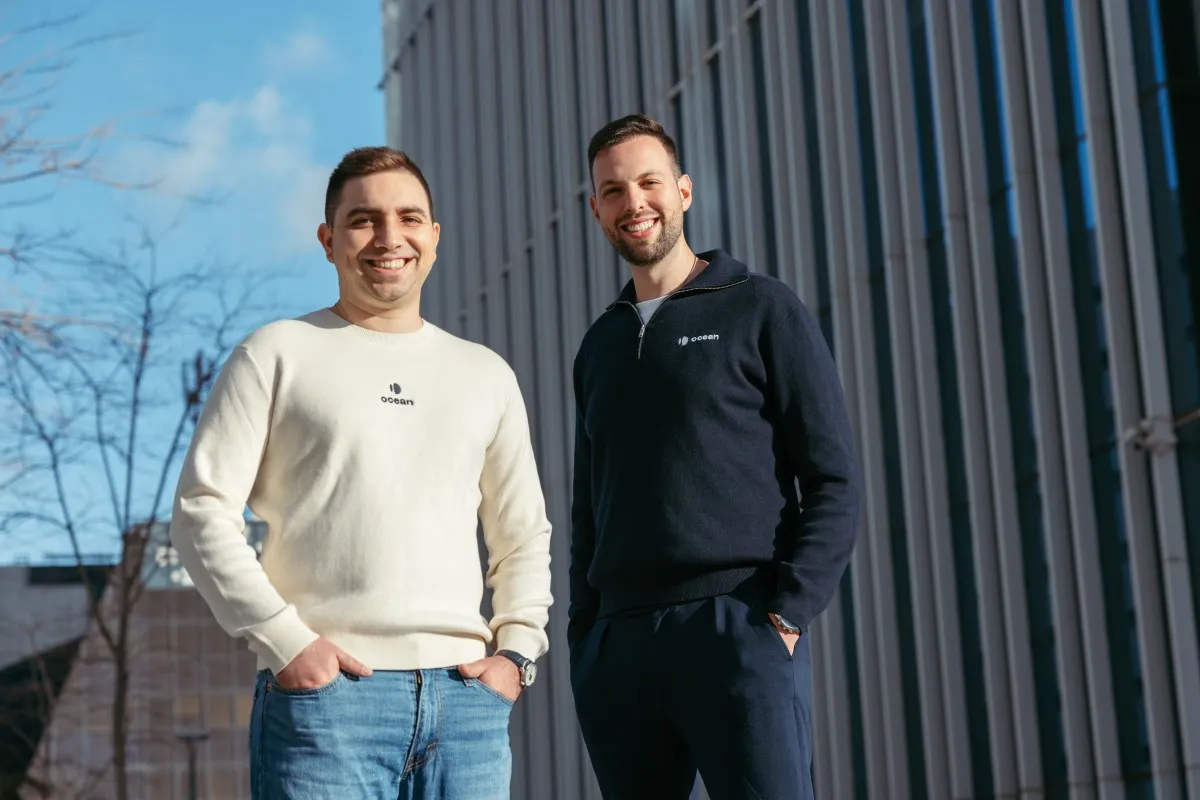
If your instinct is to assume the person building your email security software is a standard Silicon Valley tech bro, think again. The founder behind Ocean - a new agentic email security platform - has a backstory that reads more like a thriller novel than a startup pitch deck.
From hacking to the Iron Dome
Before raising serious venture capital, Ocean's founder cut their teeth as a teen hacker and later went on to conduct research connected to Israel's Iron Dome missile defense system. That's not a career path you see every day, and it's exactly the kind of unconventional expertise that tends to produce genuinely different thinking about hard problems.
Now that experience is being channeled into one of the most pressing cybersecurity challenges of our moment: AI-powered phishing attacks. As generative AI makes it trivially easy for bad actors to craft convincing, personalized scam emails at massive scale, the old rule of "just look for typos" no longer cuts it.
Why phishing is getting so much harder to spot
Phishing has always been the low-hanging fruit of cybercrime - relatively cheap to execute, surprisingly effective, and incredibly hard to fully eliminate. But the arrival of sophisticated AI tools has supercharged the threat. Scam emails today can be grammatically flawless, deeply personalized, and nearly indistinguishable from legitimate communication. For individuals and companies alike, the stakes have never been higher.
Ocean's approach is agentic, meaning the platform doesn't just passively filter emails using static rules. It actively analyzes behavior and context in a more dynamic, responsive way - essentially fighting AI with AI.
Lightspeed backs the vision
The company just closed a $28 million funding round led by Lightspeed Venture Partners, according to reporting by TechCrunch. That's a meaningful vote of confidence from one of the more respected names in venture capital, and a signal that investors see real urgency in this space.
It also reflects a broader shift in how the security industry is thinking about threats. Reactive, rules-based systems built for yesterday's attacks aren't going to be enough. The next generation of security tools needs to be as adaptive and intelligent as the threats they're designed to stop.
Why this matters beyond the tech world
You don't have to work in cybersecurity to care about this. Phishing attacks hit individuals just as hard as corporations - and often harder, since most of us don't have an IT department watching our back. Tools like Ocean are a reminder that the best defenses against AI-driven threats are probably going to come from people who deeply understand both sides of the equation.
A former teen hacker with missile defense research on their resume? Honestly, that might be exactly who you want in your corner.