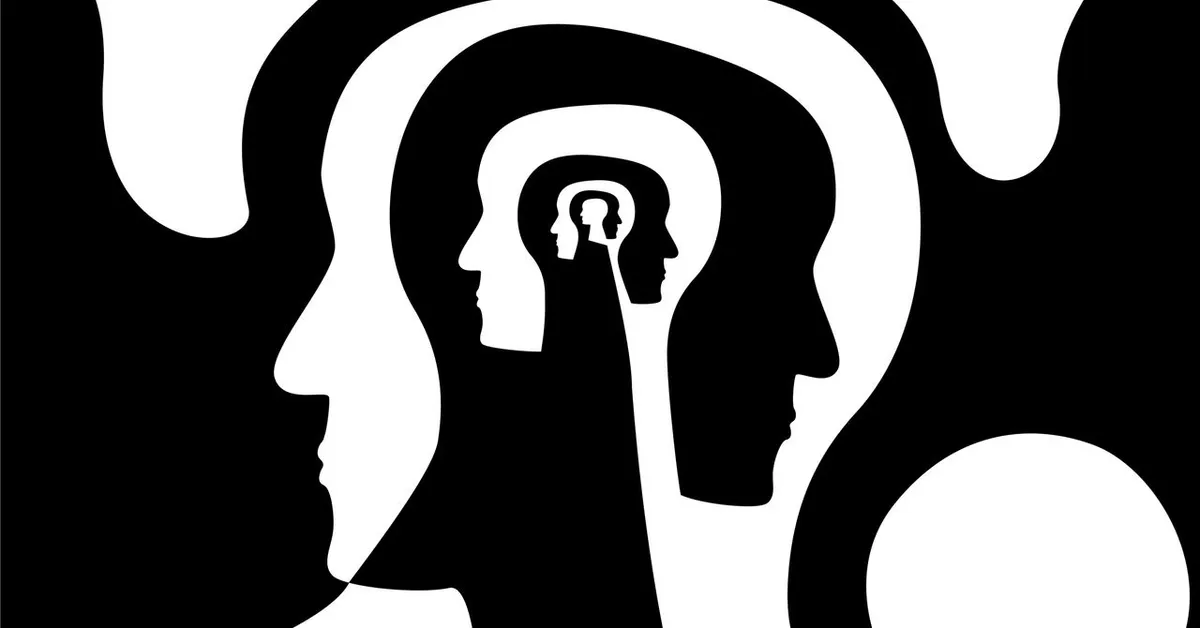
If your brain were a browser tab, OCD would be the one that just keeps refreshing. Forever. At 3am. For no reason. Doctors have actually nicknamed it "the doubting disorder," which is both clinically accurate and deeply, personally offensive to anyone who has it.
Now, a new book is asking a wild question: what if the treatment for a brain that can't stop demanding certainty... is a substance famous for dissolving your grip on reality entirely?

Enter the mushrooms
Simone Stolzoff's new book How to Not Know, excerpted recently in Wired, digs into the emerging and genuinely strange world of psilocybin as a potential treatment for OCD. Yes, magic mushrooms. Yes, for the condition that makes people check the stove seventeen times before leaving the house.
The logic, counterintuitive as it sounds, actually tracks once you think about it for more than thirty seconds. OCD is fundamentally a disorder of intolerance - an inability to sit with not-knowing, with ambiguity, with the terrifying possibility that something might be wrong. Psilocybin, meanwhile, is a substance that basically force-feeds your brain a crash course in letting go of control. It's like treating a fear of water by throwing someone into the ocean, except apparently - sometimes - it works.
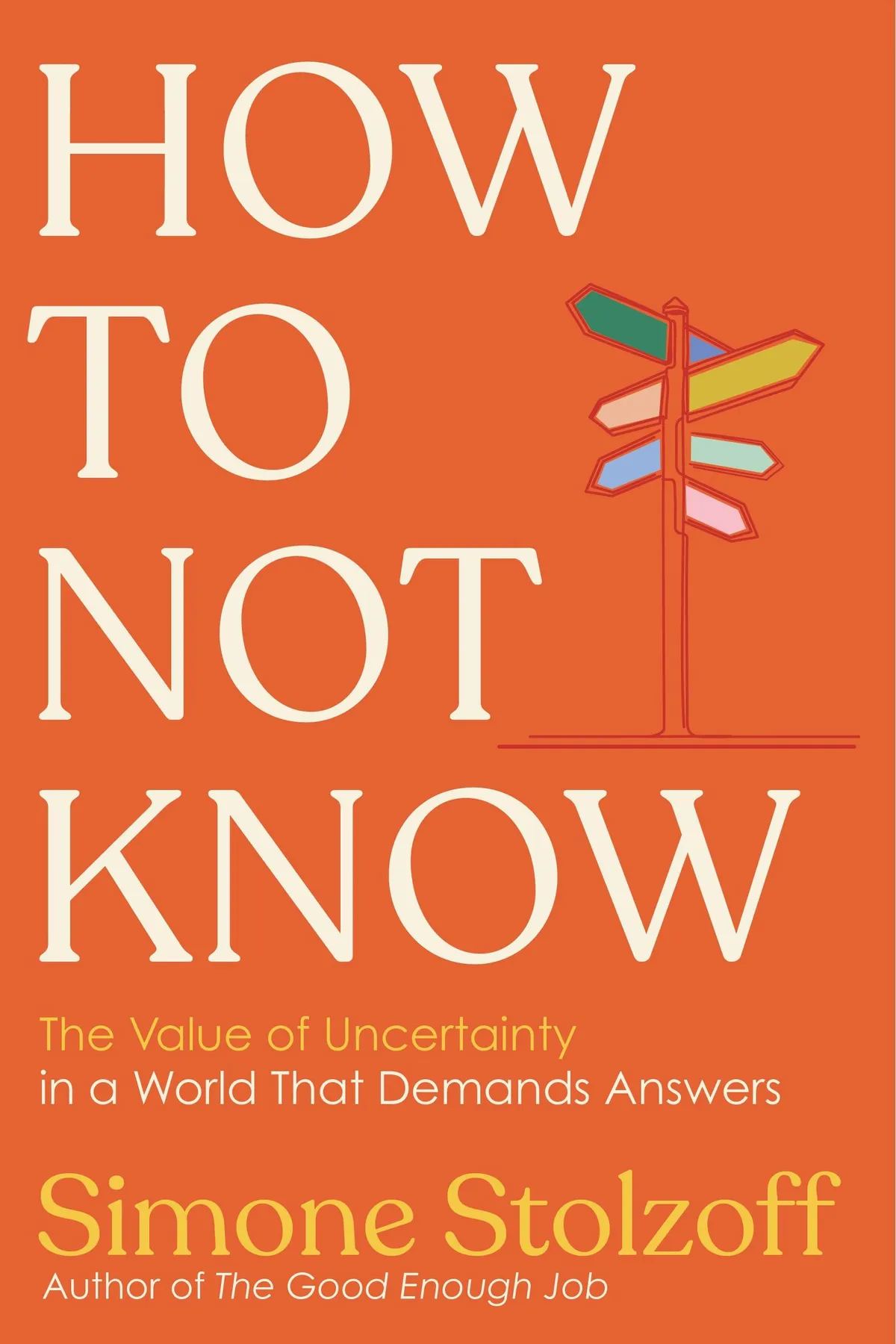
Why this isn't just a "drugs fix everything" story
To be clear, nobody is suggesting you eat a handful of mushrooms and wake up cured. The research here is early, the mechanisms aren't fully understood, and OCD is notoriously one of the hardest mental health conditions to treat effectively. Standard approaches like cognitive behavioral therapy and SSRIs help a lot of people, but a significant chunk of patients don't get adequate relief - which is exactly why researchers are looking at more unconventional options.
What makes Stolzoff's framing interesting is the philosophical angle. This isn't purely a pharmacology story. It's a story about what it means to learn to live with uncertainty - something most humans are terrible at, OCD diagnosis or not. The mushrooms just happen to be the plot device that gets us there.

The bigger picture
Psilocybin research has been having a genuine moment across mental health - from depression to PTSD to end-of-life anxiety. OCD is a newer frontier, and How to Not Know sounds like it approaches the subject with the kind of nuance the topic deserves, rather than breathless techno-optimism or moral panic.
Whether or not psychedelics end up being a real solution for OCD, the underlying question the book raises is one worth sitting with: can you actually train a brain to be okay with not knowing? And if so, what does that even feel like?
Probably terrifying. Probably also kind of freeing. Which, honestly, sounds a lot like most things worth doing.