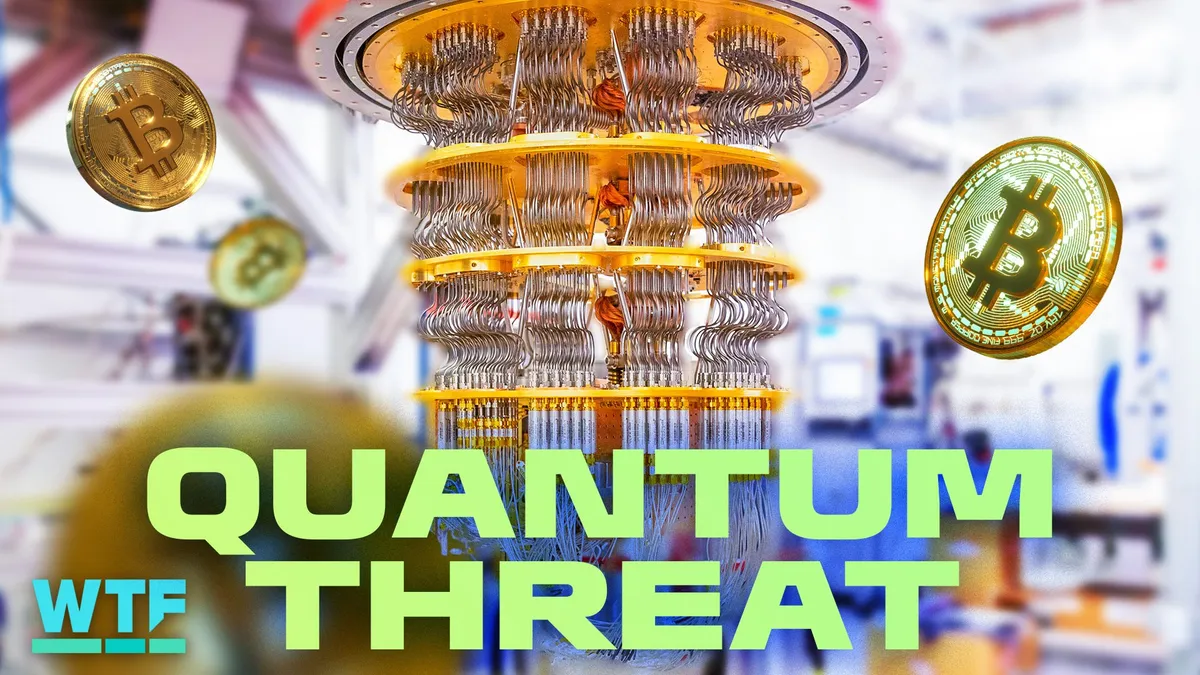
Quantum computing has long lived in the realm of theoretical future problems - something scientists worry about but that feels comfortably far away. Google is now pushing that conversation into the present tense, with fresh warnings that quantum technology could pose a serious threat to the encryption underpinning cryptocurrency.
So what's the actual threat?
The encryption systems protecting crypto wallets and transactions were built around a simple premise: that certain mathematical problems are so complex, no computer could crack them in any useful timeframe. Classical computers play by those rules. Quantum computers, however, operate on entirely different physics - processing information in ways that could make today's toughest encryption look like a combination lock.
According to reporting by Mashable, Google's warning centers on the idea that sufficiently powerful quantum machines could eventually break the cryptographic foundations that keep digital assets secure. That's not just a headache for Bitcoin holders - it touches on the broader infrastructure of digital trust.
Why now, and why does it matter?
Quantum computing is no longer purely experimental. Progress has been accelerating, and Google has been at the forefront of that push. When a company that's actively building this technology starts flagging its own potential for disruption, it's worth paying attention.
For everyday crypto users, the concern isn't that someone is going to drain your wallet tomorrow. The more immediate issue is preparedness - whether the crypto industry is moving fast enough to develop quantum-resistant encryption before the hardware catches up.
Some experts in the field have been pushing for so-called post-quantum cryptography for years, and standards bodies like NIST have been working on exactly this. But adoption across existing blockchain networks is a slow and complicated process.
Should you be worried?
Not panicked - but informed. If you hold significant digital assets, it's worth keeping an eye on how major blockchain networks are responding to this challenge. Ethereum and Bitcoin developers are well aware of the quantum threat and have it on their long-term roadmaps, though concrete timelines vary widely.
The bigger picture here is that our digital security infrastructure - not just crypto, but banking, communications, and government systems - was built for a pre-quantum world. Google's warning is a signal that the window for orderly, proactive adaptation may be shorter than we'd like to think.
It's the kind of slow-moving story that tends to get ignored until it suddenly isn't. Consider this your early heads-up.