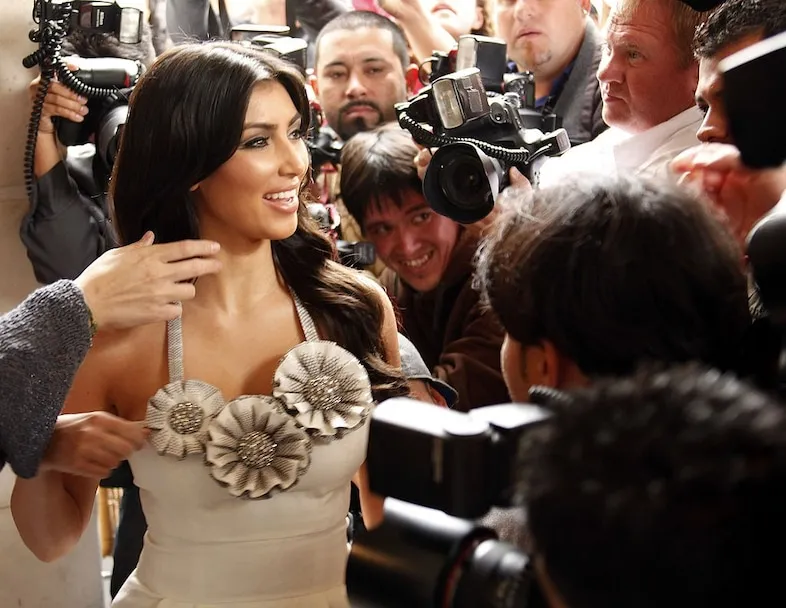
Remember when literally everyone wanted to be famous? Like, desperately, achingly, embarrassingly famous? The 2000s were basically one long audition tape - Big Brother, The X Factor, Britain's Got Talent - a conveyor belt of ordinary people throwing themselves at the spotlight like moths at a very televised flame.
Well, according to a piece over at Dazed Digital, that era might be officially over. And honestly? Good riddance.
The dream that ate itself
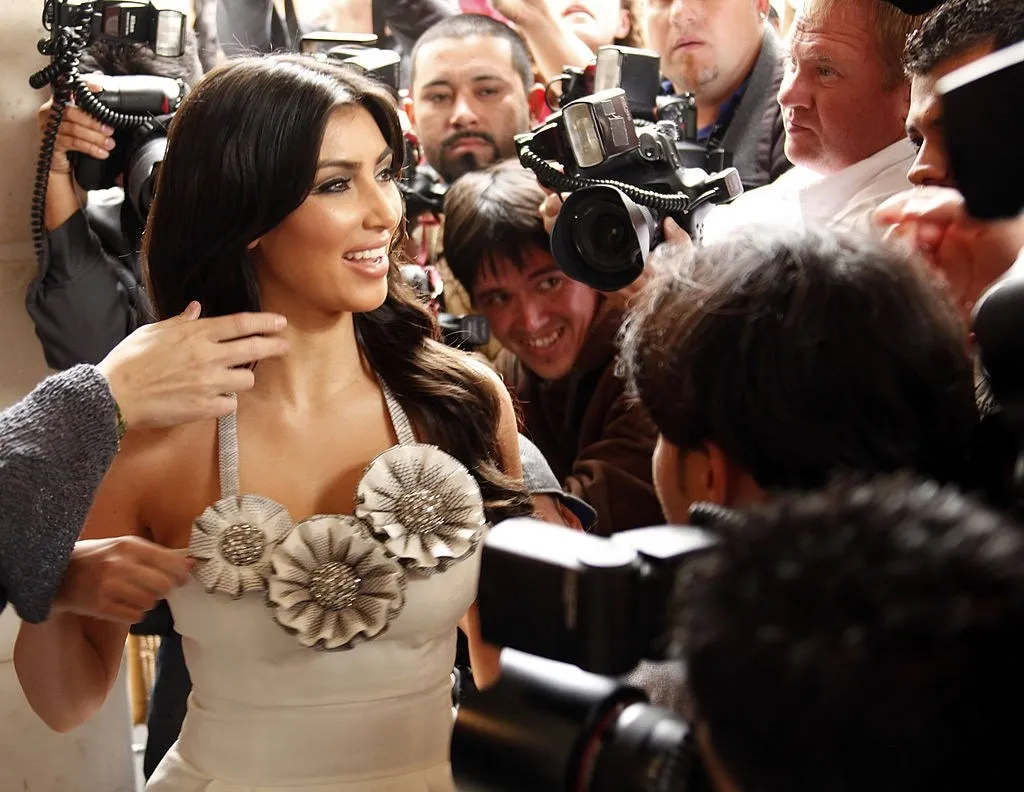
The reality TV gold rush promised overnight stardom to anyone willing to cry on camera or sing a shaky rendition of an Adele song. Millions tuned in, millions auditioned, and an entire generation grew up believing fame was not just possible but desirable - practically a personality goal.
But somewhere between the influencer burnout confessionals, the celebrity mental health crises played out in real time on social media, and the very public unraveling of people who 'made it', something shifted. Gen Z watched all of this happen and apparently took notes.
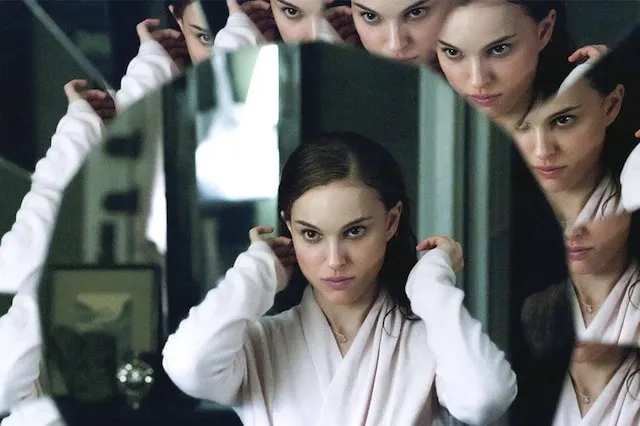
The surveillance problem nobody talks about
Here's the thing about fame in 2024 - it doesn't come with a velvet rope and a security team anymore. It comes with strangers dissecting your face in TikTok comment sections, parasocial audiences who feel entitled to your entire inner life, and an algorithm that will chew you up and spit you out the moment you stop being interesting enough.
Young people growing up chronically online have had a front-row seat to exactly how that plays out. They've watched influencers have breakdowns. They've seen celebrities beg for privacy they voluntarily surrendered. The performance of fame looks less like a dream and more like a second job with a truly terrible HR department.
Small audiences are the new cool
What's emerging instead is a preference for something quieter - niche credibility over mass recognition, a loyal small following over millions of indifferent strangers. The goal seems to be less 'everyone knows my name' and more 'the right people know what I'm about.'
Which is, ironically, a much healthier relationship with visibility. And also deeply unglamorous to write a reality show about, which is probably part of why the format keeps struggling to recapture its early 2000s magic.
Fame, it turns out, is a product that got a lot of bad reviews once enough people tried it. And Gen Z - digital natives who grew up reading those reviews in real time - have simply decided the juice isn't worth the squeeze.
Honestly, respect.