
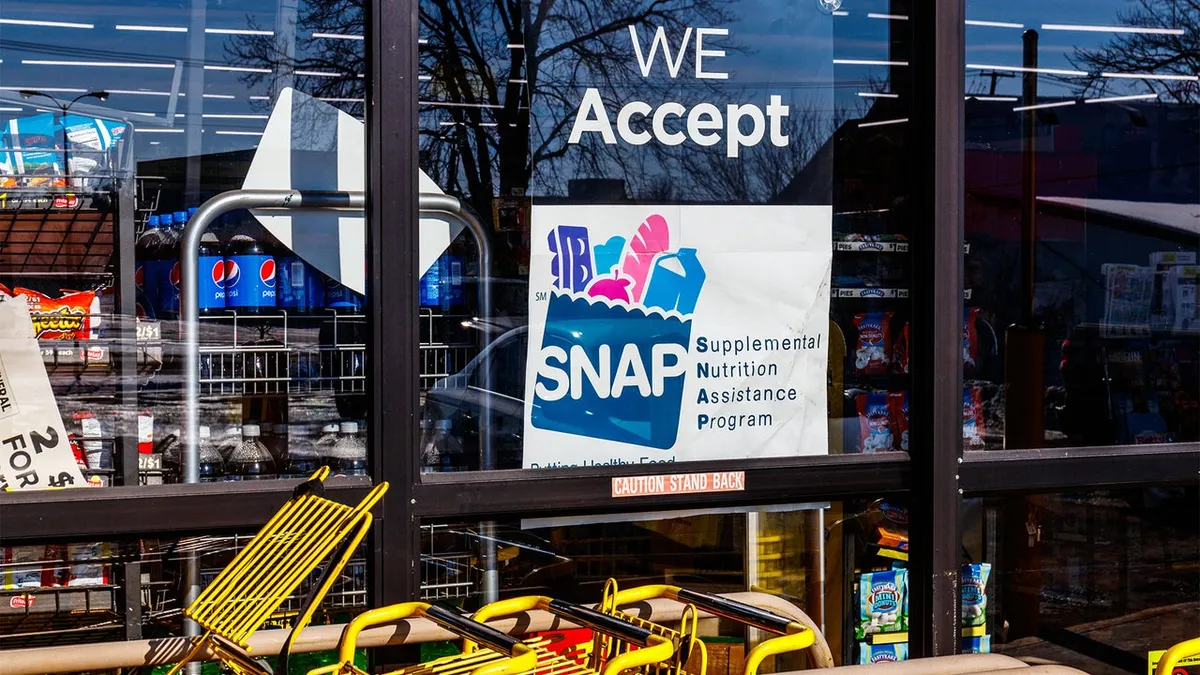
Starting today, if you're a SNAP benefits recipient in Florida, you can kiss your Mountain Dew goodbye. The state has officially rolled out new restrictions on what counts as a qualifying purchase under the Supplemental Nutrition Assistance Program - and the list of banned items reads like a sad birthday party: no soda, no energy drinks, no candy, no prepared desserts.
Yes, someone in Tallahassee looked at a grocery store and said "you know what, the Skittles have to go."
So what's actually happening here?
This is part of a wider push by the Trump administration to hand states more control over how SNAP dollars get spent. The mechanism is a federal waiver process - states submit a proposal to limit which foods and drinks qualify, and if approved, they get to play nutrition police at the checkout line.
Florida is just the first domino. According to Fast Company, 22 states have already jumped in line with their own waiver proposals. That means millions of Americans could soon be navigating a very different - and very restricted - benefits experience at the grocery store.
Why this is a bigger deal than it sounds
On the surface, "less junk food" sounds like a reasonable health initiative. But the reality of restricting SNAP purchases is genuinely complicated. Food policy experts have long pointed out that these kinds of restrictions can be paternalistic, administratively messy, and weirdly inconsistent - why is a two-liter of Coke banned while a bag of chips still passes? Where exactly does "prepared dessert" end and "bakery item" begin?
There's also the question of who this actually affects. SNAP serves tens of millions of low-income Americans, and dictating their grocery choices in ways that wealthier shoppers never have to deal with raises some pretty uncomfortable questions about dignity, autonomy, and what we actually mean when we say "public health."
What comes next
With 21 more states potentially following Florida's lead, this is shaping up to be one of the more significant shifts in how the U.S. approaches food assistance in years. Whether it actually improves nutrition outcomes - or just makes life harder for people already navigating tight budgets - remains very much an open question.
One thing's for sure: the checkout line just got a lot more political.