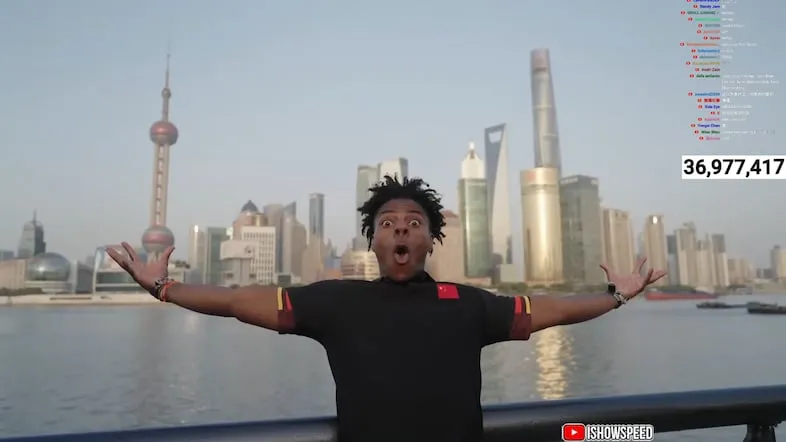
Something interesting is happening on your social media feeds. Between late 2025 and early 2026, a wave of videos began surfacing showing young Americans and Europeans announcing they were having "a very Chinese time in their lives" - and meaning it sincerely.
American women in Parisian apartments brewing tonics from Traditional Chinese Medicine ingredients. British TikTokers diving deep into Chinese aesthetics, philosophy, and daily rituals. The phenomenon even has a name now: chinamaxxing.
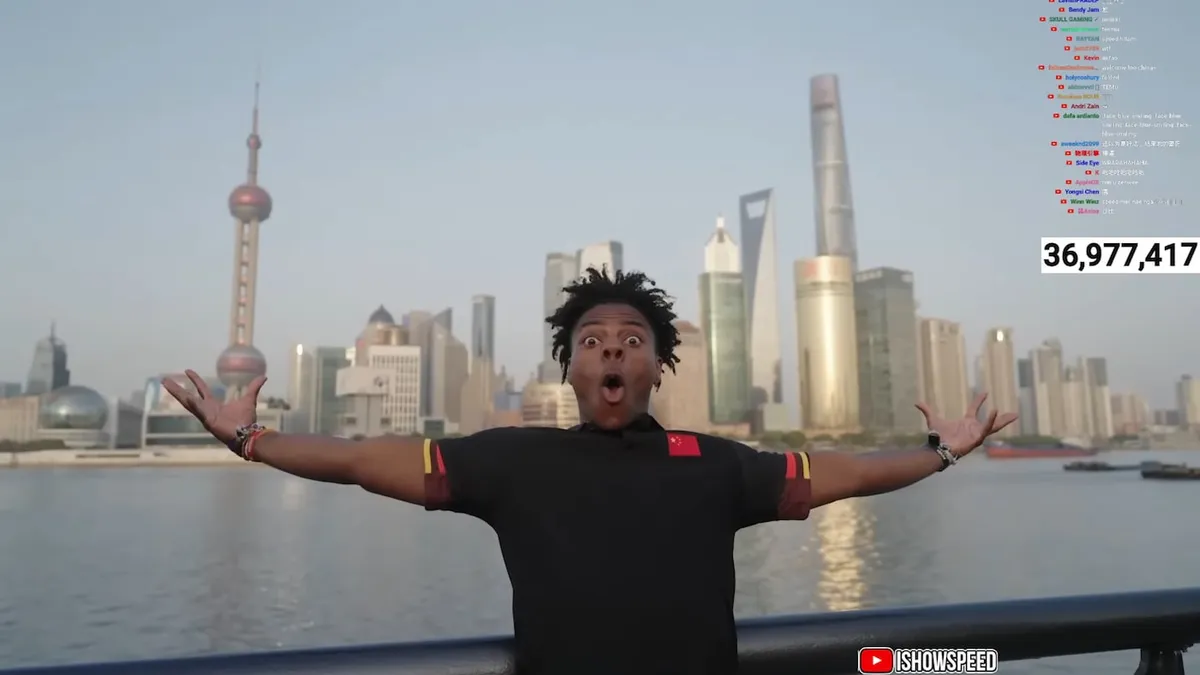
More than a passing trend
It would be easy to dismiss this as another fleeting internet aesthetic - the kind that burns hot for a fortnight before everyone moves on. But according to reporting from Dazed Digital, this one feels different. It's less about cosplay and more about a genuine cultural reorientation, particularly among younger people who feel increasingly disillusioned with the western world they inherited.
The timing isn't random. With western institutions under strain, political polarisation at a peak, and a general sense that the old cultural playbook isn't working, looking elsewhere for frameworks to live by makes a certain kind of sense. China - its history, its philosophies, its aesthetics and its medicine - offers something that feels both ancient and vital.
What it actually looks like in practice
The chinamaxxing trend spans a surprisingly wide range of lifestyle choices. Think incorporating TCM principles into daily health routines, embracing Chinese interior aesthetics, engaging seriously with Taoist or Confucian ideas, or simply developing a genuine curiosity about Chinese art, food, and language. It's less of a monolithic movement and more of a loose cultural gravitational pull.
There's also an element of geopolitical subtext running through it. As the idea of western dominance becomes harder to take for granted, some younger people seem to be proactively exploring what a more multipolar cultural world actually feels like to live in - starting with their own routines and aesthetics.
Appreciation or appropriation?
Like any cross-cultural trend, chinamaxxing raises fair questions about depth versus surface-level borrowing. There's a meaningful difference between genuinely engaging with a culture's ideas and simply cherry-picking its most aesthetically pleasing elements for content. The more thoughtful participants in the trend seem aware of this tension.
But what the phenomenon points to - beyond its meme-able edges - is something real: a generation actively looking outside the western cultural inheritance for new ways to think about health, beauty, meaning, and daily life. Whether chinamaxxing is a blip or an early signal of something larger, it's worth paying attention to.
Source: Dazed Digital