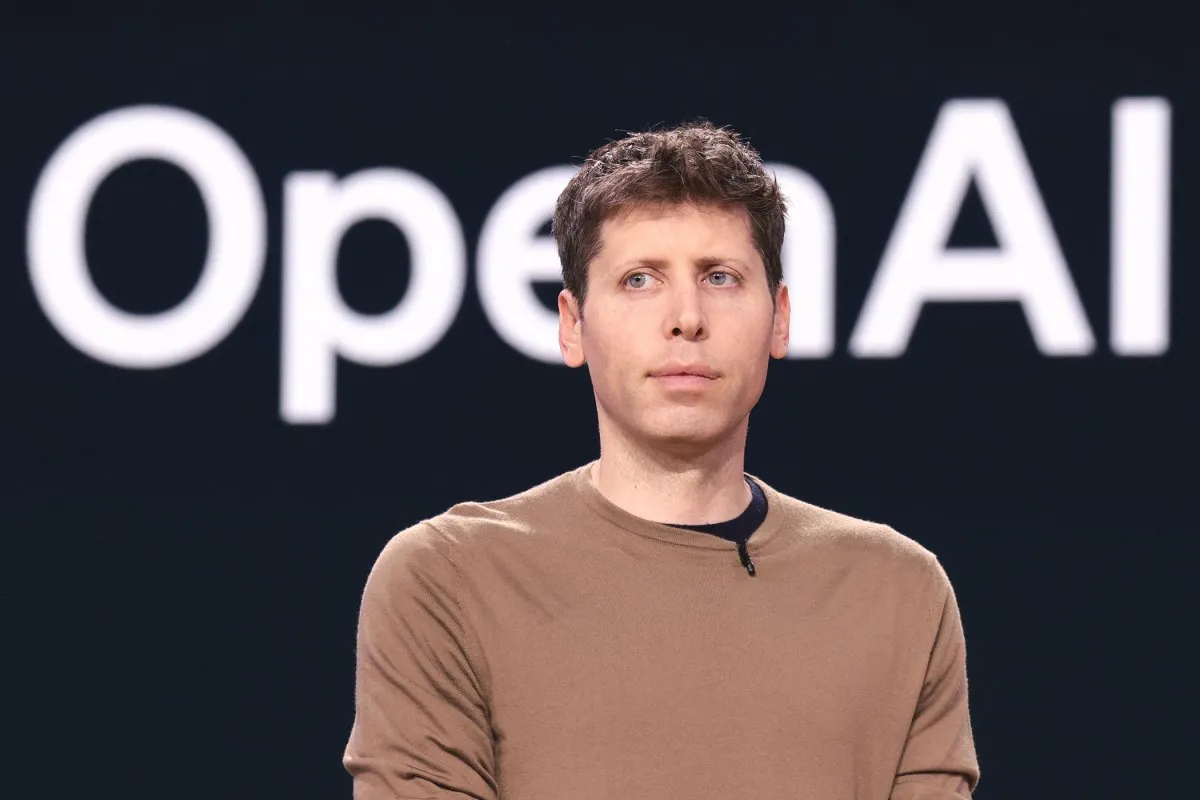
If you thought Elon Musk versus OpenAI was just another tech billionaire beef playing out in the courts, buckle up - because this lawsuit is quietly turning into a referendum on whether OpenAI has ever actually meant what it says.
According to reporting from TechCrunch, Musk's legal campaign to dismantle OpenAI is hinging on a genuinely interesting question: does OpenAI's for-profit subsidiary help or hurt its founding promise to make sure artificial general intelligence benefits all of humanity? That's not just a legal argument. That's basically a philosophy dissertation with a filing fee.
So what's the actual deal?
OpenAI started life as a nonprofit with a mission so lofty it would make a TED Talk blush - ensure that AGI (that's artificial general intelligence, the kind that could theoretically outthink all of us) serves humanity broadly, not just whoever can afford a premium subscription. Then it spun up a for-profit arm, took billions from Microsoft, and became one of the most commercially aggressive companies in Silicon Valley.
Musk, who was an early OpenAI backer before a very messy breakup, is now arguing in court that this pivot away from pure nonprofit idealism represents a betrayal of the founding mission. The lawsuit is essentially asking a judge to weigh in on whether chasing profit and saving humanity can coexist in the same org chart.
Why this actually matters beyond the drama
Here's the thing - underneath all the Musk theatrics, this is a real and unresolved tension in AI development. The companies building the most powerful AI systems are also the ones with the strongest financial incentives to deploy them fast. Safety research is expensive and slow. Revenue is neither.
OpenAI has faced criticism from former employees and AI researchers who argue that safety has been quietly deprioritized as commercial pressure ramps up. The lawsuit, whatever you think of Musk's motivations, is forcing that question into a courtroom where it actually has to be answered with evidence rather than blog posts.
The wildcard nobody is saying out loud
Musk is, of course, also building his own AI company in xAI. So the man suing OpenAI for abandoning its safety mission is simultaneously running a competitor. The irony is thick enough to spread on toast. But even so - a messy legal battle with bad-faith actors on both sides can still surface genuinely important questions. Sometimes the right fight happens for the wrong reasons.
The outcome here could shape how AI labs structure themselves for years to come. And that's worth paying attention to, even if the main character is deeply exhausting.