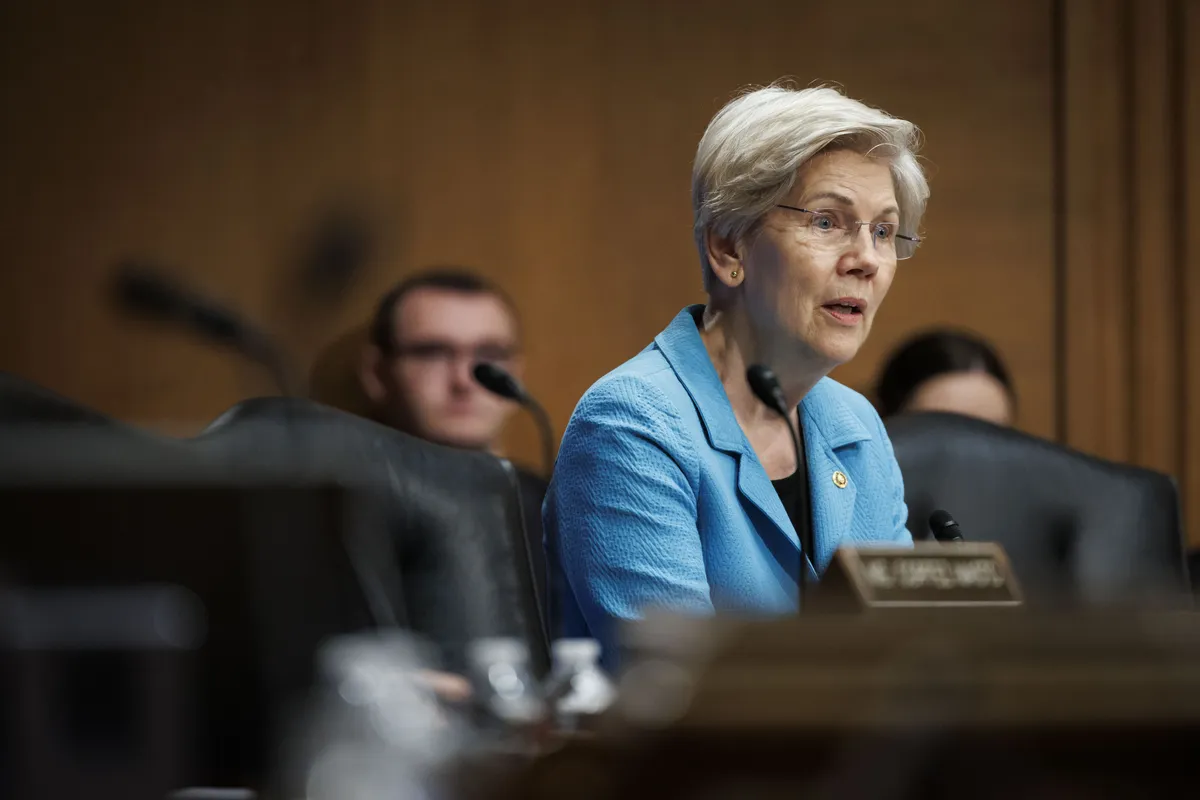
If anyone knows what a financial bubble looks like before it pops, it might be Elizabeth Warren. The Massachusetts senator, who spearheaded the creation of a major consumer financial regulator in the aftermath of the 2008 recession, is now pointing her finger squarely at the AI industry - and the warning is hard to ignore.
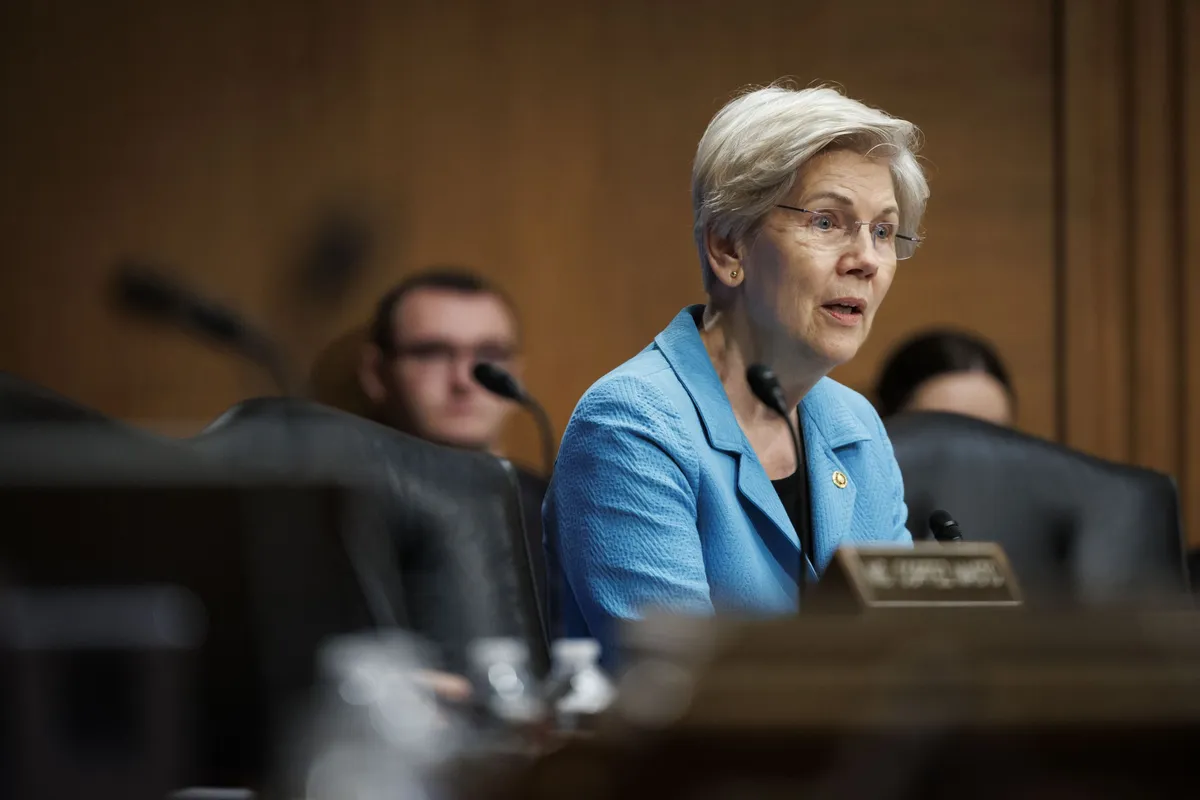
Speaking at a Vanderbilt Policy Accelerator event in Washington, DC this week, Warren told attendees plainly: "I know a bubble when I see one." She described what she called "striking" parallels between today's AI sector and the conditions that led to the last great financial crash, according to reporting from The Verge.

Spend now, worry later
Warren's concern isn't with the technology itself. She acknowledged that AI has "enormous potential" - that part isn't in dispute. What worries her is the financial architecture being built around it. AI companies are engaged in massive spending and borrowing at a scale and pace that, to Warren's eye, carries the same kind of reckless energy that preceded 2008.
The pattern is familiar: sky-high valuations, enormous capital outlays, and a market confidence that assumes the growth will never slow. It's the kind of environment where the upside gets all the attention and the downside risk gets quietly filed away for later.
Why this matters beyond Silicon Valley
For most people, "AI bubble" might sound like a problem for venture capitalists and tech bros. But that's not really how financial crises work. When overleveraged industries collapse, the damage tends to spread - affecting jobs, credit markets, and everyday economic stability in ways that hit ordinary people hardest.
Warren's track record on this kind of warning is worth taking seriously. She was raising red flags about mortgage lending and consumer debt long before the housing market imploded. Whether or not you agree with her politics, her read on systemic financial risk has proven sharp before.

The bigger conversation we should be having
The AI boom has been framed almost entirely as a story of opportunity - new tools, new industries, new ways of working. And that framing isn't wrong, exactly. But it's incomplete. The financial scaffolding holding up that boom deserves just as much scrutiny as the technology itself.
Warren's remarks are a reminder that enthusiasm and economic prudence aren't mutually exclusive. You can be genuinely excited about what AI might do while also asking hard questions about how it's being funded, who's on the hook if things go sideways, and what guardrails - if any - are in place.
Those aren't pessimistic questions. They're just smart ones.