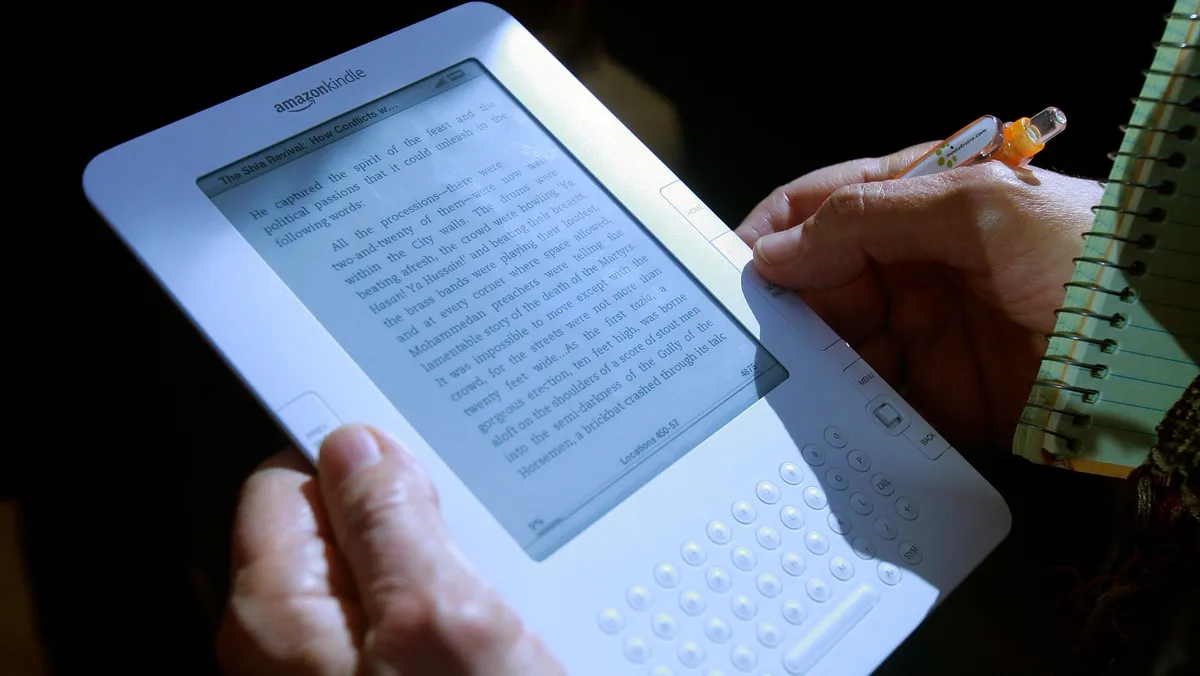
If you've been loyally reading on a Kindle that predates most of your current skincare routine, you may have seen some alarming headlines this week. Amazon has officially ended service support for 13 older Kindle devices - nine of which launched in 2012 or earlier - as of May 20. But before you eulogize your trusty e-reader, here's the good news: your device isn't about to become a paperweight.
What's actually changing
Amazon discontinuing "support" sounds scarier than it is. According to Mashable, this move affects Kindles from the earlier years of the product line - think first, second, and third-generation devices. The company is pulling back on the infrastructure and services that keep older hardware connected to its ecosystem.

In practical terms, that means affected users may lose access to things like the Kindle Store, cloud syncing, and over-the-air updates. It doesn't mean your device stops working entirely. If you've got books already downloaded on the device, you can still read them. The hardware itself isn't going anywhere.
Who this affects
If you're not sure whether your Kindle made the list, it's worth a quick check. The affected models are those released in 2012 or earlier - so if your device is more than a decade old, there's a good chance it's on the list. Anyone still using a first-generation Kindle (launched back in 2007) would definitely be included.
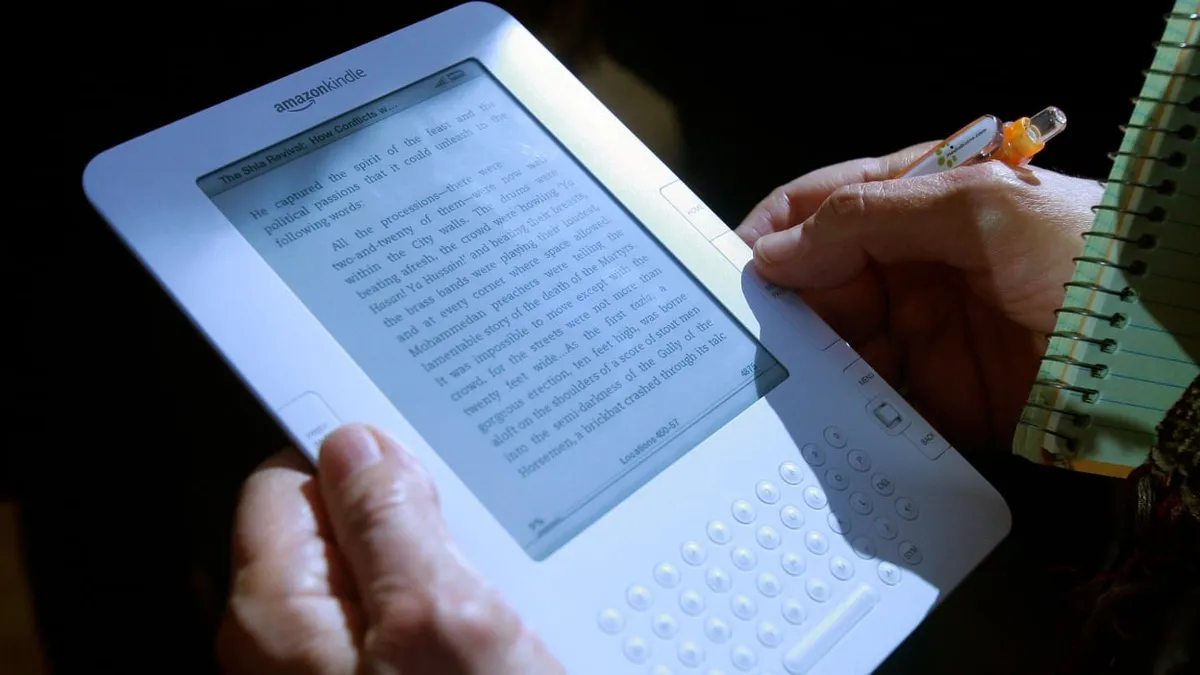
It's honestly a little impressive that people are still using these things. That's a testament to how well-built those early e-readers were, and to the staying power of a device that does exactly one thing really well.
So, what should you do?
If you're an affected user, you have a couple of options. You can keep using your device for offline reading with your existing library - totally valid if you're a re-reader or have a solid backlog. Or, if losing store access and syncing is a dealbreaker, it might finally be the nudge to upgrade to a newer model.
Modern Kindles have come a long way - warmer lighting, waterproofing, sharper screens, and better battery life are all solid upgrades if you've been holding out. And given how long a Kindle tends to last, investing in a current model is pretty reasonable value.
The bottom line? This isn't a crisis. It's just the natural lifecycle of older tech - and your beloved e-reader has had a genuinely good run.