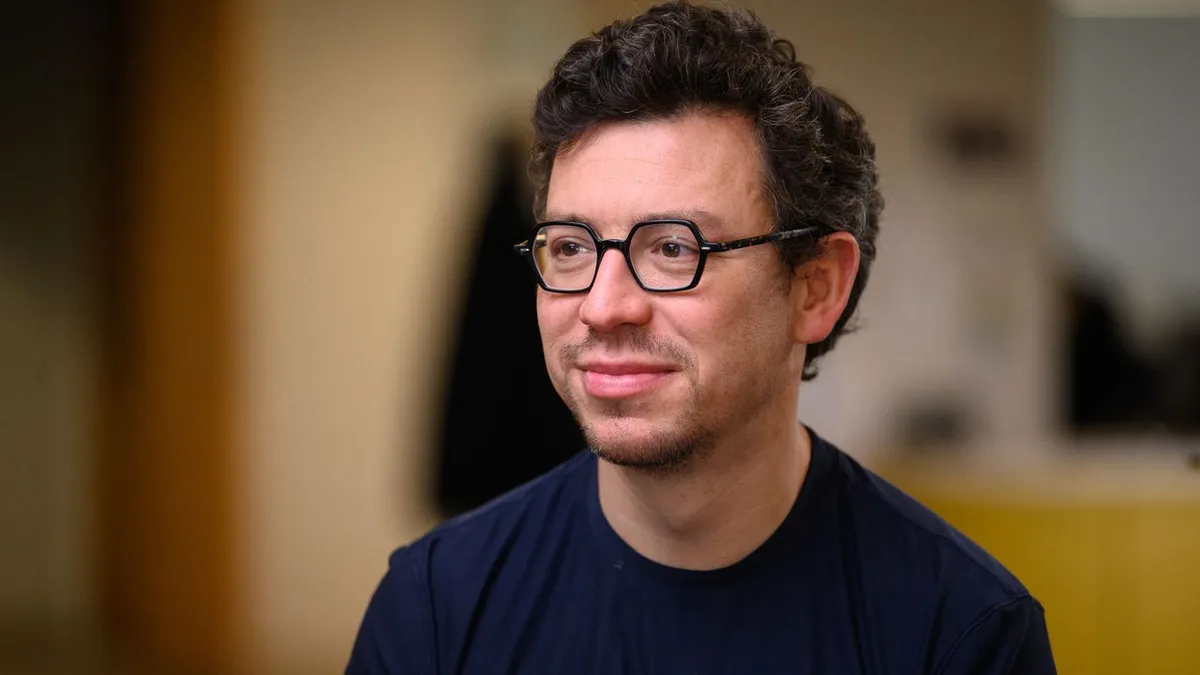
Writing a company memo is usually about as exciting as watching paint dry. But when Duolingo CEO Luis von Ahn sent an internal note about AI last year, it somehow escaped into the wild and set off a full-blown internet meltdown about the future of jobs, robots, and whether your language-learning owl is coming for your career.
Spoiler: he didn't get everything right.
The memo heard 'round the tech world
In a candid interview on the Rapid Response podcast - as reported by Fast Company - von Ahn unpacked what actually happened when his internal AI memo went viral. And to his credit, the guy doesn't hide behind corporate PR fluff. He admits where the hype outpaced the reality, which, honestly, is a refreshing change of pace in an industry where admitting you were wrong is roughly as common as seeing a unicorn.
The memo had touched on Duolingo's AI ambitions and - depending on who you asked on social media - was either a bold vision for the future or proof that the robots were finally taking over. The backlash was loud, fast, and deeply online.
What he actually got wrong
Von Ahn's reckoning centers on something a lot of tech executives conveniently skip over: the real limitations of AI. Turns out, plugging AI into education isn't a magic bullet. Language learning is messy, human, and deeply personal - and the technology, for all its dazzling party tricks, still bumps into some surprisingly stubborn walls when it comes to actually teaching people things.
He also acknowledges that the public reaction taught him something. When you're inside a fast-growing tech company, it's easy to get caught up in what's possible and forget to communicate what's actually happening right now versus what you're hoping for down the road.
Why this matters beyond the Duolingo bubble
Here's the thing - this isn't really just a story about an owl app and a leaked memo. It's a case study in what happens when tech leaders talk about AI without enough guardrails on the hype. Workers get scared, the internet gets angry, and suddenly a productivity note becomes a flashpoint in a much bigger cultural conversation.
Von Ahn's willingness to say "I got some of this wrong" is actually kind of rare. And in a moment when every company from your local bakery to Goldman Sachs is slapping "AI-powered" on everything, a little honesty about the limits of the technology is - dare we say - genuinely useful.
Now if only the owl would stop judging us for missing our streak.