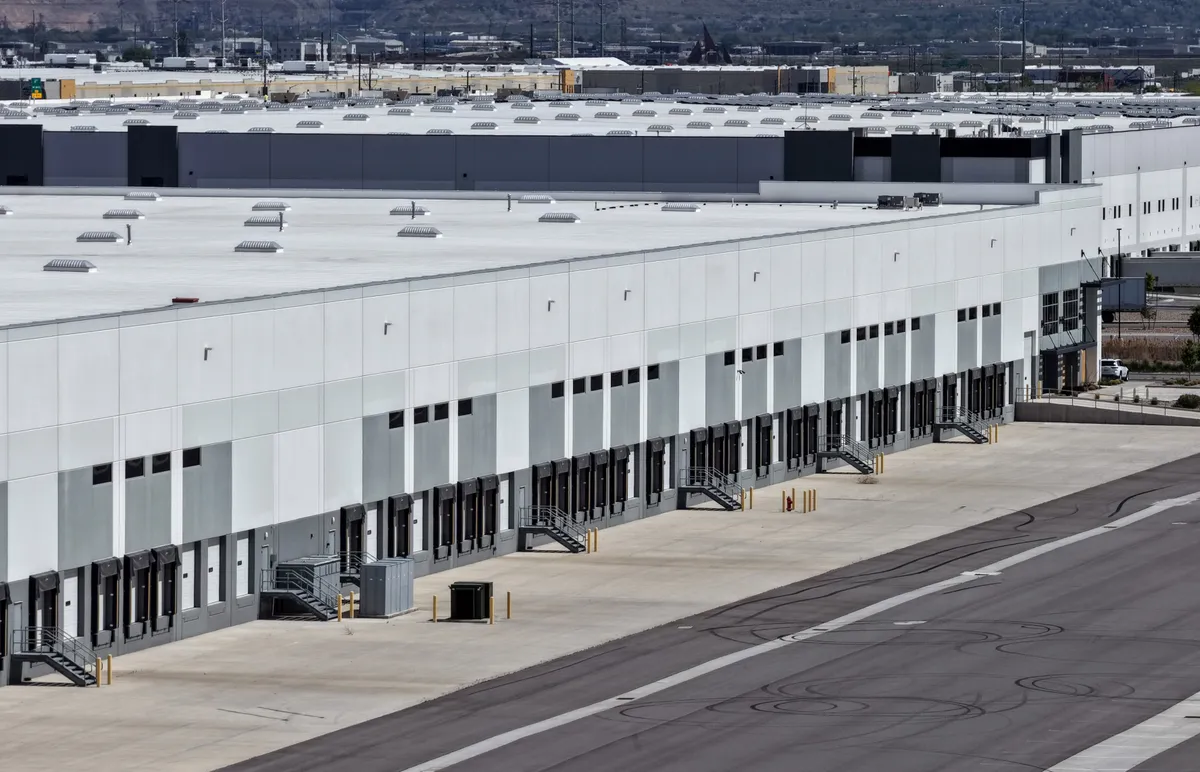
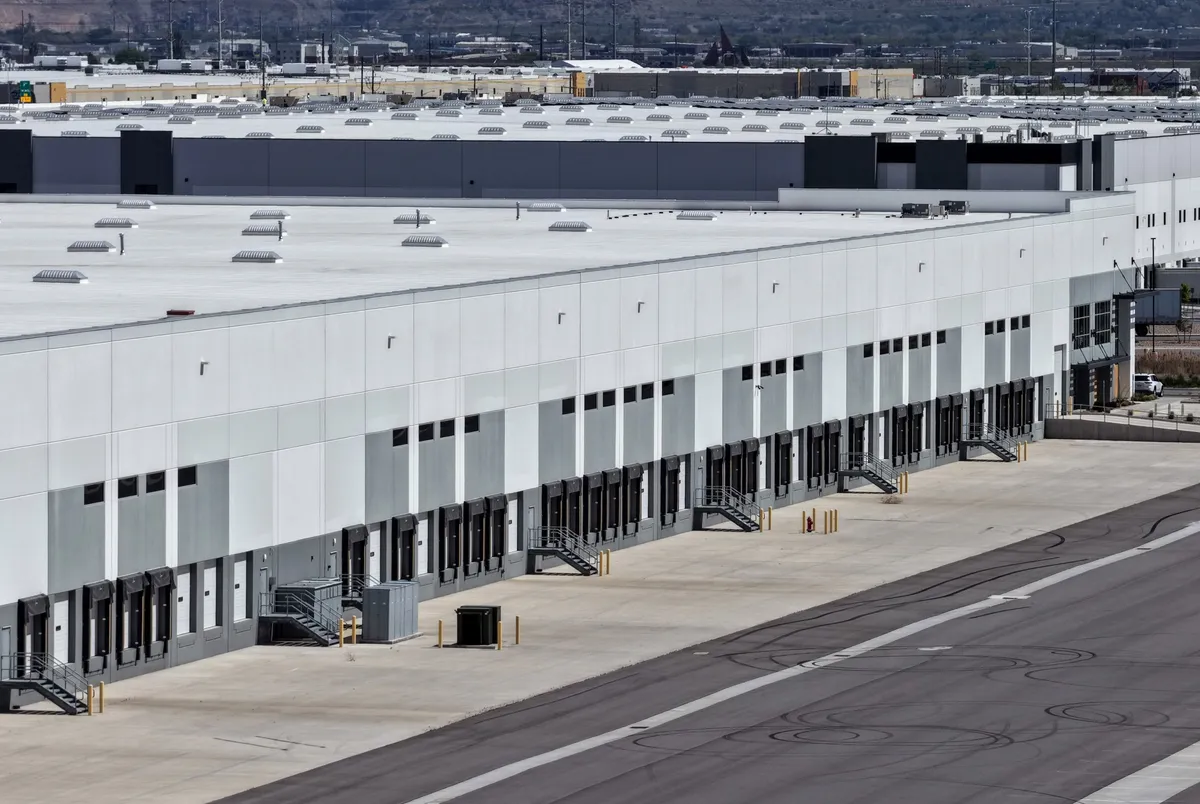
You know things have escalated when a government agency starts shopping for real estate like it's a particularly aggressive episode of Property Brothers. According to reporting from The Verge, ICE recently dropped serious cash on an 833,000 square foot warehouse in Salt Lake City - paying well above its assessed value - to use for detention, processing, and logistical operations in the region.
That's roughly the size of 14 football fields, in case you needed a visual. A very bleak visual.

The bill that wants to put a lid on it
Rep. Rashida Tlaib (D-MI) has introduced the Ban Warehouse Detention Act, which would prohibit the Department of Homeland Security from converting warehouses and similar large industrial buildings into immigrant detention facilities. The bill is a direct response to what critics see as a troubling workaround - repurposing massive commercial spaces to rapidly scale up detention capacity without the scrutiny that comes with building dedicated facilities.
And look, the optics of literally warehousing human beings are not great. Like, even if you're fully on board with stricter immigration enforcement, the imagery of turning a logistics hub into a holding facility is the kind of thing that tends to haunt a policy for decades.
Why this actually matters
Beyond the symbolism, there's a real functional concern here. Traditional detention facilities come with at least some baseline of regulatory oversight, inspection requirements, and accountability structures. Warehouses? Not exactly designed with habitation in mind. No windows, industrial flooring, loading docks where the ventilation used to be - it's the architecture of moving boxes, not housing people.
The Salt Lake City purchase also raises eyebrows because ICE reportedly paid above the assessed value of the property, which is the kind of spending decision that tends to generate some uncomfortable questions about urgency, oversight, and who exactly is benefiting.

The bigger picture
This is all happening against the backdrop of a significant expansion of federal immigration enforcement operations nationwide. The warehouse acquisition in Utah is part of a broader logistical buildup, and critics argue that converting industrial spaces is a fast way to massively increase detention capacity while flying under the radar of the usual political and regulatory scrutiny.
Whether Tlaib's bill has any real shot at passing in the current political climate is, to put it gently, uncertain. But it's putting the practice on record and forcing a conversation about what "enforcement infrastructure" actually looks like in practice - and whether there should be limits on how creatively the government can repurpose real estate when human beings are involved.
Spoiler: most people think the answer is yes.