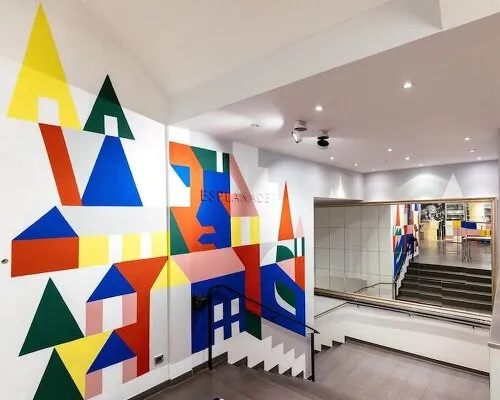
Imagine a design festival that doesn't just take over a convention center - it takes over everything. That's basically what happened when the World Design Capital 2026 ran its Open Week from June 5 to 14, transforming more than 150 venues across a region into one sprawling, distributed celebration of design thinking.
A festival without walls (literally)
Ten days. Over 150 locations. The kind of logistical ambition that would give most event planners a full-body anxiety attack. And yet, WDC 2026 pulled it off by reimagining what a design festival is even supposed to be in the first place.
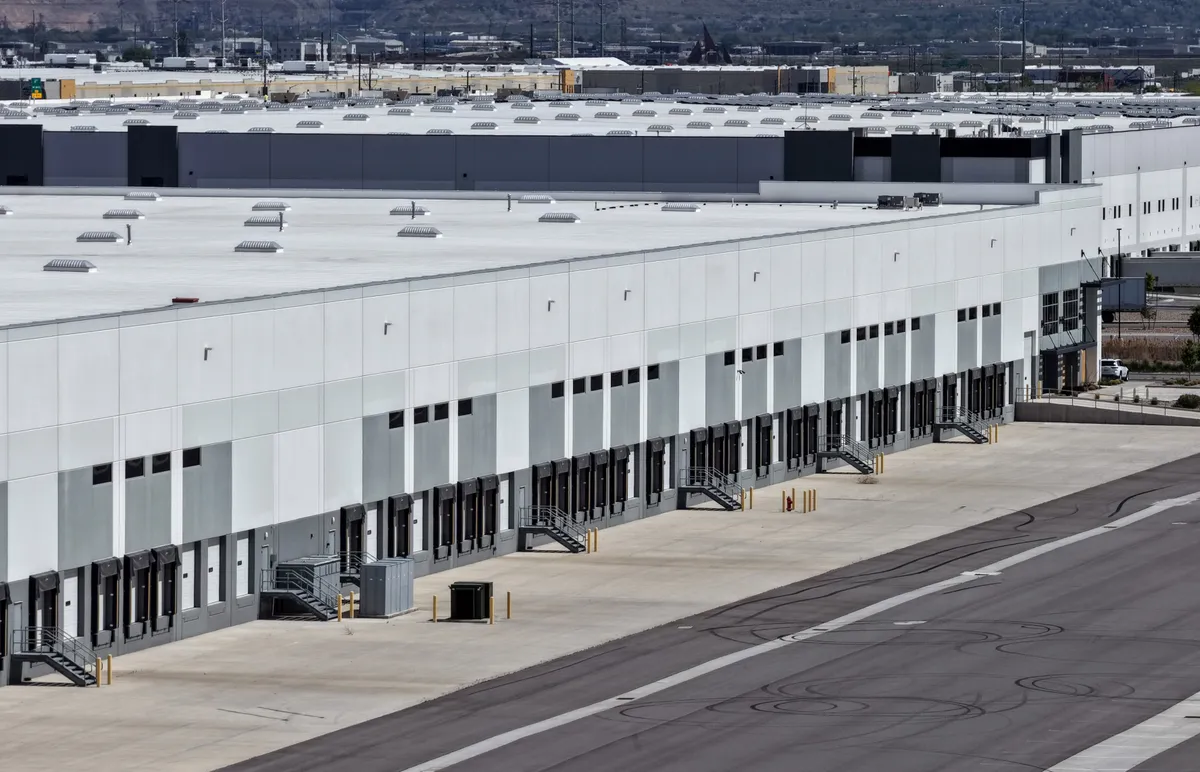
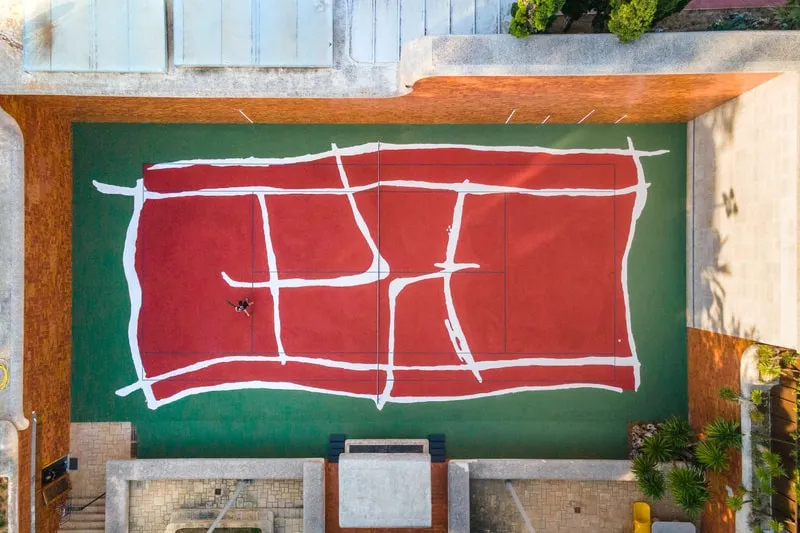
Instead of funneling everyone into the same predictable expo hall - where you shuffle past booths and collect tote bags you'll never use - the Open Week scattered its programming across an entire region. Think warehouses, public squares, studios, galleries, and probably a few spots that had no business hosting a design event but absolutely thrived anyway.
Why this actually matters
This isn't just a quirky format flex. It's a genuine philosophical shift. Traditional design festivals can feel exclusive by design (pun intended) - geographically concentrated, industry-insider heavy, and frankly intimidating if you're not already embedded in the scene.
A distributed platform flips that. When design shows up in 150 different venues, it stops being something you go see and starts being something you run into. Your neighborhood becomes part of the exhibit. That's a pretty powerful statement about who design is actually for.
According to reporting by Designboom, the festival functioned as a regional platform - meaning the goal wasn't just spectacle, but connection. Connecting local designers to broader conversations, connecting communities to creative practice, and connecting the idea of design to everyday life rather than keeping it locked behind lanyard-access doors.
The distributed model is having a moment
This approach echoes what we've seen gain traction in other cultural sectors - think city-wide music festivals, open studio weekends, or architecture open house events that let curious people wander into buildings they'd normally walk right past.
It works because it meets people where they are, both physically and conceptually. You don't need to be a design professional to appreciate something thoughtfully made or cleverly solved when it's right in front of you.
WDC 2026's Open Week is a case study in what happens when organizers stop asking 'how do we get people to come to design?' and start asking 'how do we bring design to people?' The answer, apparently, involves 150 venues and a very, very busy ten days.
Honestly? More festivals should take notes.