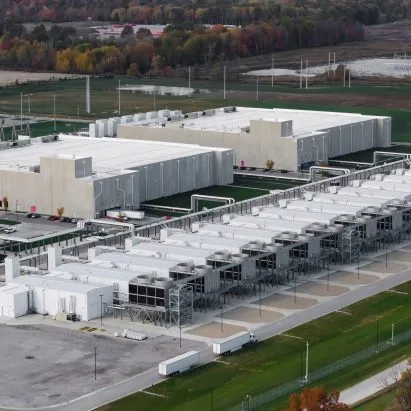
Every time you stream a video, send an email, or ask an AI assistant something, a data centre somewhere is working hard on your behalf - and apparently, it's getting pretty warm in the neighbourhood.
A new study, published by a group of nine researchers affiliated with institutions including the University of Cambridge and Nanyang Technological University, has found a pronounced heat island effect linked to data centre development in locations around the world. The findings, reported by Dezeen, suggest the thermal footprint of these facilities extends well beyond their walls, with the heat having what the researchers describe as a "remarkable influence on communities and regional welfare."
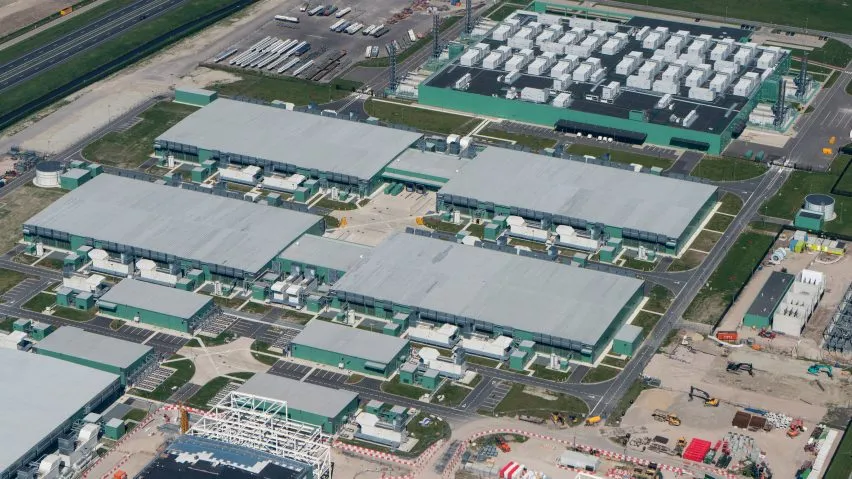
What is a heat island, exactly?
If you've ever noticed that cities feel significantly hotter than the surrounding countryside, you've experienced an urban heat island firsthand. Hard surfaces, dense buildings, and concentrated human activity all trap and generate heat. What this study suggests is that data centres - already notorious for their massive energy consumption - may be adding a meaningful layer to that effect wherever they cluster.
And data centres are clustering everywhere. The global appetite for cloud computing, streaming, AI processing, and digital storage has driven a construction boom in these facilities, often in suburban or semi-rural areas that weren't previously subject to intense urban heat dynamics.
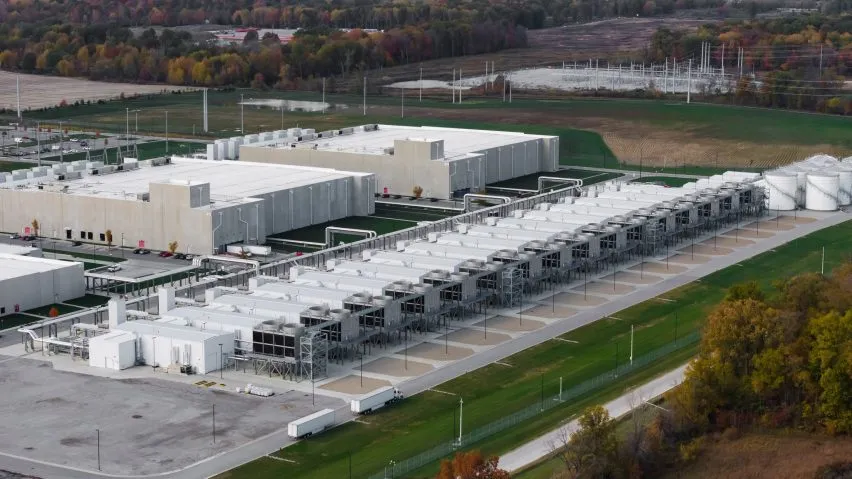
Why this matters beyond the headlines
It's worth noting that this paper has not yet been peer-reviewed, so the findings should be treated as preliminary rather than definitive. But even as an early signal, it raises genuinely important questions about where we build this infrastructure and how we account for its environmental costs.
For the communities living near these facilities, a warming local climate isn't abstract - it affects sleep quality, health outcomes, energy bills for cooling, and the liveability of outdoor spaces. For policymakers and urban planners, it's a prompt to think more carefully about the physical consequences of decisions that can feel purely digital.
There's also an interesting tension here. Data centres are increasingly part of conversations about sustainability in tech, with companies investing in renewable energy and more efficient cooling systems. But efficiency improvements don't necessarily eliminate waste heat - they just reduce how much is produced per unit of computing power. As demand grows exponentially, even more efficient facilities can still mean more total heat output.
The bigger picture
We tend to think of our digital lives as weightless - invisible data moving through invisible infrastructure. Studies like this are a useful reminder that every byte has a physical home, and that home has a real relationship with the world around it. As we ask more and more of our digital infrastructure, it seems fair to also ask more of the people designing and siting it.