
Miles Davis would have turned 100 this year, and the jazz world is doing what it always does with complicated legends - throwing a centennial party while quietly hoping nobody reads the footnotes.
But one writer at Vanity Fair is refusing to let us off that easy. In a deeply personal reflection published in honor of the milestone, they wrestle openly with what it means to love the art of a man whose cruelty toward women is well-documented and genuinely difficult to sit with.

The music is undeniably it
Let's get one thing straight before the discourse swallows us whole - Miles Davis was, by almost any measure, one of the most consequential musicians who ever lived. We're talking about a guy who didn't just have one era-defining album. He had several. Kind of Blue. Bitches Brew. Sketches of Spain. The man reinvented himself so many times he makes Madonna look like a one-trick pony.
The Vanity Fair piece offers something genuinely useful alongside its moral reckoning - a road map through Davis's five-decade career for listeners who want to engage seriously with the music without pretending the rest of it didn't happen. That's a harder needle to thread than it sounds.
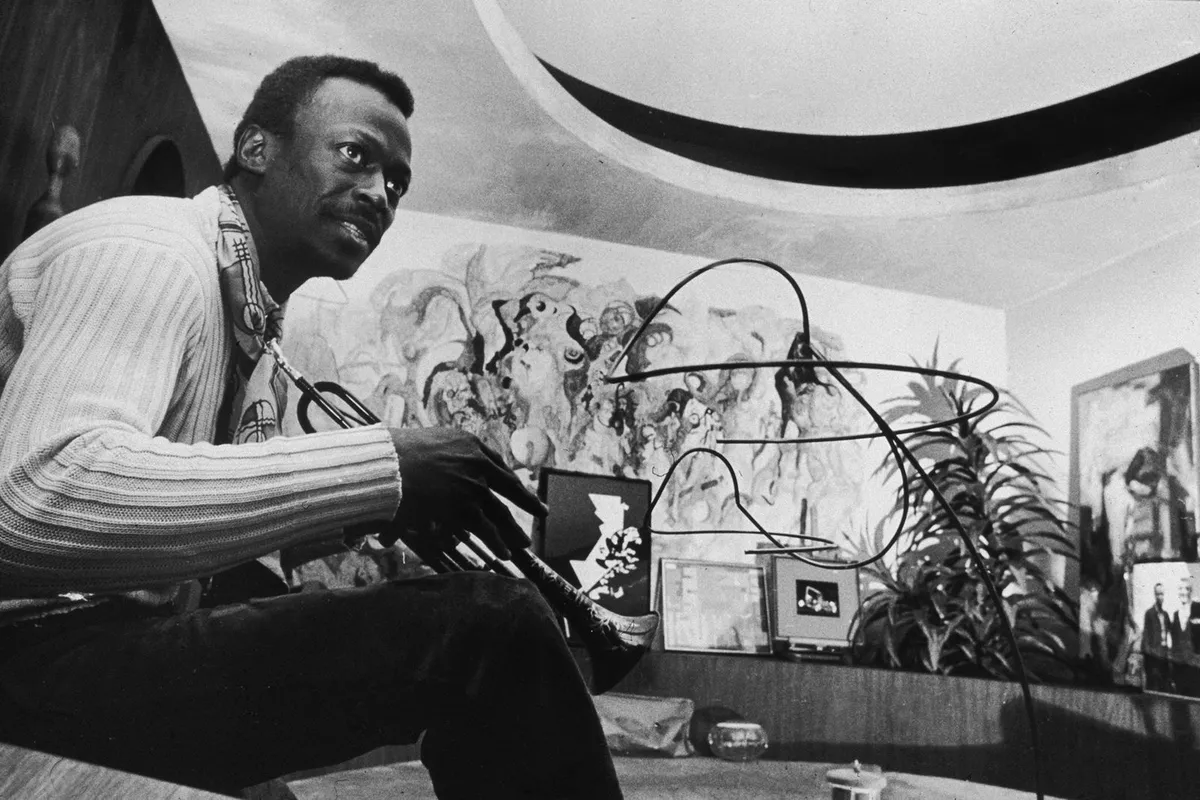
The part we can't skip past
Here's the uncomfortable truth that the article doesn't flinch from: Davis was abusive. Not in a vague, "complicated man of his era" kind of way. In a documented, specific, harmful way. And that sits alongside the genius in a way that doesn't resolve neatly into a lesson or a takeaway.
The writer doesn't pretend there's a clean answer. They're wrestling - genuinely, not performatively. Which is actually refreshing in a media landscape where think-pieces about problematic artists tend to land on one of two extremes: full cancellation or full absolution, with nothing in between.

Why this actually matters
We're living in an era where these conversations happen constantly, loudly, and usually badly. Miles Davis at 100 is a useful pressure test precisely because the artistic legacy is so enormous. It's easy to dismiss a mediocre artist. It's much harder - and more honest - to hold the greatness and the harm at the same time without dropping either one.
The Vanity Fair piece doesn't give you permission to stop thinking. It gives you a playlist and a question mark, which is probably the most intellectually honest birthday gift you can give a man like Miles Davis.
Start with Kind of Blue. Sit with the discomfort. Don't look away from either part.