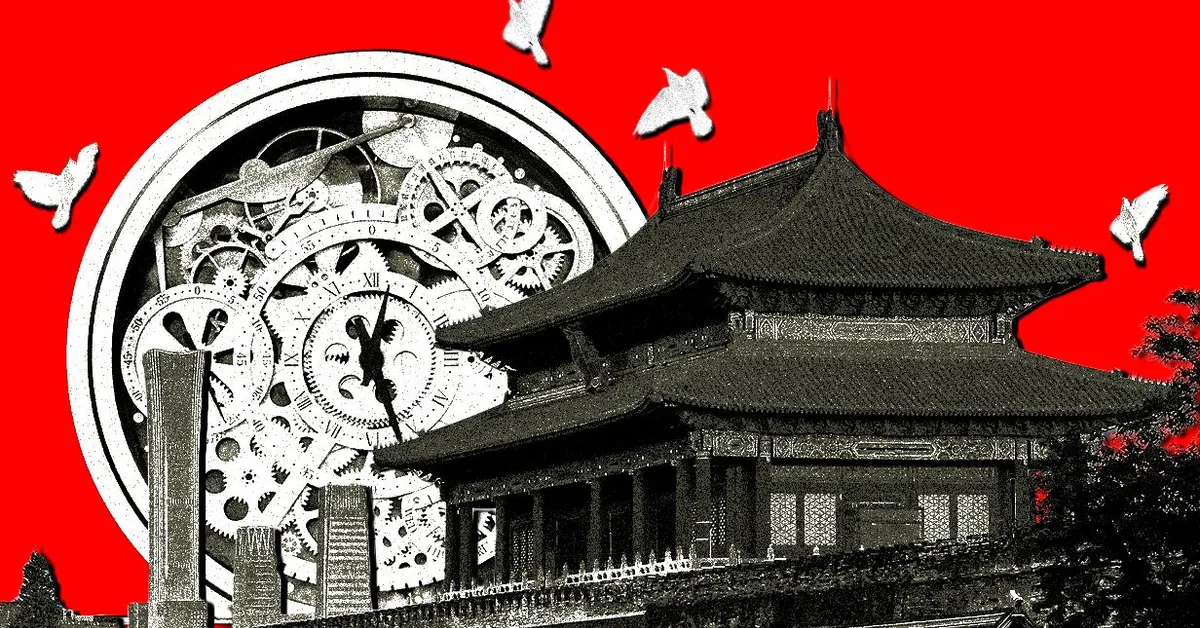
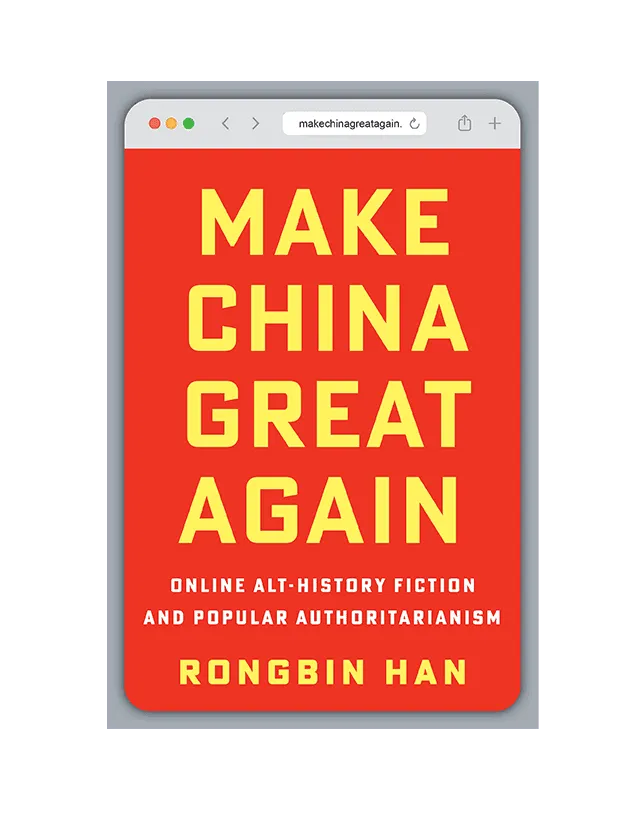
There's something fascinating happening in online fiction right now, and it stretches far beyond the usual fantasy tropes of dragons and destiny. Chinese web novels - the kind that rack up millions of readers on platforms like Qidian - are rewriting history with a distinctly modern twist. Think ancient dynasties equipped with contemporary technology, or imperial heroes guided by suspiciously current ideological values. It sounds like fun genre play, and a lot of it genuinely is. But according to a new book covered by Wired, there's a deeper layer worth paying attention to.
History as a creative playground
The genre, often called "rebirth" or "transmigration" fiction, drops modern protagonists into historical China, where they proceed to solve ancient problems with 21st-century know-how. The appeal is obvious. Who hasn't daydreamed about going back in time armed with everything they know now? The stories are propulsive, often wildly imaginative, and hugely entertaining. They've built devoted followings both inside China and internationally, with many titles finding global audiences through fan translations.
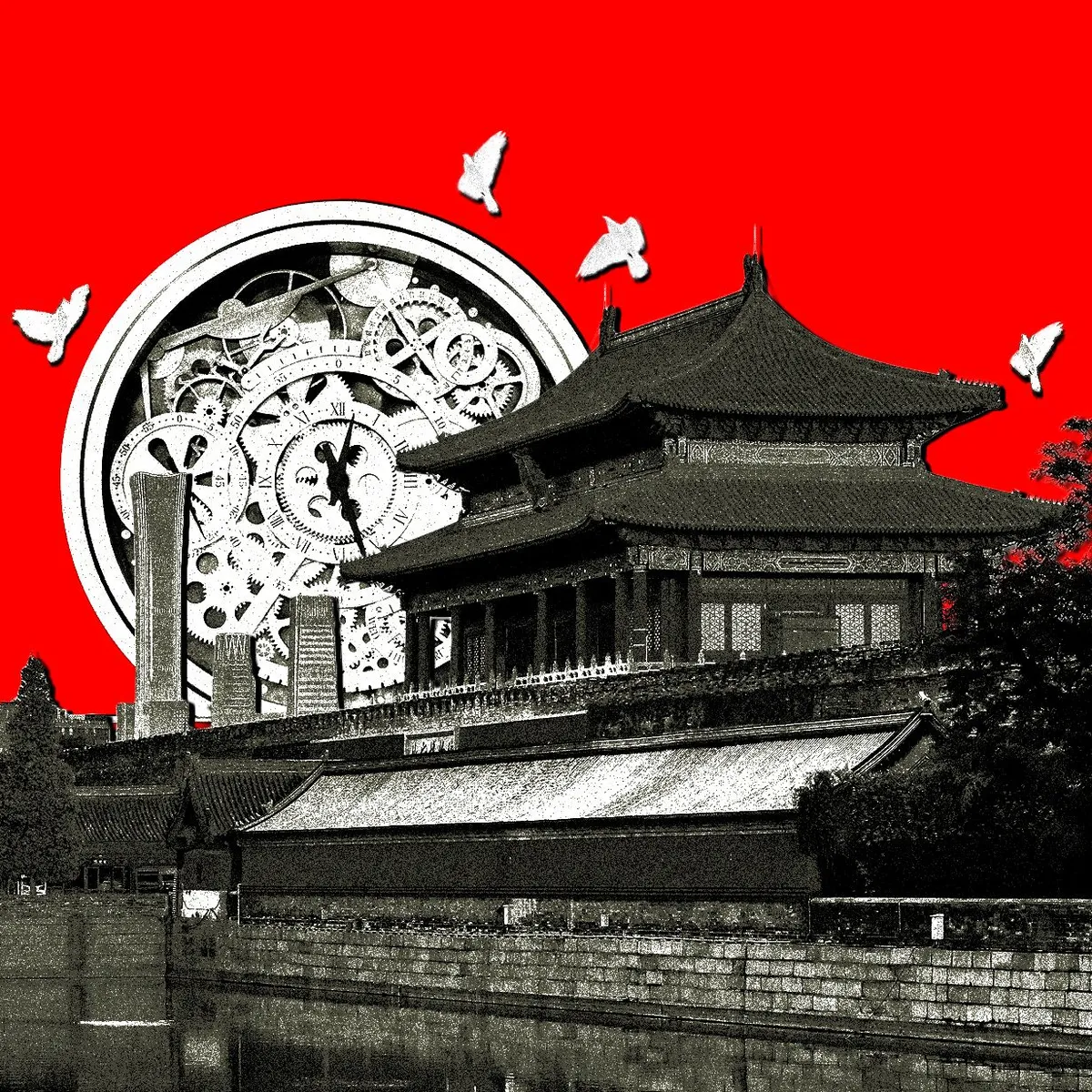
But the reimagining happening in these novels isn't purely playful. The new book argues that the way these stories reconstruct the Chinese past - emphasising national strength, technological superiority, and collective destiny over individual ambition - lines up rather neatly with the political priorities of the current moment. It's not necessarily a conspiracy. Cultural production always reflects the world that shapes it. Still, it raises real questions about how popular storytelling can normalise and reinforce specific visions of who a society is and where it's headed.
Why this matters beyond China
For Western readers, this might feel like a distant concern - interesting but not personally relevant. But the reach of Chinese web fiction is genuinely global now. Series like The King's Avatar and countless romance and cultivation novels have found massive audiences worldwide, and streaming platforms have adapted many of them for international viewers. The stories travelling beyond China's borders carry their embedded assumptions with them.

This doesn't mean you should feel guilty about enjoying xianxia novels or historical dramas. Good storytelling is good storytelling. But it does make the case for reading with a bit of awareness - understanding that fiction, especially wildly popular fiction, is never just fiction. It reflects something real about the culture that made it.
The broader sci-fi and fantasy boom coming out of China is genuinely exciting, and writers like Liu Cixin have already shown the world what that creative energy can produce at its best. Keeping an eye on what these stories are selling, alongside the entertainment they deliver, just makes you a sharper reader of the cultural moment we're all living in.