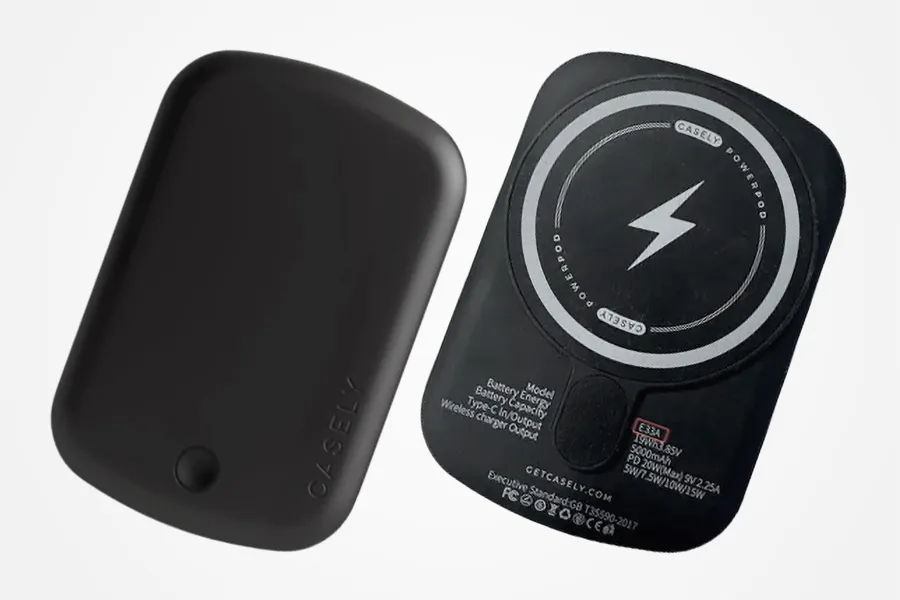
This one is serious. Casely and the US Consumer Product Safety Commission are reissuing an urgent recall on the brand's 5,000mAh Power Pods wireless power banks after new incidents - including a fatality - have been reported since the original recall was first announced in April 2025.
What happened
The initial recall, which covered over 429,000 units, was triggered by 51 reports of the power banks' lithium-ion batteries overheating, expanding, or catching fire. At the time, six people had suffered minor burn injuries. That alone was alarming enough to pull the product.

Now, according to reporting by The Verge, an additional 28 reports of battery overheating have come in since that first announcement - and those new incidents include at least one death. The recall is being reissued because, clearly, not enough people got the message the first time.
Why this matters beyond one product
Lithium-ion battery fires are not new news, but this situation is a stark reminder of just how dangerous a faulty power bank can be. These are devices most of us toss in a bag, leave on a nightstand, or plug in while we sleep - which makes the risk very real and very close to home.
The frustrating reality is that recalls only work if people actually hear about them. Millions of small consumer tech products are recalled every year, and a huge number of the affected units stay in circulation simply because owners never find out. That's exactly why regulators issue these reannouncements, and it's why paying attention to them matters.
What you should do right now
- Stop using your Casely Power Pod immediately if you own one.
- Check whether your device is part of the recall - the original April 2025 announcement covered 429,000 units of the 5,000mAh Power Pods wireless power bank.
- Visit the USCPSC website or Casely's official channels for return and refund instructions.
- Do not throw the device in regular trash - lithium-ion batteries require proper disposal.
If you're unsure whether your power bank is affected, err on the side of caution and set it aside until you can confirm. No charge is worth the risk.