Somewhere between "fever dream" and "actually genius" sits Rio AI City, a planned data centre complex in Rio de Janeiro state that wants to be taken seriously as one of the world's first sustainable AI districts. Yes, they're covering the servers in plants. No, we're not complaining.
Ten buildings, a lot of greenery, zero chill
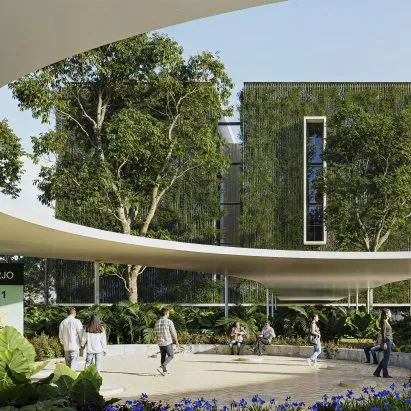
Architecture studio Hyphen has dropped plans for a sprawling 10-building campus developed by Brazilian company Elea Data Centres, according to Dezeen. The complex will feature plant-covered facades and parkscapes woven throughout, which is either a brilliant attempt to offset the enormous energy footprint of AI infrastructure or the most elaborate greenwashing exercise since someone slapped a leaf logo on a plastic bottle. Possibly both.
Either way, it will be Latin America's largest data centre when complete, which is a title that comes with a genuinely staggering amount of responsibility - and electricity consumption.
Why this actually matters beyond the aesthetics
Look, data centres are not historically famous for being pretty, carbon-neutral, or neighbourly. They are famous for being loud, hot, and thirsty - as in, they consume water and energy at a scale that makes your crypto-mining phase look quaint. So the fact that someone is designing one with greenery, parkscapes, and sustainability credentials baked into the architecture from day one is worth paying attention to.
Brazil is also a genuinely interesting location for this kind of investment. The country runs largely on hydroelectric power, which gives it a cleaner energy baseline than most places trying to power the AI revolution on coal and wishful thinking.
The vibe check
Visually, Rio AI City looks like what would happen if a nature-loving architect was handed a brief that just said "the future" and told to run with it. Green facades, open parkland, buildings that look like they're being slowly reclaimed by the jungle in a very intentional, very curated way. It's either the best-looking data centre campus ever conceived, or it's what happens when you let the marketing team near the architectural renders.
Probably a bit of both, if we're honest.
Still - if AI infrastructure has to exist (and apparently it does, whether we're ready or not), having it wrapped in plants in Rio beats having it as another grey warehouse on an industrial estate. That much, at least, is not up for debate.