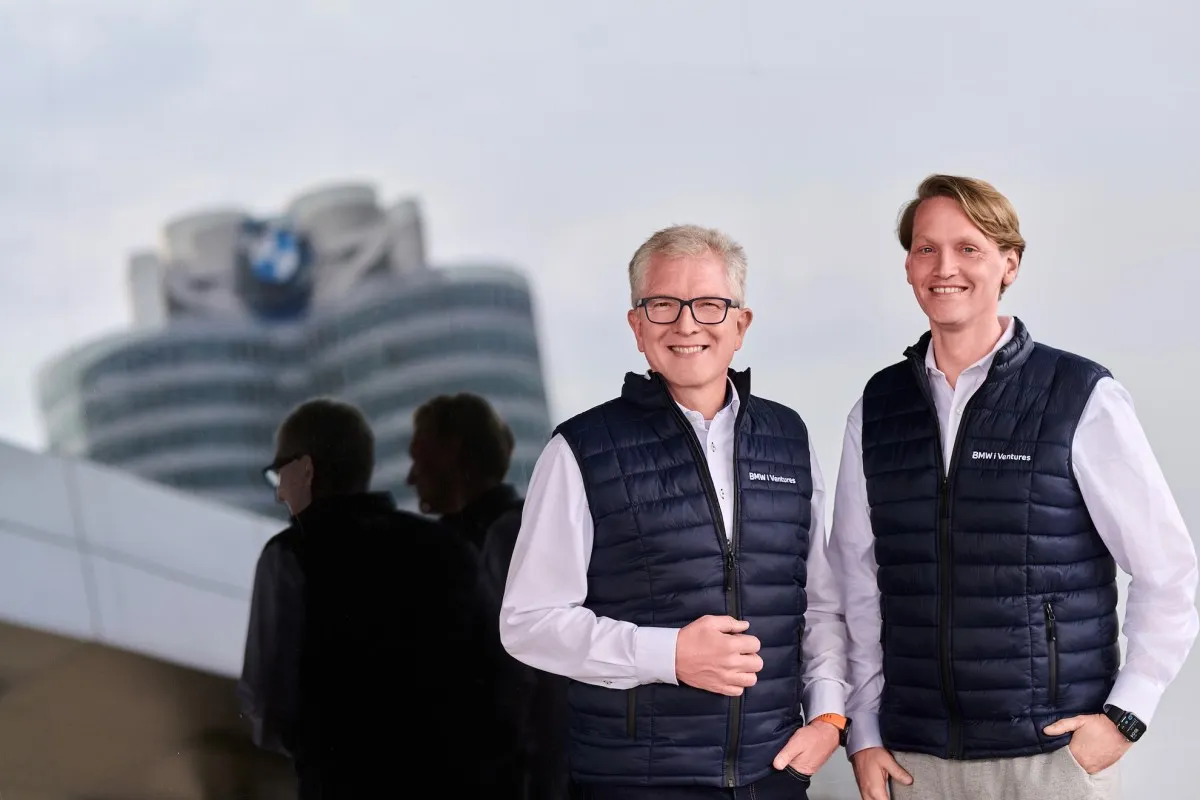
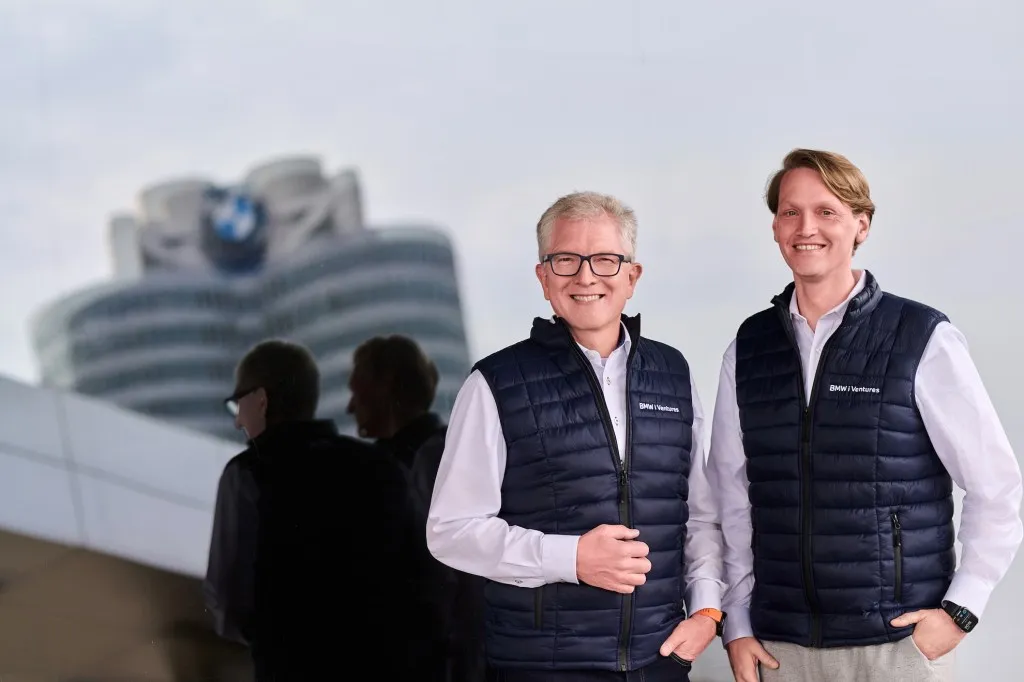
If you thought BMW was just out here making luxury sedans and aggressively curved headlights, think again. BMW i Ventures - the automaker's venture capital arm - has just closed a fresh $300 million fund, and the shopping list reads less like a car company and more like a Silicon Valley fever dream.
So what exactly are they buying into?
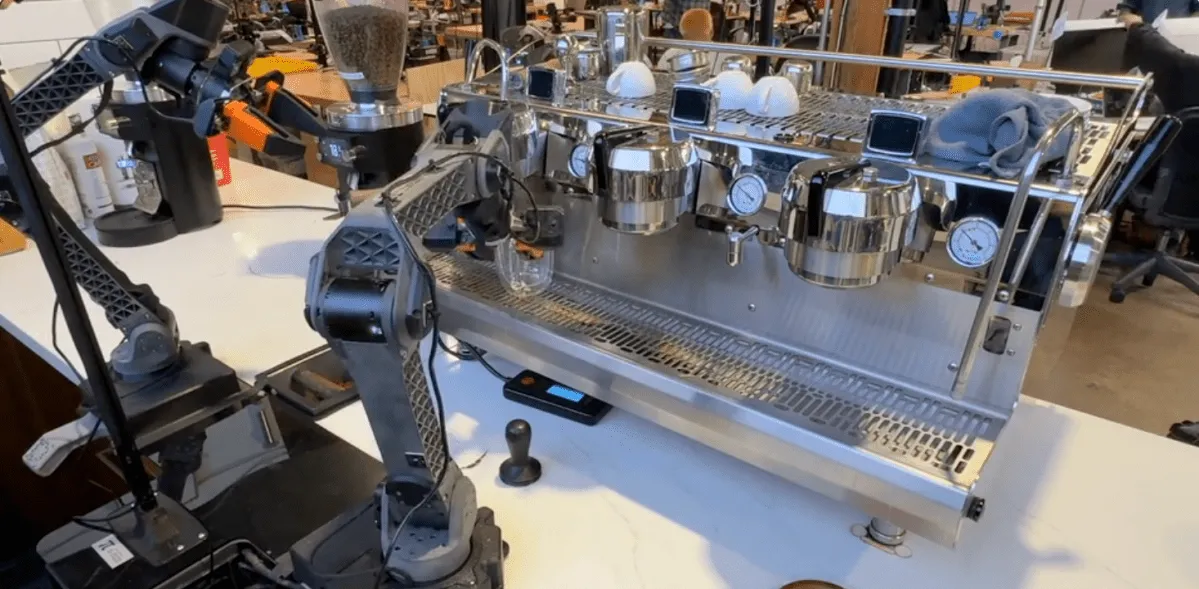
According to TechCrunch, BMW i Ventures is zeroing in on startups working on agentic AI and physical AI. For the uninitiated: agentic AI is basically AI that doesn't just answer your questions but actually goes off and does things autonomously. Physical AI, meanwhile, is about getting artificial intelligence to operate in the messy, chaotic real world - think robots, factory floors, and anything that involves gravity.
Rounding out the portfolio wishlist are industrial software, advanced materials, and manufacturing and supply chain technologies. In other words, BMW isn't just chasing the AI hype train - they want the AI that actually makes the trains (and the cars, and the parts, and the factories that build both) run better.
Why this actually matters
Here's the thing: when a company like BMW puts $300 million behind something, it's not a casual interest. These are people who have a very direct, very expensive stake in whether manufacturing technology improves. Supply chains nearly broke the entire auto industry a few years back - remember the global chip shortage that meant you couldn't buy a new car without waiting eight months and performing a ritual sacrifice?
BMW betting on supply chain and manufacturing tech isn't just corporate FOMO. It's a company trying to make sure it never gets caught with its lederhosen down again.
The AI angle is the spicy part
The move toward agentic and physical AI is particularly telling. The industry has already squeezed a lot of juice out of traditional automation. The next frontier is AI systems that can reason, adapt, and operate without someone holding their hand every step of the way - especially on factory floors where conditions change constantly and mistakes cost real money.
BMW i Ventures is essentially trying to fund the future of how things get made, not just the future of what gets made. And if some of these startups pan out, the ripple effects go well beyond cars.
Whether or not any of this translates into a better driving experience for the person stuck in traffic behind a Bavarian sedan is a separate question entirely. But as far as corporate venture bets go, this one has a logic to it that's hard to argue with.
Three hundred million reasons hard, specifically.