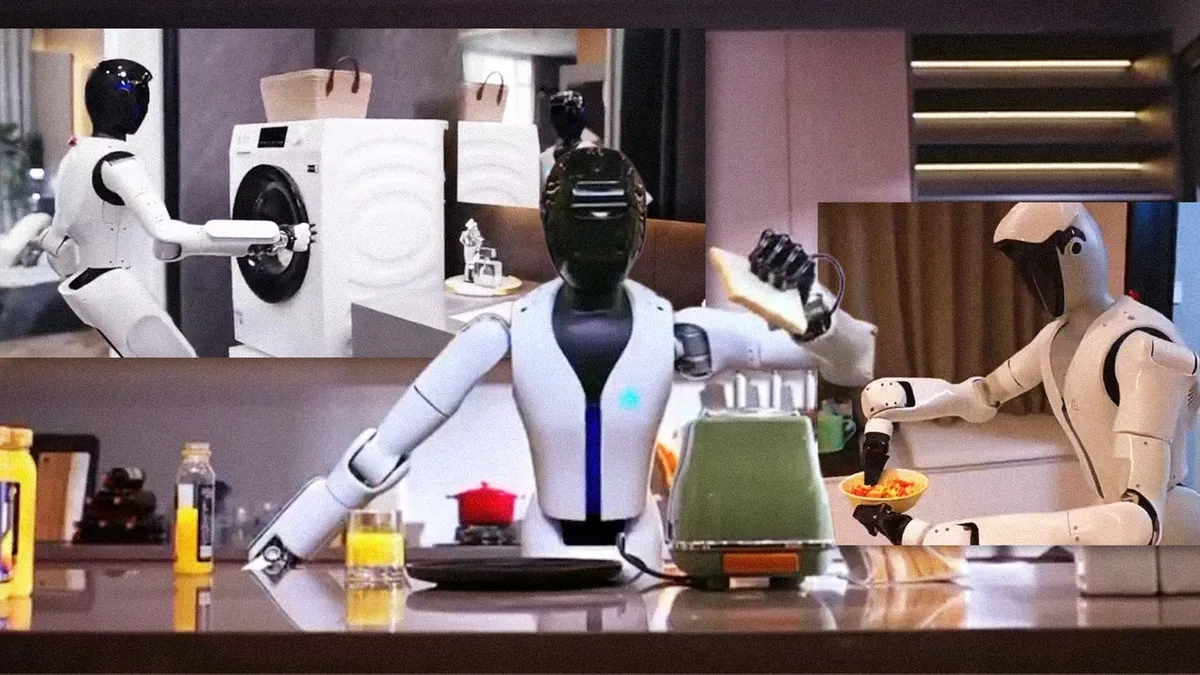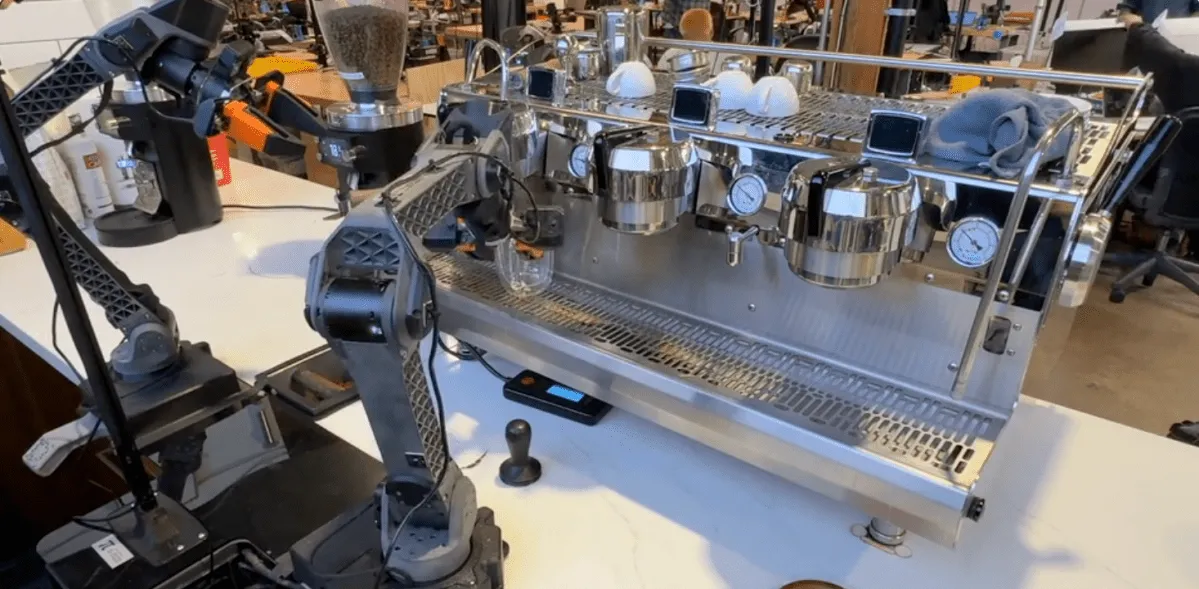
Remember when robots were just those sad little Roombas bumping into your coffee table? Yeah, those were simpler times. A robotics startup called Physical Intelligence just announced something that makes the Roomba look like a wind-up toy: a robot brain that can figure out tasks it was never actually taught.
Wait, what exactly is happening here?
The new model, called π0.7 (yes, they named it after pi, because of course they did), is being described by the company as an early but meaningful step toward a general-purpose robot brain. That's the holy grail of robotics - a single AI system that can handle basically anything you throw at it, rather than a hyper-specialized bot that's great at exactly one thing and completely useless at everything else.
According to TechCrunch, Physical Intelligence is positioning this as a genuine milestone, not just another incremental update dressed up in marketing language. The key claim is generalization - the ability to transfer knowledge across tasks the system was never explicitly trained on. That's the hard problem. That's the one that has made robotics researchers age prematurely for decades.
Why this actually matters
Here's the thing about most robots today: they're basically very expensive, very dumb one-trick ponies. Train a robot arm to sort red blocks and it will sort red blocks beautifully forever. Ask it to sort blue blocks and it will have an existential crisis. Getting a system to generalize - to reason about novel situations using learned principles - has been the gap between "cool demo" and "actually useful in the real world."
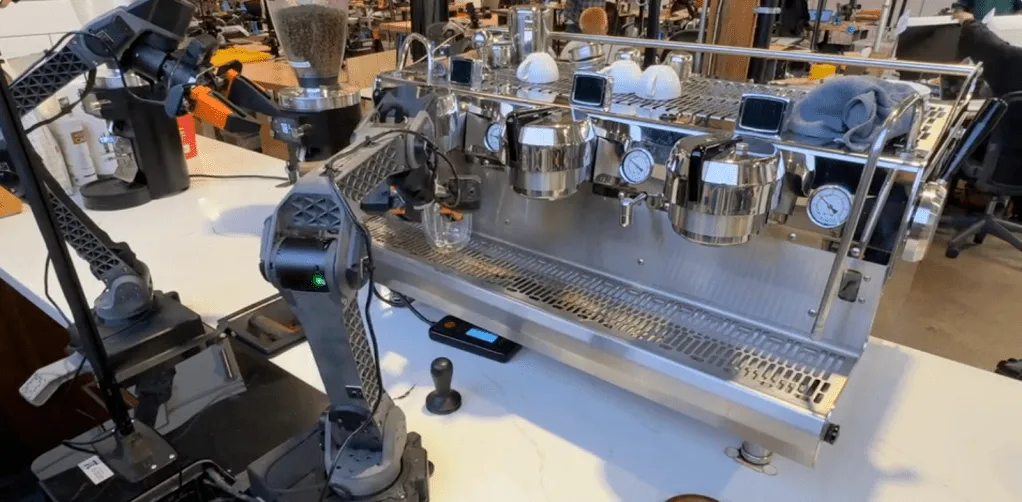
Physical Intelligence, which has been one of the more buzzed-about names in the robotics space, is explicitly going after that gap. π0.7 isn't claiming to be a fully general system yet. The word "early" is doing some heavy lifting in their announcement. But even a credible early step in this direction is worth paying attention to.
Should you panic? (Asking for a friend)
Probably not yet. "Can figure out tasks it was never taught" sounds alarming until you remember we're still largely talking about physical manipulation tasks, not philosophical reasoning or, like, filing your taxes. The gap between a robot that can generalize across household chores and one that achieves anything resembling general intelligence is still enormous.
But the trajectory here is genuinely interesting. Every year, the goalposts for what robots "can't do" get a little narrower. Physical Intelligence seems to be one of the startups actually pushing on the right problems, not just building faster assembly line arms.
The Roomba still has a few good years left. Probably.