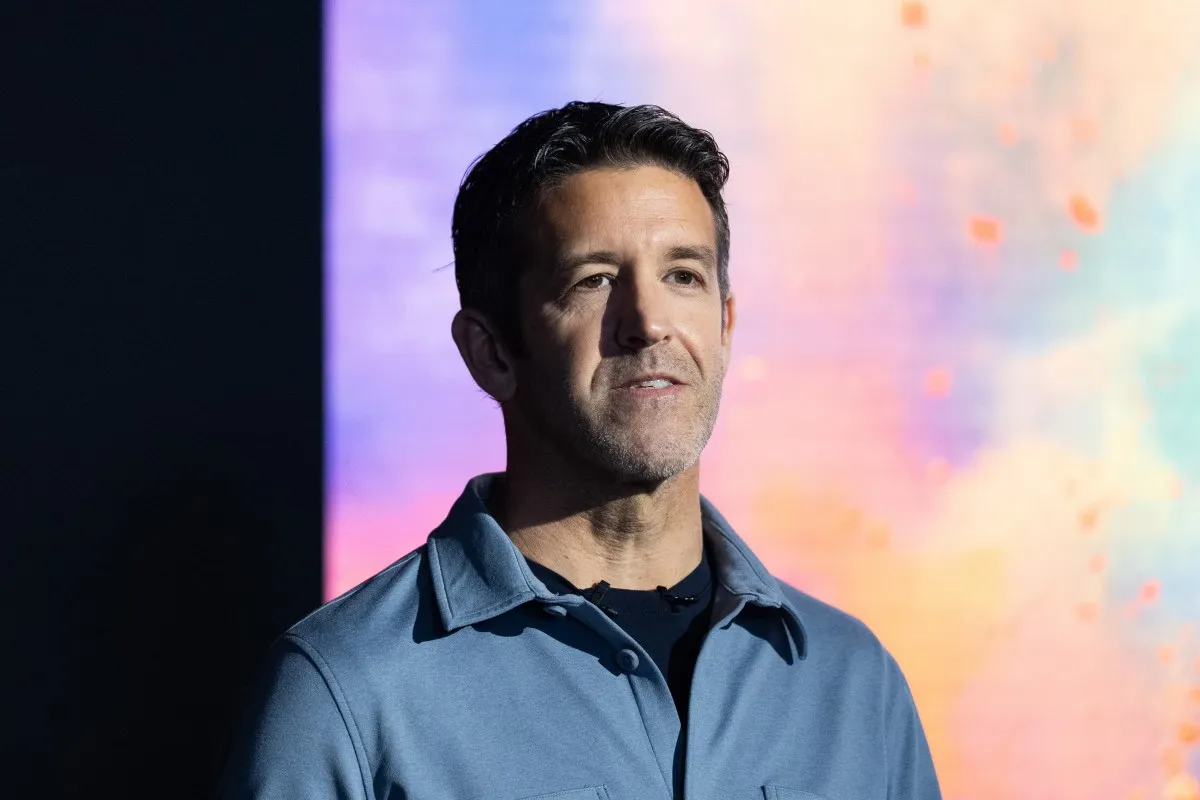
If you want to understand where a company is headed, look at who they put in charge. Apple's decision to elevate John Ternus to CEO is a loud, clear signal: hardware is back at the center of the story.
Ternus isn't a services guy or a finance wizard. He's spent his career at Apple obsessing over the physical objects the company makes - the way a hinge works, the feel of a chassis, the engineering decisions that turn a slab of aluminum and glass into something people genuinely love. According to reporting by TechCrunch, that background is likely to shape Apple's entire strategic direction in the years ahead.
Why this actually matters
For a while now, Apple's big growth narrative has been built around services - subscriptions, the App Store, Apple TV+, iCloud. That's been a reliable money machine, but it's also felt, to some observers, like the company was leaning on its existing device base rather than wowing the world with new ones.
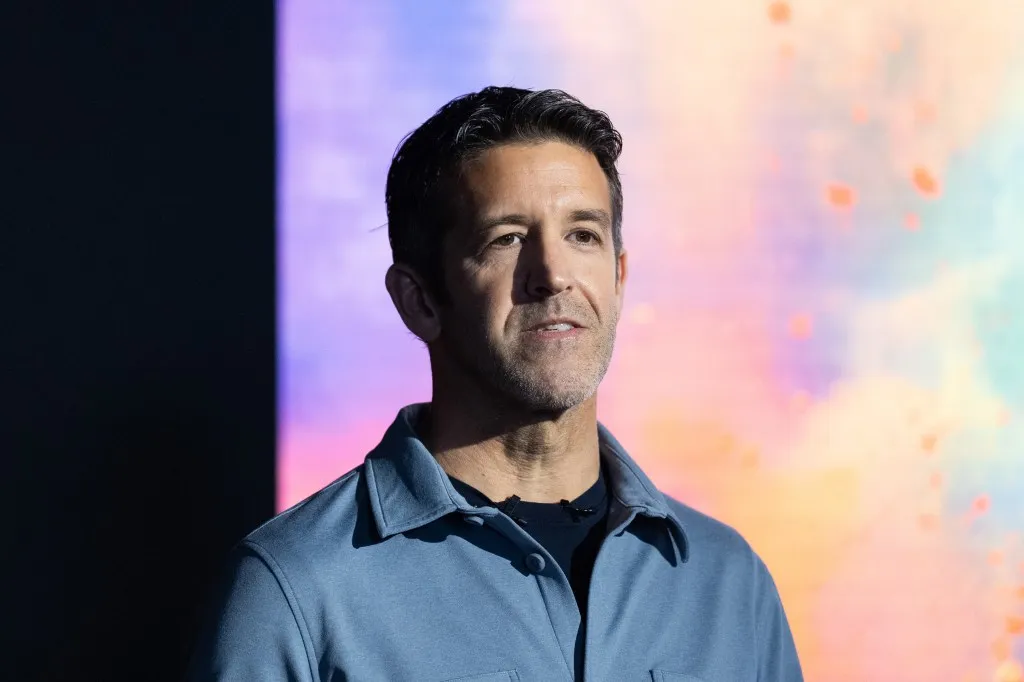
A hardware-focused CEO changes the internal calculus. When the person at the top genuinely cares about what the products feel like in your hand, those priorities tend to filter all the way down through engineering, design, and even marketing.
What could actually change
The honest answer is that big strategic shifts take time to show up in real products. Apple's roadmap is planned years in advance, so the first few product cycles under Ternus will likely reflect decisions already in motion. But the longer-term picture could look meaningfully different.
Think about the categories Apple has been circling without fully committing to - mixed reality, wearables beyond the watch, the future of the Mac lineup. A leader who gets genuinely excited about engineering challenges might push harder and faster in those directions than a CEO whose instincts run more toward recurring revenue.
There's also the question of what hardware-first thinking does to Apple's relationship with AI. Rather than treating AI as a product in itself, a hardware-minded CEO might see it primarily as a way to make devices smarter and more indispensable - which is arguably a more Apple-like approach anyway.
The bigger picture
Apple built its cultural authority on making things people couldn't imagine living without. The iPhone, the original MacBook Air, the AirPods - these weren't just products, they were moments. Putting a hardware devotee in the CEO seat feels like a bet that those moments still matter more than any subscription plan.
Whether Ternus can actually deliver on that potential is the interesting question. But as leadership signals go, this one is worth paying attention to.