Apple spent years making everyone feel slightly embarrassed for Siri at family dinners. Then, finally, it showed up with a glow-up - smarter, more capable, actually useful. Great news, right? Well, not if you live in the EU. Because Apple has decided that European iPhone users simply do not get nice things.
The AI that will not cross borders
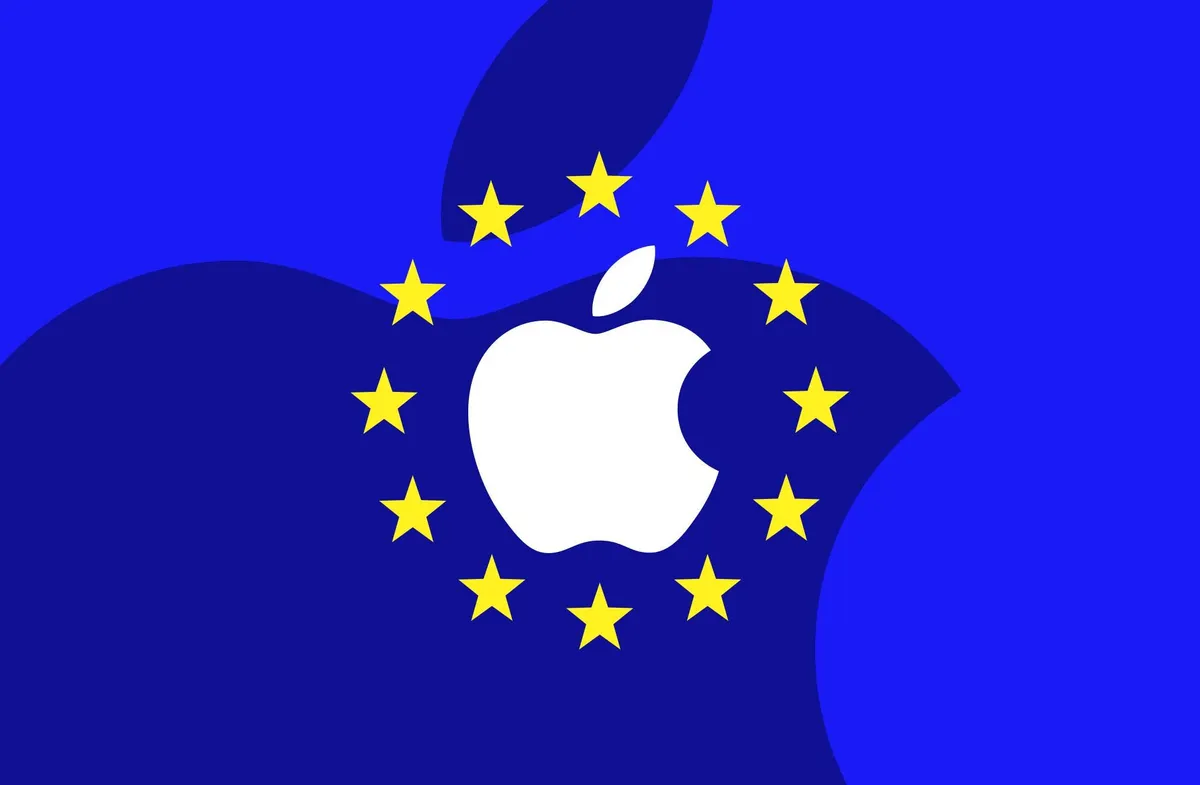
According to reporting by The Verge, Apple is withholding its new AI-powered Siri from iPhones and iPads in the European Union, citing the Digital Markets Act - the EU's competition law designed to stop big tech companies from using their platforms as moats to drown out rivals.

Now here's where it gets spicy. The DMA requires Apple to open up its platform more to third-party developers and competitors. Apple's argument, essentially, is that complying with those rules makes it impossible to also roll out its AI features. So rather than figure it out, they're just... not doing it. No AI Siri for you, Europe. Go touch grass.
Who's really pulling the strings here
The move is classic Apple crisis PR. Instead of quietly delaying the feature, they've made sure everyone knows exactly who to blame - the EU. It's a pressure play. Apple is essentially daring European regulators to blink, hoping that public frustration from millions of locked-out iPhone users will create political heat on Brussels.
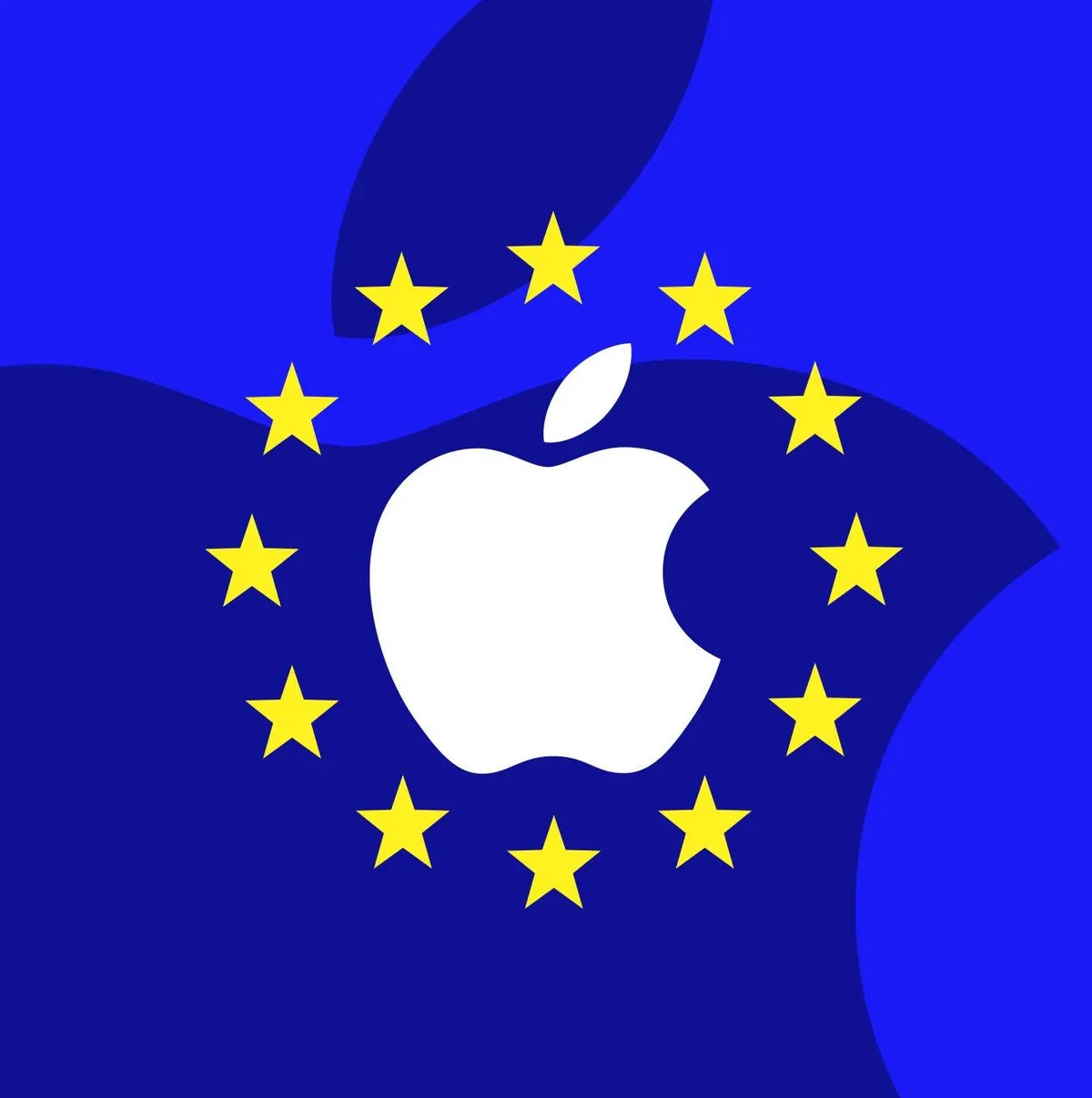
It's a bold strategy. And honestly, a little cheeky. The EU passed the DMA to protect consumers and competition. Apple is now using those same consumers as leverage against the very rules meant to protect them. That's some next-level political judo right there.
Why this matters beyond the drama
This isn't just a tech story - it's a preview of what happens when an unstoppable regulatory force meets an immovable trillion-dollar company. The EU has been the most aggressive regulator of big tech in the world, and Apple clearly wants to make an example out of this standoff.

For regular iPhone users in Europe, the message is uncomfortable: your device, which you paid full price for, will quietly fall behind its counterparts elsewhere. Not because of hardware limits. Not because of software constraints. Because of a corporate chess match happening several pay grades above your head.
So next time your Siri fumbles a basic calendar request while your friend in the US gets a genuinely helpful AI assistant, just know - someone in a boardroom decided that was fine. Totally fine.