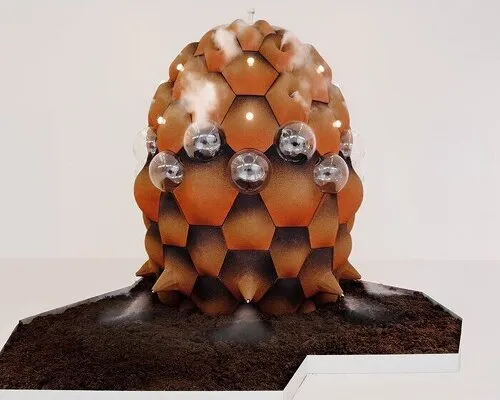
What if utopia wasn't some distant, impossible ideal but something quietly taking root right now, in the gaps and margins of the world we already live in? That's the animating idea behind the work of Andrés Jaque, founder of the Office for Political Innovation - and it reframes what architecture can actually do.
In a recent interview covered by Designboom, Jaque articulated a vision of architecture that goes far beyond buildings and blueprints. For him, the discipline is a way of turning dreams of change into actionable, tangible realities. His phrase for it is both poetic and surprisingly practical: utopia is growing within the cracks.
Architecture as a social act
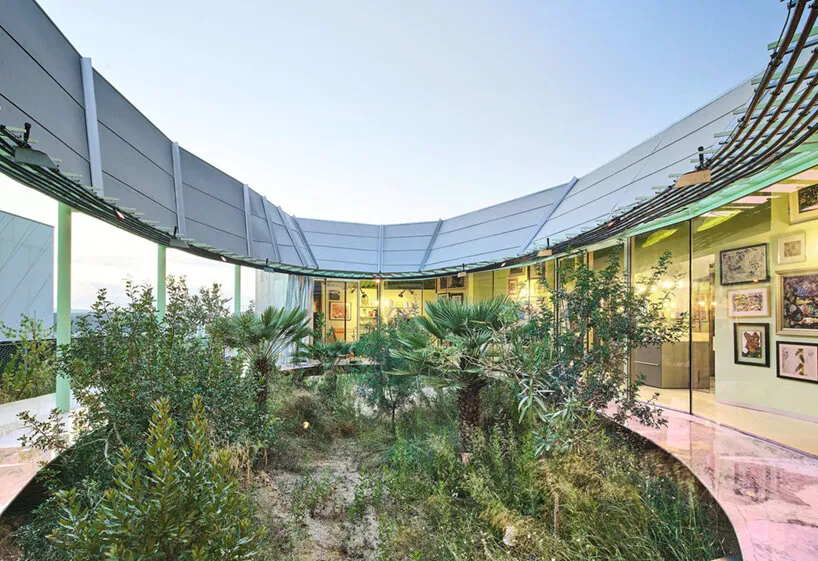
What makes Jaque's approach stand out in a field often defined by grand gestures and landmark structures is his insistence on direct engagement - with materials, yes, but also with the social processes that surround them. Architecture, in this framing, isn't just what gets built. It's the relationships, conversations, and political possibilities that emerge through the act of building.
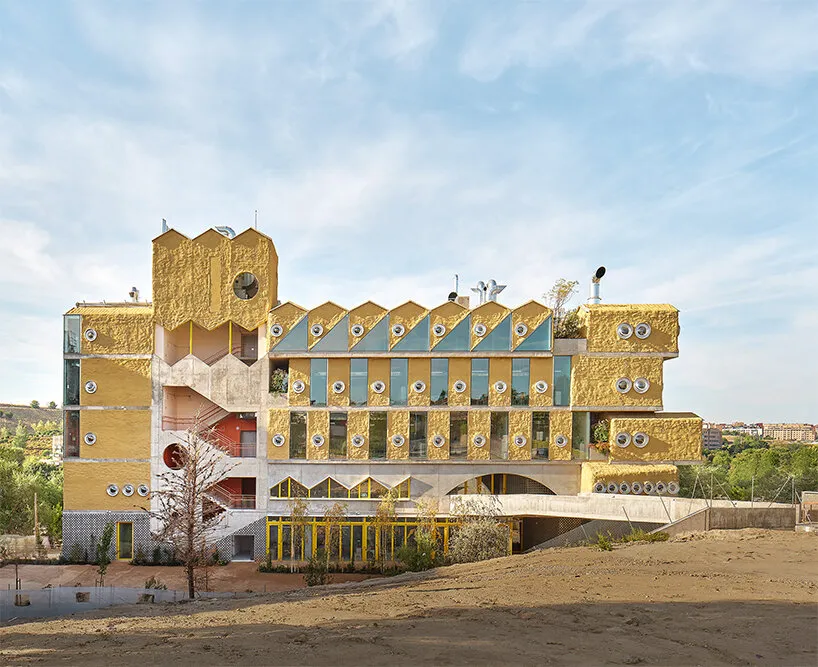
This matters because it shifts the conversation from aesthetics to agency. A lot of contemporary architecture gets discussed in terms of form and function. Jaque is more interested in what a space enables people to do, feel, and become. That's a more demanding ask of the built environment - and a more exciting one.
Why this resonates right now
There's something genuinely refreshing about an architect who takes the word "political" seriously, not as a brand statement but as a working method. The Office for Political Innovation treats design as a form of direct engagement with the world's messiness rather than an attempt to smooth it over.
In an era when a lot of utopian thinking can feel either naively optimistic or hopelessly vague, Jaque's framework offers something more grounded. Possibility, in his work, isn't abstract. It's embedded in specific materials, specific communities, and specific moments of friction where things could genuinely go differently.
For anyone who's ever felt the gap between how things are and how they could be, that's a quietly radical proposition. The cracks, it turns out, might be exactly where to look.