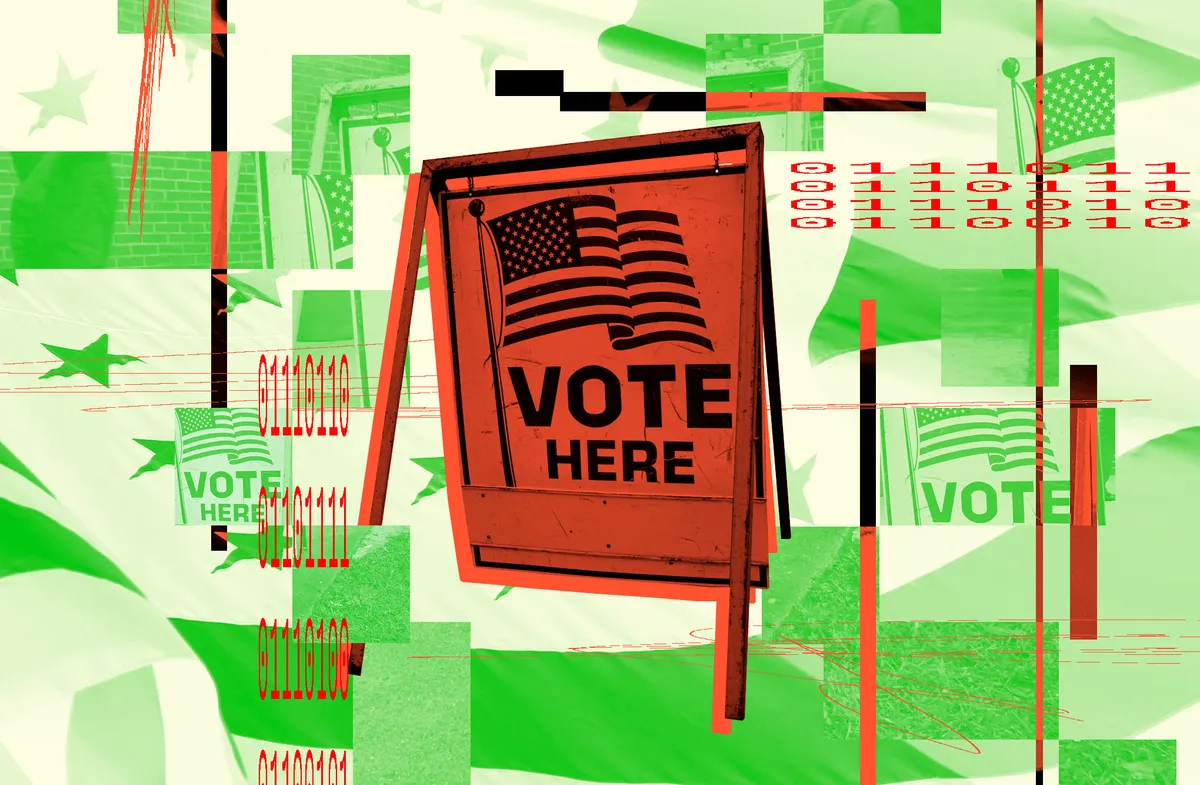
Ask almost any American what they think about AI right now and you will get an earful. Communities are pushing back against data center construction, protests are stalling projects across the country, and online anger directed at tech executives has reached a pitch that sometimes edges into genuinely alarming territory.
So why aren't politicians talking about it more?

That is the question experts are increasingly asking as the next election cycle heats up. Despite widespread public concern, AI has remained a surprisingly low-priority issue for most campaign platforms - something that looks stranger by the day as the technology reshapes jobs, communities, and daily life at a rapid pace.
The numbers are hard to ignore
According to polling by Ipsos cited by The Verge, more than 60 percent of both Republicans and Democrats agree that the government should be doing more to regulate AI. That is a rare moment of bipartisan alignment in an era where agreement across party lines is almost unheard of.
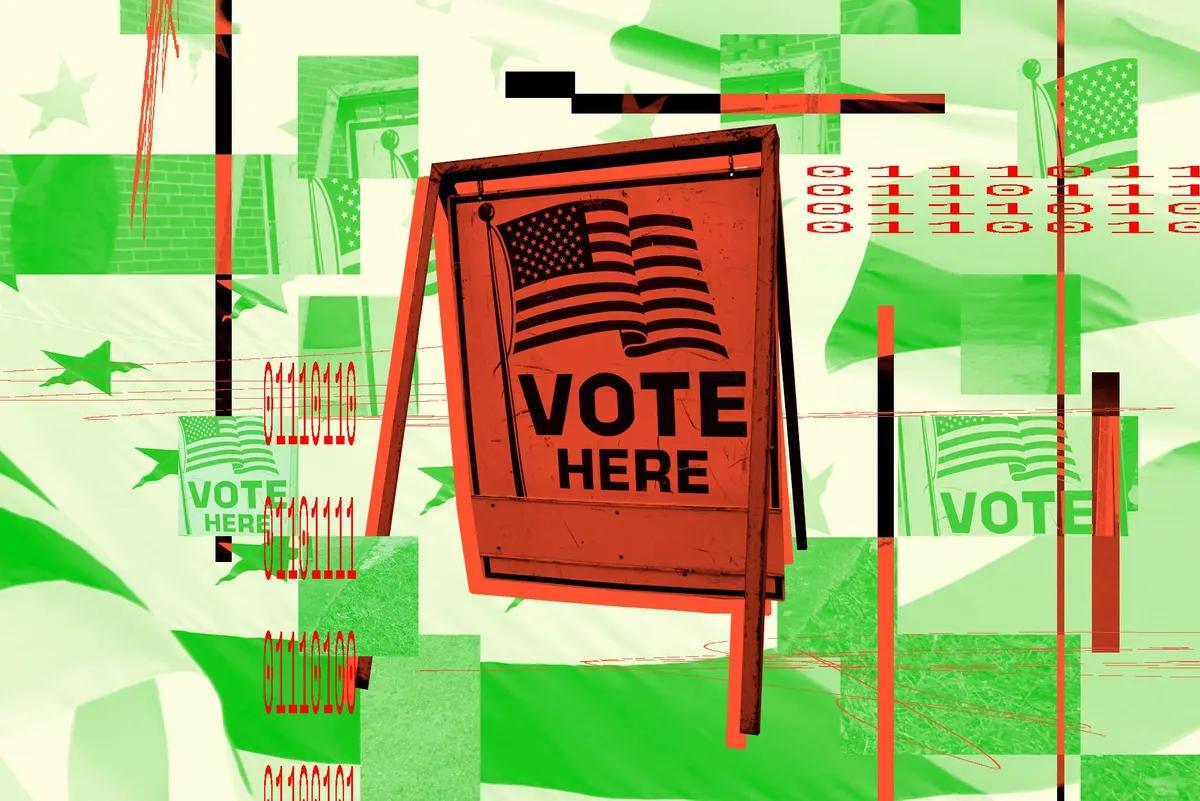
That kind of cross-aisle consensus is exactly the sort of thing campaigns are supposed to jump on. Yet so far, most have not.
Why the disconnect?
Part of it likely comes down to complexity. AI is a genuinely difficult subject to campaign on - it does not fit neatly into a soundbite, and the policy solutions are not obvious or simple. Energy costs, job displacement, data privacy, national security - the issues attached to AI sprawl in every direction.

But the backlash is becoming harder to sidestep. Local resistance to data centers - which require enormous amounts of land, water, and electricity - has become a tangible, visible issue in communities that might otherwise seem far removed from Silicon Valley debates. When a tech giant wants to build a facility near your town, suddenly AI policy is very much a local concern.
A campaign issue waiting to happen
Experts suggest that the midterms could mark a turning point. The ingredients are already there: public anxiety, clear polling signals, and a growing number of communities with direct, material grievances against the industry's expansion.
For candidates willing to do the work of translating complex tech policy into real-world stakes - jobs, energy bills, community planning - there is a genuine opening here. Voters clearly want someone to take this seriously.
The question is which campaigns figure that out first.