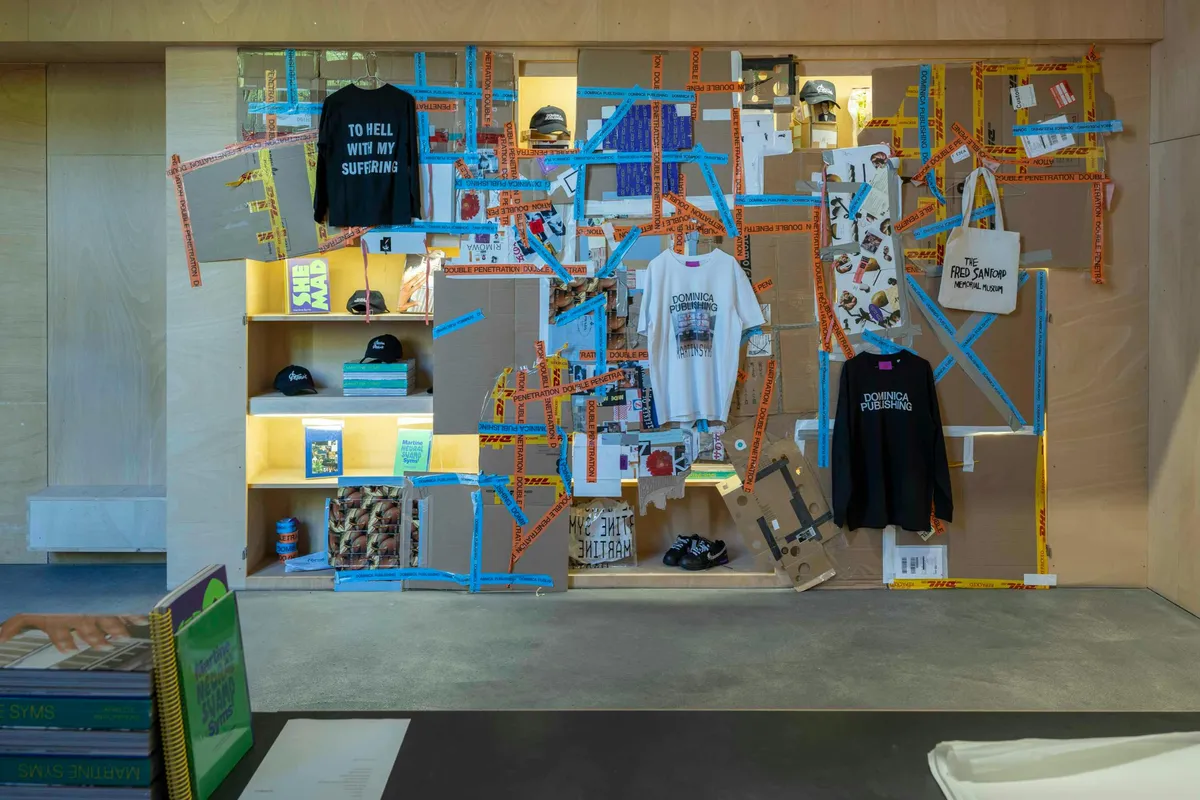
What if the most interesting thing at one of Europe's biggest art weekends wasn't a painting on a white wall, but a store you could actually buy things from? That's exactly the conversation Martine Syms sparked at Gallery Weekend Berlin with her Dominica Publishing space - and it turns out collapsing the boundary between art and commerce can say something genuinely sharp about where we are right now.
Art that knows what it is
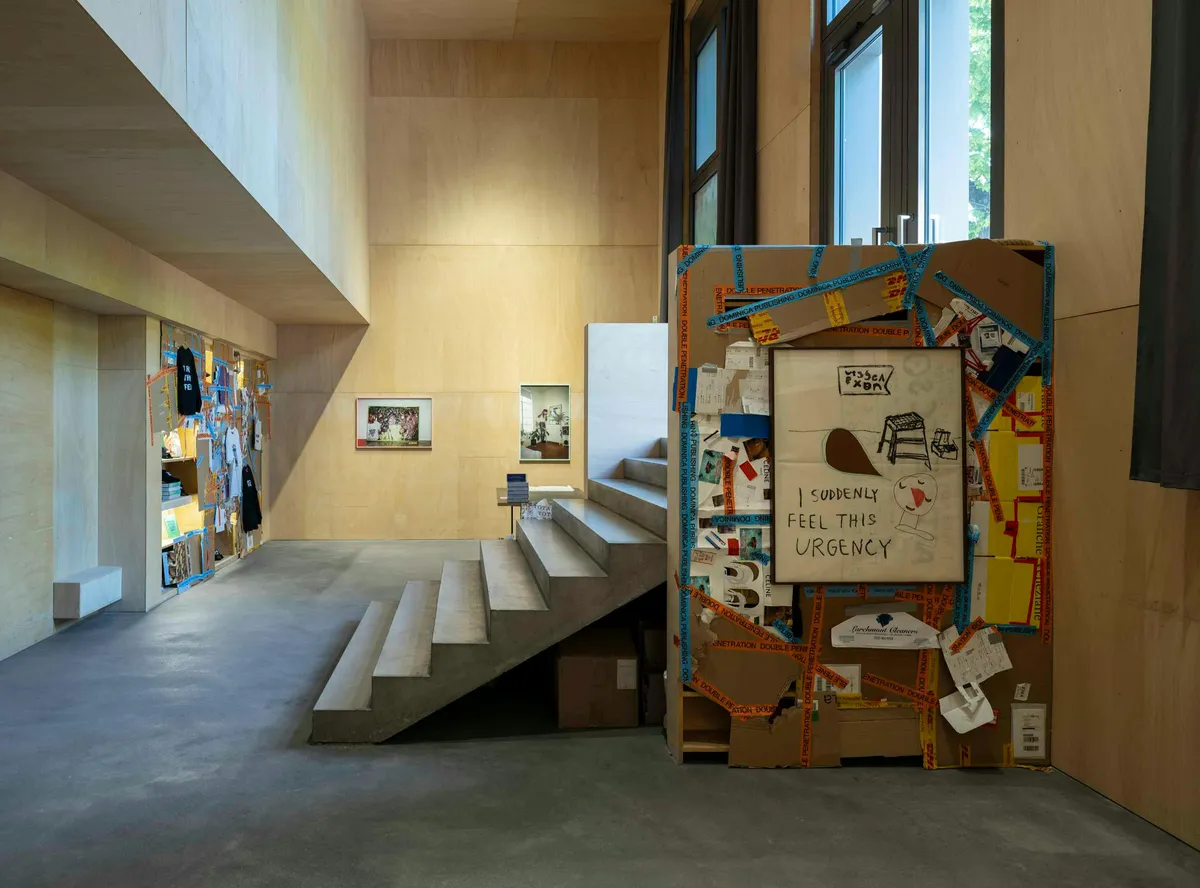
The setup was deliberately blurring the line. Dominica Publishing functioned as a shoppable space, inviting visitors to engage with objects and ideas in a way that a traditional gallery setting typically discourages. No velvet ropes, no hushed reverence - just the slightly thrilling feeling of being able to take something home.
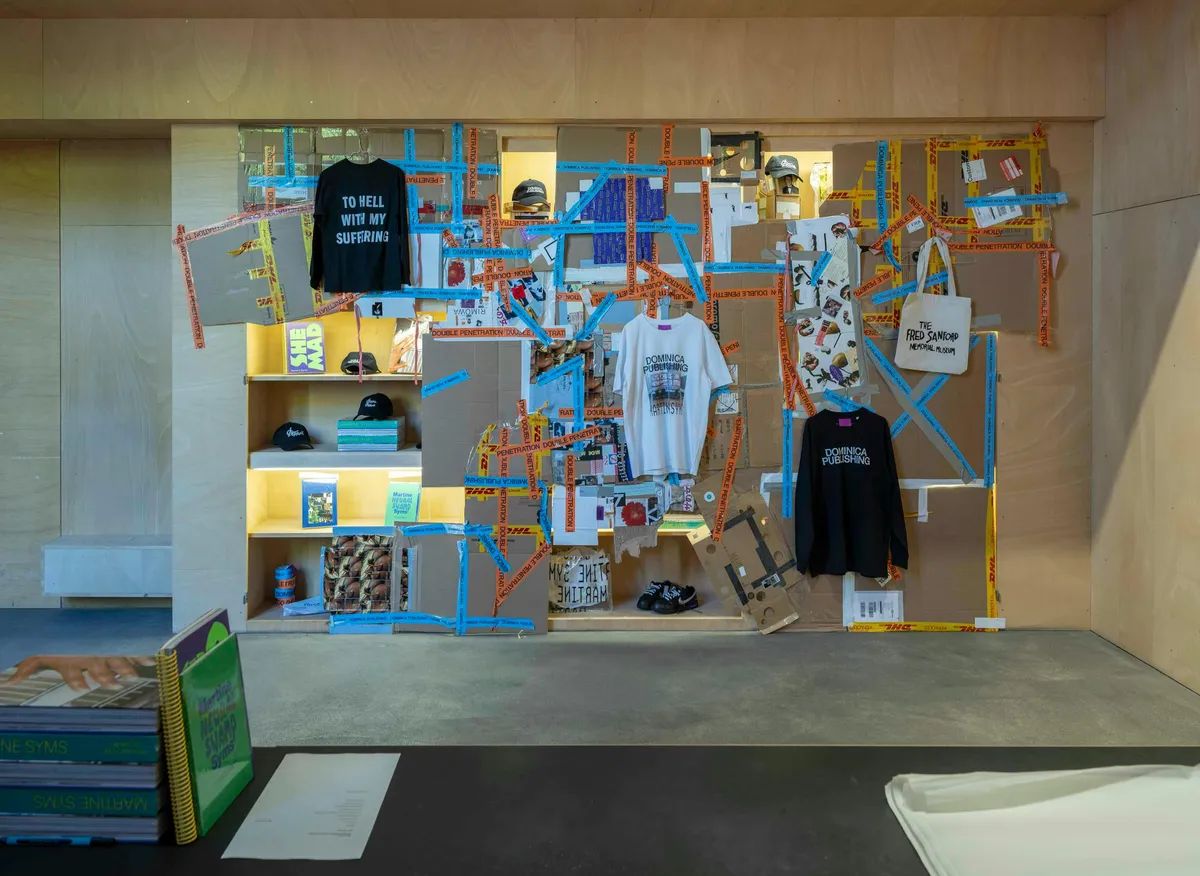
That might sound like a gimmick, but in Syms' hands it reads more like a provocation. The question she seems to be asking is one worth sitting with: if art has always been bought and sold, why do we still perform the ritual of pretending it isn't? A shoppable gallery show doesn't lower art to the level of commerce - it just stops pretending the two were ever separate.
Why this feels timely
There's a reason this kind of work lands differently in 2025. We're living through a moment where the aesthetics of retail and the language of culture have become almost completely intertwined. Brand drops feel like cultural events. Museum gift shops are pilgrimages. The line between a carefully curated store and a well-designed exhibition has been thinning for years.
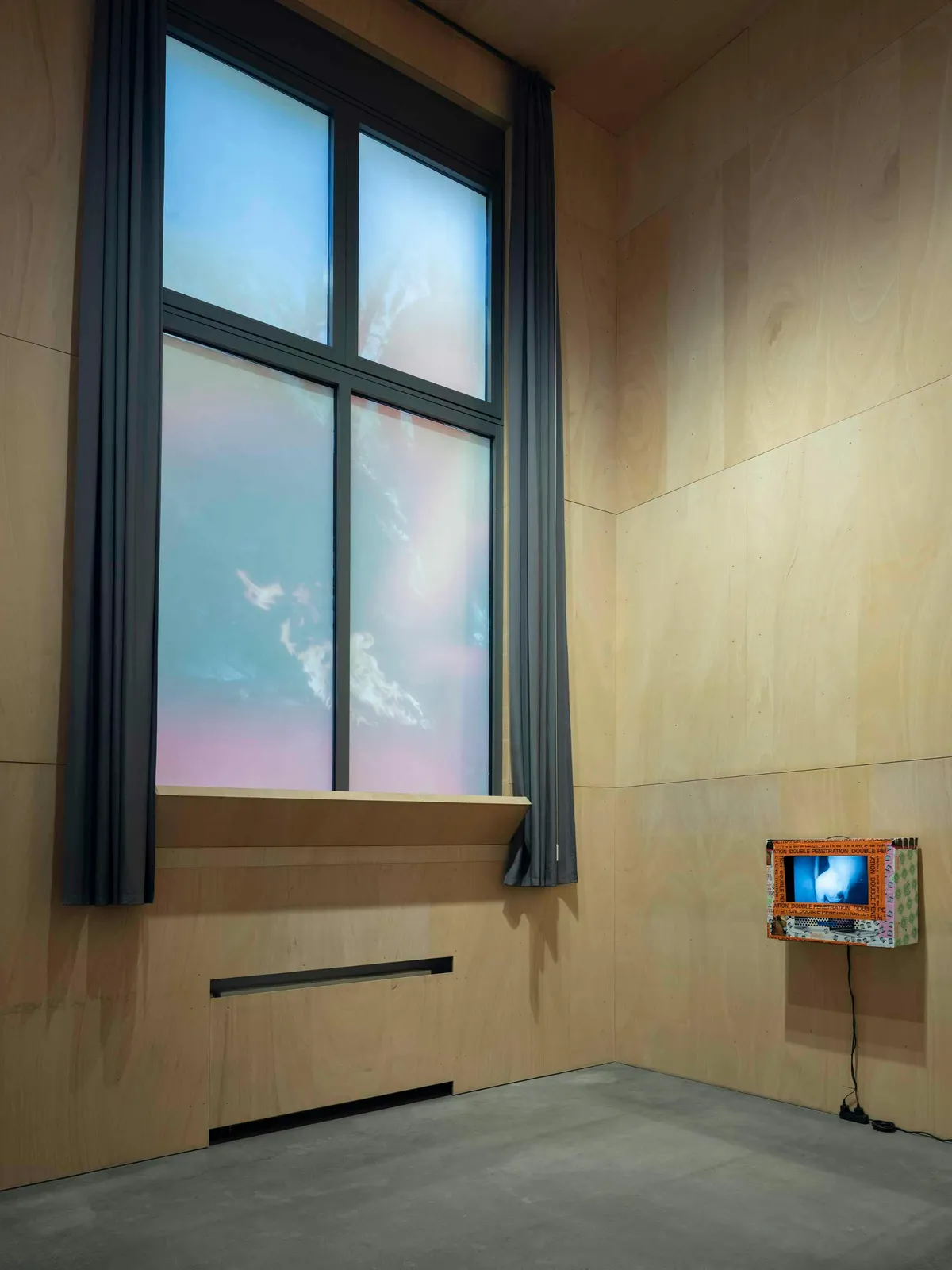
Syms, who is known for work that interrogates Black representation, technology, and everyday life, seems to understand this better than most. Dominica Publishing isn't just a side project - it's an extension of how she thinks about who gets to make culture, who gets to sell it, and who ultimately profits.
The bigger picture
According to Highsnobiety, the Dominica Publishing space was arguably the standout moment of Gallery Weekend Berlin - a strong claim in a city with no shortage of serious art energy. The fact that the most talked-about show was also a store feels significant. It suggests audiences are hungry for art experiences that acknowledge reality rather than float above it.
There's something refreshing about a show that doesn't ask you to suspend disbelief about economics while you're standing inside an economic transaction. That honesty, dressed up in genuinely smart creative thinking, might just be the move that makes Dominica Publishing worth watching well beyond Berlin.