Here's a fun paradox to ruin your Tuesday: artificial intelligence is arguably the most hyped technology of our generation, and Americans increasingly can't stand it. Not in a 'I'm scared of the microwave' kind of way - in a genuine, polling-data-backed, opinions-are-actively-getting-worse kind of way.
According to recent Pew Research Center data highlighted by Fast Company, while most Americans clock that AI is kind of a big deal, the emotional temperature is firmly in 'concerned' territory rather than 'excited.' Quinnipiac surveys back this up with a particularly spicy twist: opinions are souring even as actual usage climbs. People are using it more AND liking it less. That's a bold combination.
So what's the beef, exactly?
The list of grievances reads like a villain origin story. AI gets blamed for job losses, academic cheating, confidently wrong answers delivered with unearned authority, and an energy consumption footprint that would make a coal plant blush. It's the technology that somehow manages to feel both omnipresent and untrustworthy at the same time - like if your GPS kept giving you directions and also kept being slightly wrong about them.
There's also the creativity and relationships angle flagged in the Pew polling, which is particularly interesting. People aren't just worried about losing their jobs - they're worried about losing something harder to quantify. The stuff that makes us feel human. Which is, you know, a reasonable thing to worry about.
And the CEOs... are not exactly helping
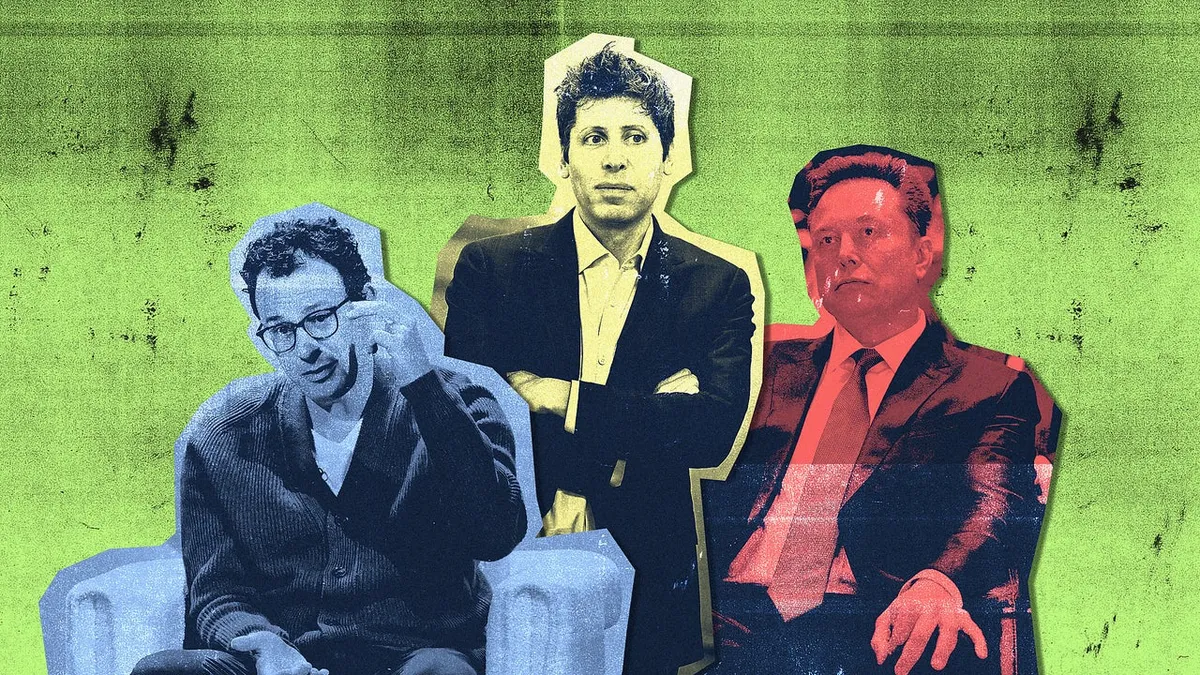
This is where it gets delicious. The people best positioned to rehabilitate AI's image - the executives whose entire net worth depends on public buy-in - are apparently doing a bang-up job of making things worse. Fast Company's framing is pointed: AI's got a brand problem, and the CEOs aren't helping.
It tracks. When the faces of your industry are more associated with utopian manifestos, congressional grilling sessions, and the occasional unhinged social media post than with reassuring, relatable communication, you're probably not moving the needle on public trust.
Why this actually matters
Here's the thing: brand perception isn't just a vibes problem. It shapes regulation, adoption, and how much friction AI tools face in workplaces, schools, and living rooms. A technology that people distrust at a gut level - even while using it - is a technology walking a weird, unstable tightrope.
The gap between 'I use it' and 'I like it' is exactly where bad policy, panic legislation, and genuinely missed opportunity live. Turns out you can't just build something world-changing and assume the world will simply be fine with it. Who knew.