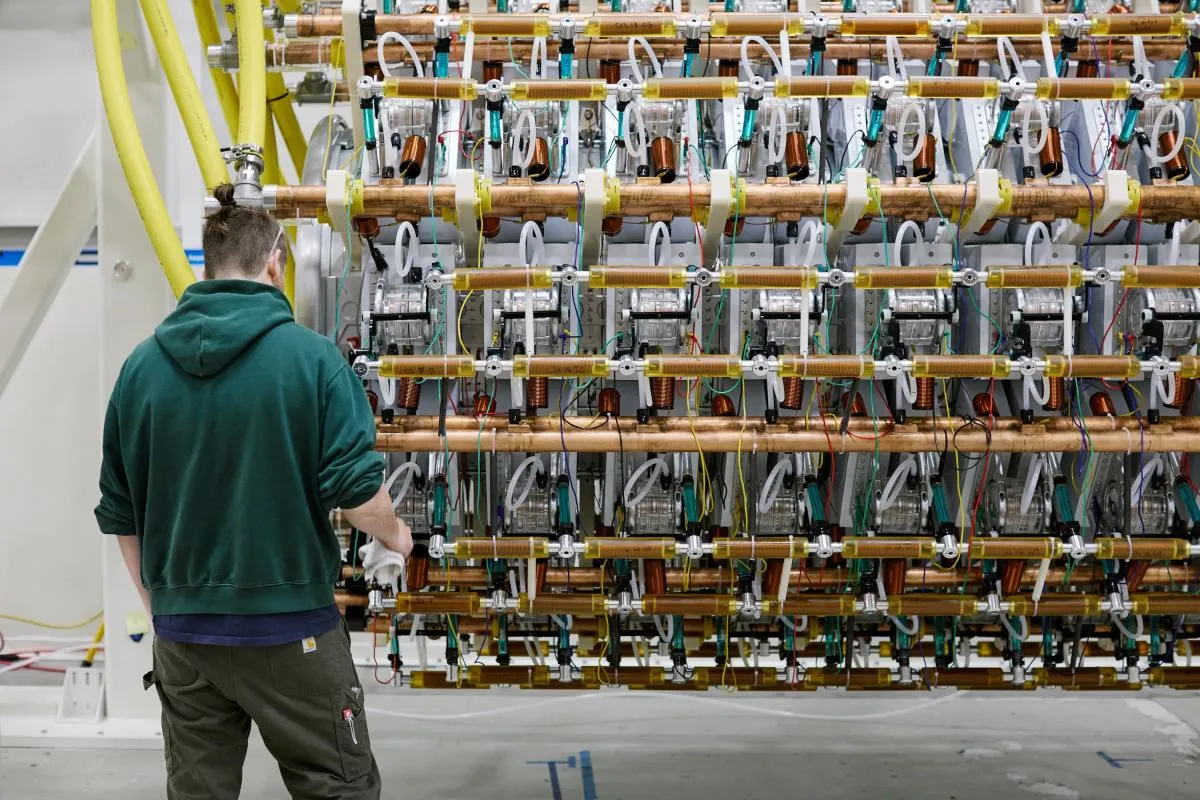
Okay, let's put some numbers in perspective real quick. 440 gigawatts. That's roughly four times the entire electrical generating capacity of the United States. Now imagine squeezing all of that into a burst lasting 80 nanoseconds - that's 0.00000008 seconds, for the non-physicists in the room.
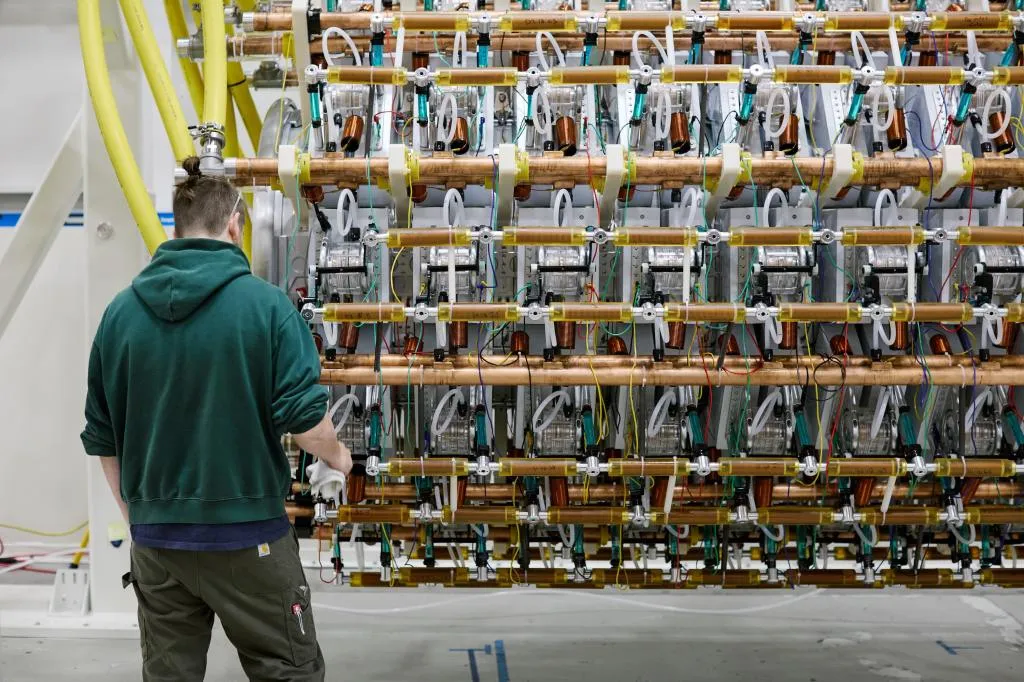
That's exactly what Pacific Fusion just pulled off with their sub-scale prototype, according to TechCrunch. And yes, your jaw is allowed to hit the floor.
Wait, fusion again? Is this the 'always 20 years away' thing?
Look, we know. Fusion energy has been the Charlie Brown football of clean power for decades - always promising, never quite there. But Pacific Fusion is doing something genuinely different. Instead of the plasma-in-a-magnetic-donut approach that most fusion outfits obsess over, they're going for what's called inertial confinement fusion, using massive pulses of energy to compress and ignite fuel targets.
The 80-nanosecond burst is the secret sauce here. You need insane amounts of power delivered insanely fast to make fusion ignition happen, and "440 gigawatts for 80 nanoseconds" is essentially the technical way of saying "we hit the target conditions."
So what happens now?
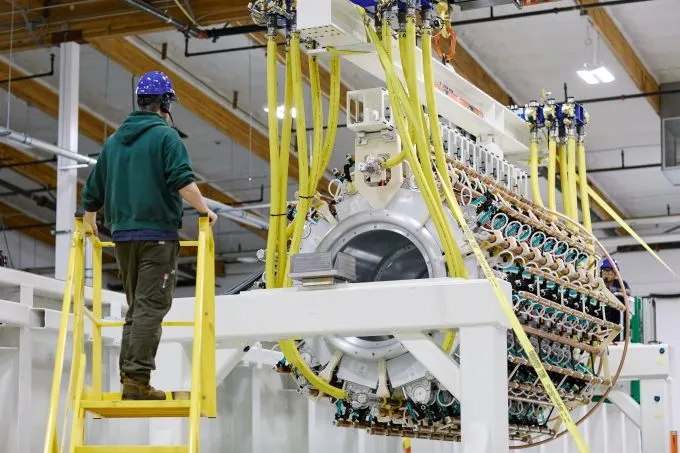
This prototype result isn't the finish line - it's the boarding pass. Pacific Fusion is using this milestone as the launchpad for their demonstration power plant, which would be the next major step toward showing that this approach can actually generate usable electricity rather than just very impressive press releases.
The fact that a sub-scale device is already hitting these numbers is meaningful. It means the underlying physics is cooperating, the engineering is scaling in the right direction, and the company isn't just vaporware dressed up in technical jargon.
Why should you actually care?
Because fusion energy - real, working, commercial fusion energy - would be among the most significant technological achievements in human history. We're talking about a virtually limitless source of clean power that produces no long-lived radioactive waste and runs on hydrogen isotopes found in seawater. It's not just a climate solution. It's a civilization-level upgrade.
Pacific Fusion just proved their machine can throw the kind of punch fusion ignition demands. Whether they can build something that punches reliably, economically, and at scale is the next mountain to climb. But for now, 440 gigawatts in 80 nanoseconds is a very, very good first swing.