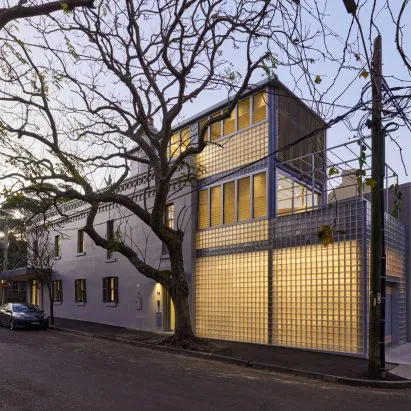
There's something quietly poetic about a pub becoming a home. The neighbourhood gathering place, now a private sanctuary - still anchored to the street, still part of the streetscape, but entirely reimagined from the inside out.
That's exactly what Australian studio Ian Moore Architects has pulled off in Surry Hills, one of Sydney's most characterful inner-city neighbourhoods. The project, now known as The Corner House, takes a 19th-century pub and transforms it into a three-bedroom residence with a seriously striking design move at its heart: a rear wing clad entirely in glass bricks, creating what the studio describes as a "wall of light."
Heritage bones, contemporary soul
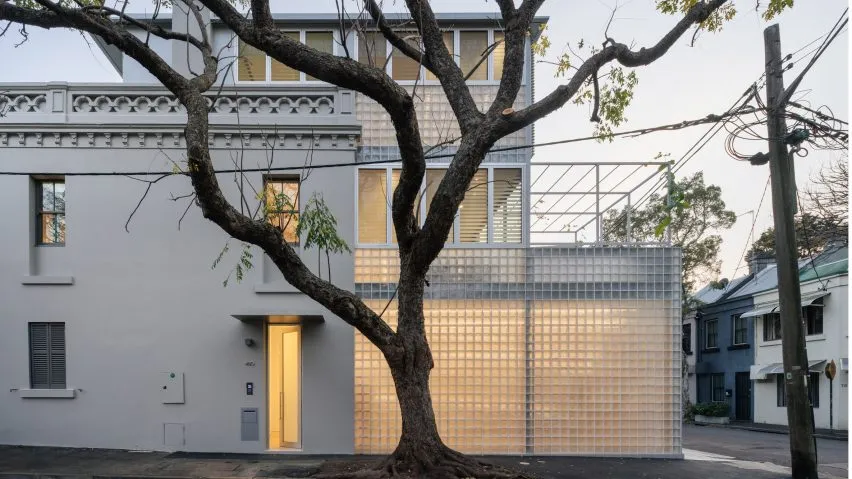
The building sits at the end of a row of Victorian terraces, which means it has always had a certain presence on the block. Rather than erase that presence, the adaptive reuse approach leans into it. The heritage structure is preserved and respected - this isn't a gut-and-rebuild story. It's more of a conversation between what was and what could be.
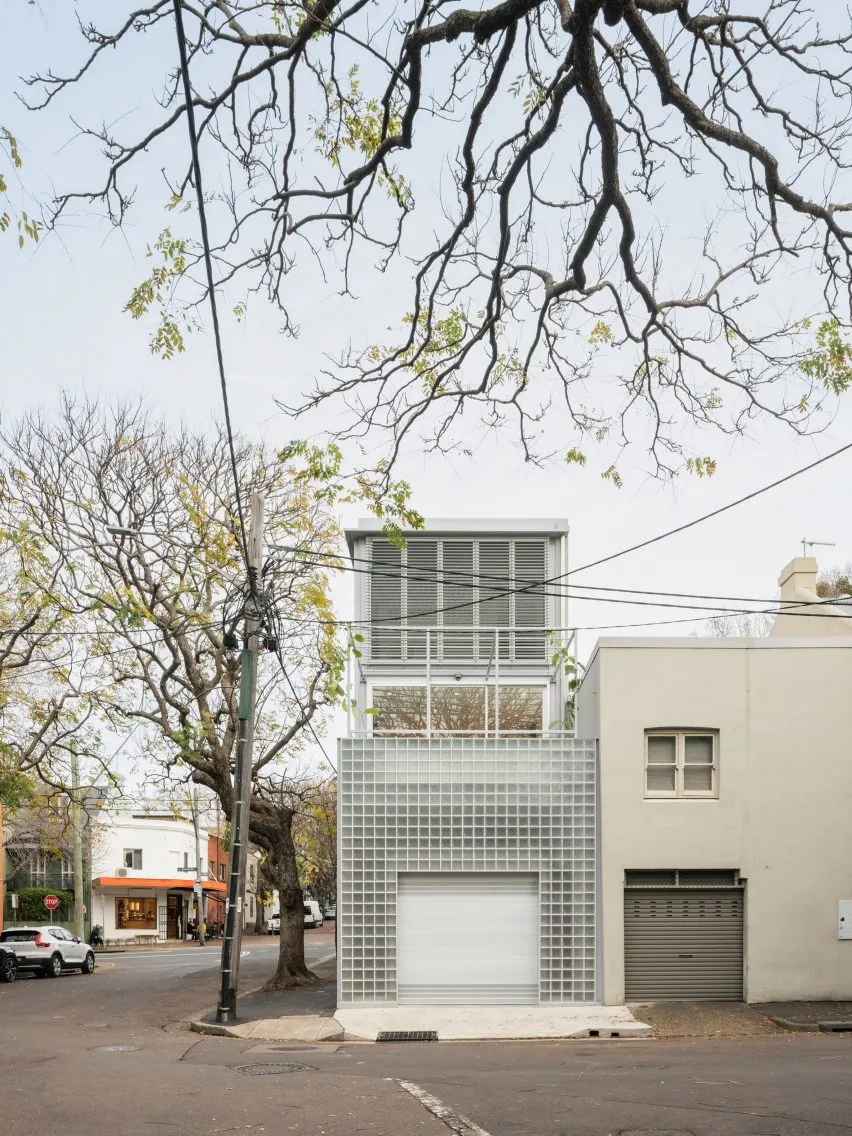
The glass brick addition at the rear is where that conversation gets really interesting. Glass bricks have had something of a design renaissance lately, popping up in everything from boutique hotels to high-end renovations, and it's easy to see why. They blur the line between transparency and privacy, letting light flood in without fully exposing what's inside. For a home, that balance is everything.
Why adaptive reuse is having its moment
Projects like The Corner House are a reminder of why adaptive reuse matters beyond just aesthetics. Retaining an existing structure - especially a heritage one - is almost always more sustainable than demolition and rebuild. It preserves the embodied energy already locked into the building's materials, and it keeps the character of a neighbourhood intact in a way that new construction rarely manages.
Surry Hills is a suburb that has changed enormously over the decades, but it still has the kind of layered, human-scale streetscape that people genuinely love to live in. A sensitively converted pub fits right into that story.
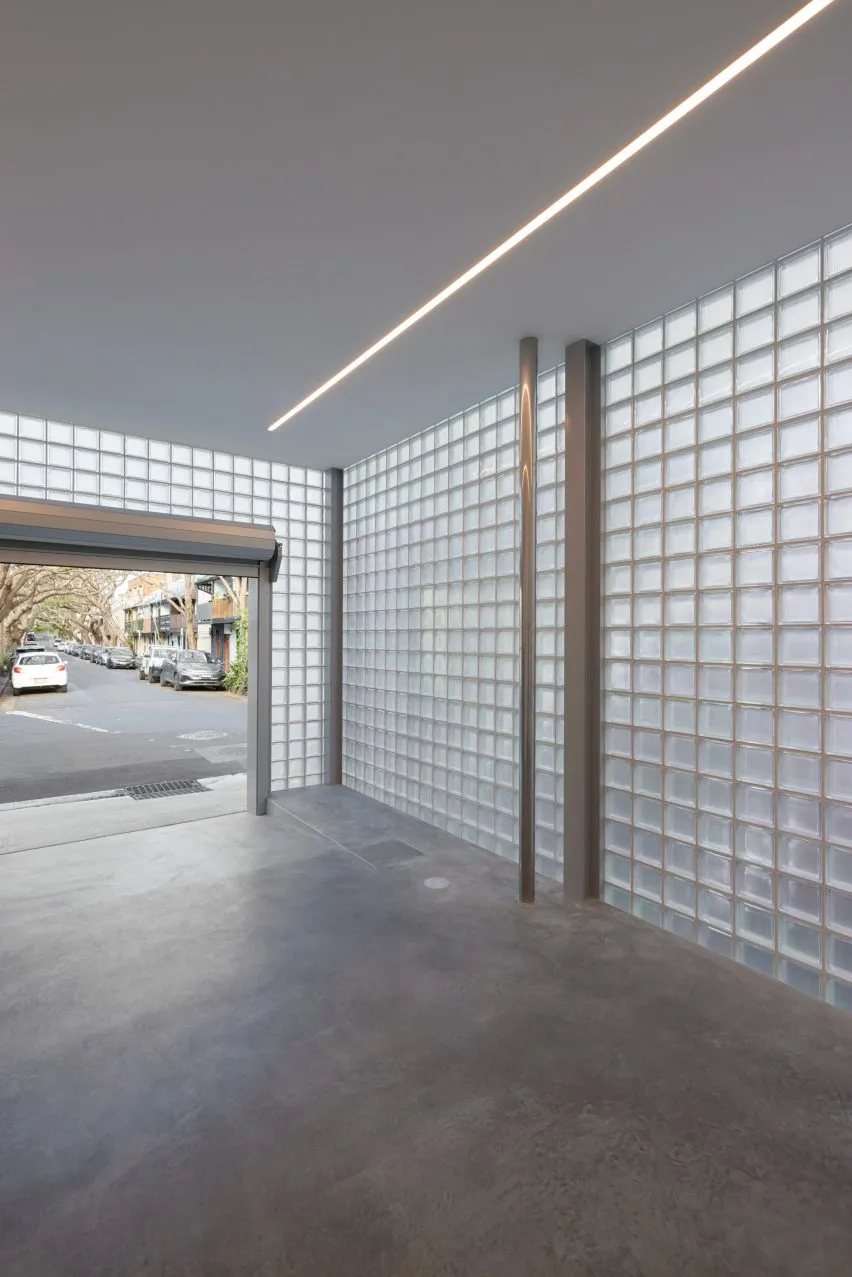
As reported by Dezeen, the project bookends the Victorian terrace row it sits within - which means from the street, it still reads as part of the historic fabric. Step around the back, though, and that luminous glass brick wall tells a very different, and very contemporary, story.
It's the kind of project that makes you look at an old neighbourhood building differently on your next walk around the block. Which, frankly, is exactly what good architecture should do.