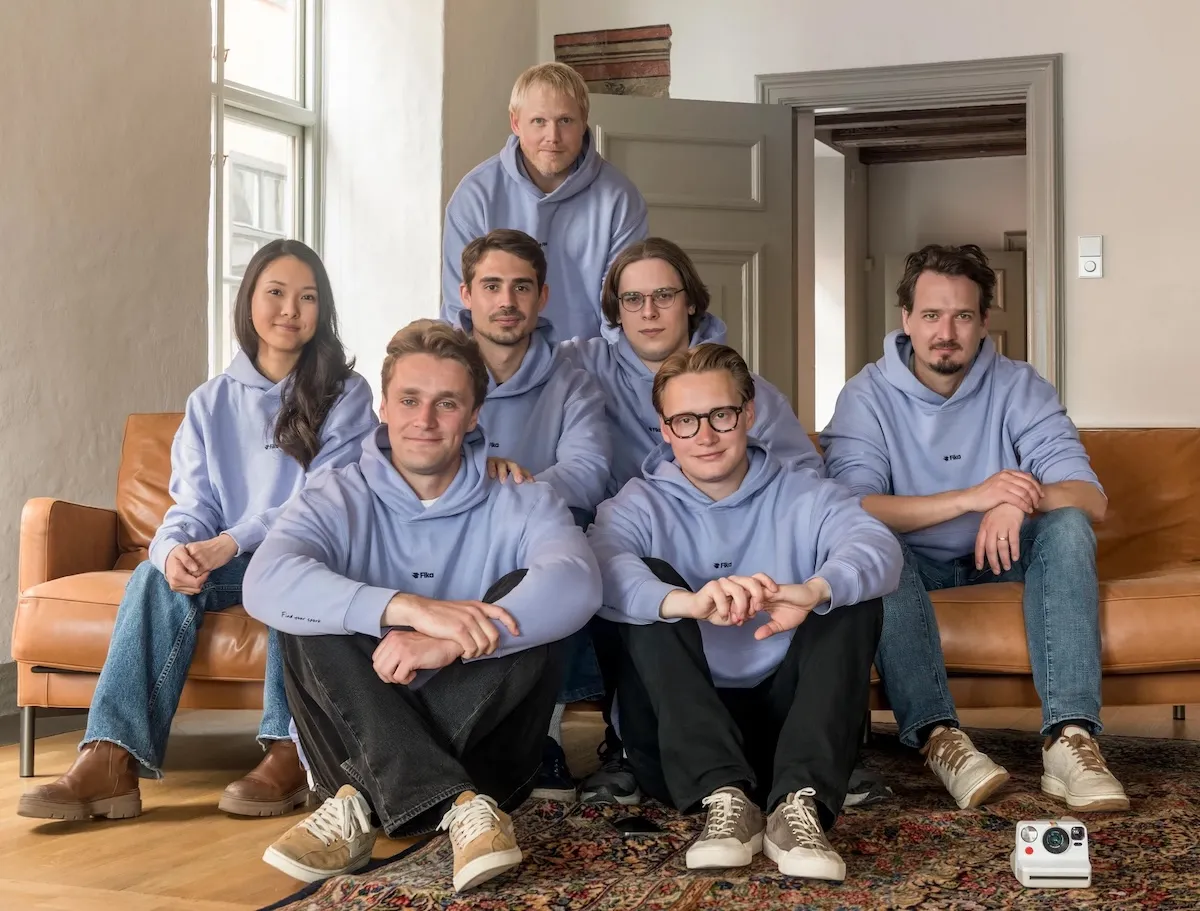
Good news if you love the hiring process: it's about to get weirder. Fika Jobs, a startup building a video-first hiring platform powered by AI interviewers, just raised $4 million to make job hunting feel even more like a dystopian game show.
The pitch, as reported by TechCrunch, is actually somewhat reasonable when you squint at it. Hiring has been a mess for decades - candidates pour hours into applications and cover letters only to vanish into a silent void, while recruiters drown in an inbox full of AI-generated resumes that now outnumber actual humans by a suspicious margin. Everyone loses. Everyone is miserable. Something has to give.
So... AI interviews you now
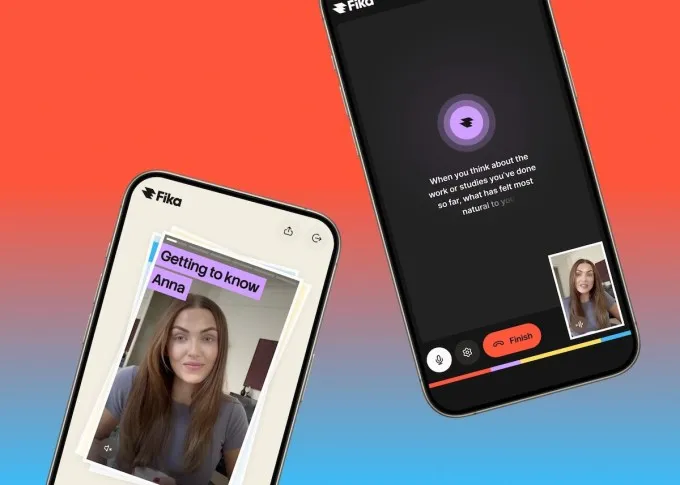
Fika's solution is to put AI agents in the interviewer's seat. Instead of waiting weeks for a recruiter to maybe, possibly, glance at your carefully crafted application, you get assessed via video by an artificial intelligence that presumably never zones out, never needs coffee, and absolutely will not check its phone mid-conversation.
The idea has genuine logic behind it. Video gives employers actual signal beyond keywords on a page. And an AI that interviews every single candidate at scale means that the notorious black hole - where your resume goes to die without so much as an automated rejection - could theoretically shrink.
But let's be real for a second
There is something delightfully chaotic about fighting AI-generated cover letters with AI interviewers. We have now reached a point where two robots may simply negotiate your employment while you nervously refresh your email. The human candidate is essentially middleware at this point.
There are also real questions worth asking. How does an AI interviewer handle nuance, nerves, or a candidate who just has an off day? What happens to people who freeze on camera but are brilliant in person? And who exactly is auditing whether these AI agents carry the same biases that already plague traditional screening tools?
Fika Jobs is entering a space that is genuinely crying out for innovation. The current system is broken in ways that frustrate literally everyone involved. But swapping one opaque system for another - even a faster, video-enabled one - is only an upgrade if the transparency actually improves alongside the efficiency.
Still, $4 million says somebody believes this is the future. Start practicing your on-camera smile. Your next interviewer will not be judging you, per se, but it will absolutely be watching.