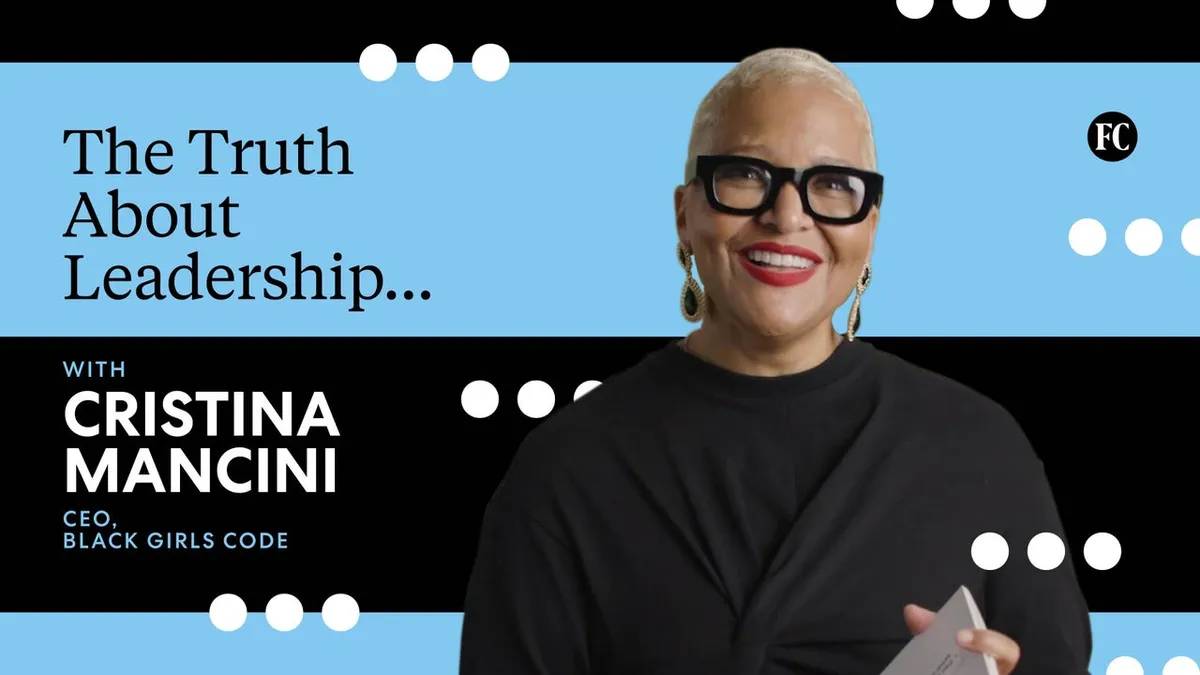
If your company's commitment to diversity, equity, and inclusion lives primarily on a landing page or in a carefully worded press release, it might be time for an honest conversation. According to Cristina Mancini, CEO of Black Girls Code, treating DEI as a brand strategy rather than a genuine organizational commitment doesn't just fall short - it actively undermines the work.
The difference between optics and outcomes
Writing in Fast Company, Mancini draws a sharp line between leaders who use DEI as a reputational tool and those who embed it into how their organizations actually operate. The distinction matters more than most executives seem to realize. When diversity initiatives exist primarily to signal values to customers or investors, the people those initiatives are supposed to serve tend to notice - and the trust lost is hard to rebuild.
It's a pattern that's become increasingly visible, especially in recent years when DEI commitments made loudly during periods of social pressure have been quietly scaled back when the spotlight moved elsewhere. That kind of conditional support isn't a strategy. It's a liability dressed up as a value.
Real commitment looks different
Mancini's perspective is shaped by her work at Black Girls Code, an organization focused on building pathways in tech for young Black women and girls. From that vantage point, she has a clear view of which corporate partnerships and commitments translate into meaningful change and which ones amount to little more than logo placement.
The organizations doing it right aren't just writing checks or adding diversity metrics to their annual reports. They're asking harder questions about hiring pipelines, retention, pay equity, and who actually has a seat at decision-making tables.
Why this matters right now
The timing of Mancini's perspective isn't incidental. DEI programs have faced significant pushback in some corners of the business world, with a number of high-profile companies rolling back initiatives they once championed. For leaders navigating that pressure, the temptation to treat diversity work as optional or purely strategic can be strong.
But as Mancini's framing makes clear, the communities most affected by that backsliding aren't abstractions - they're real people whose careers, opportunities, and sense of belonging inside organizations are shaped by whether leadership means what it says.
The bottom line is pretty straightforward: if DEI only shows up when it's good for the brand, it was never really about equity at all. And the people paying attention know the difference.