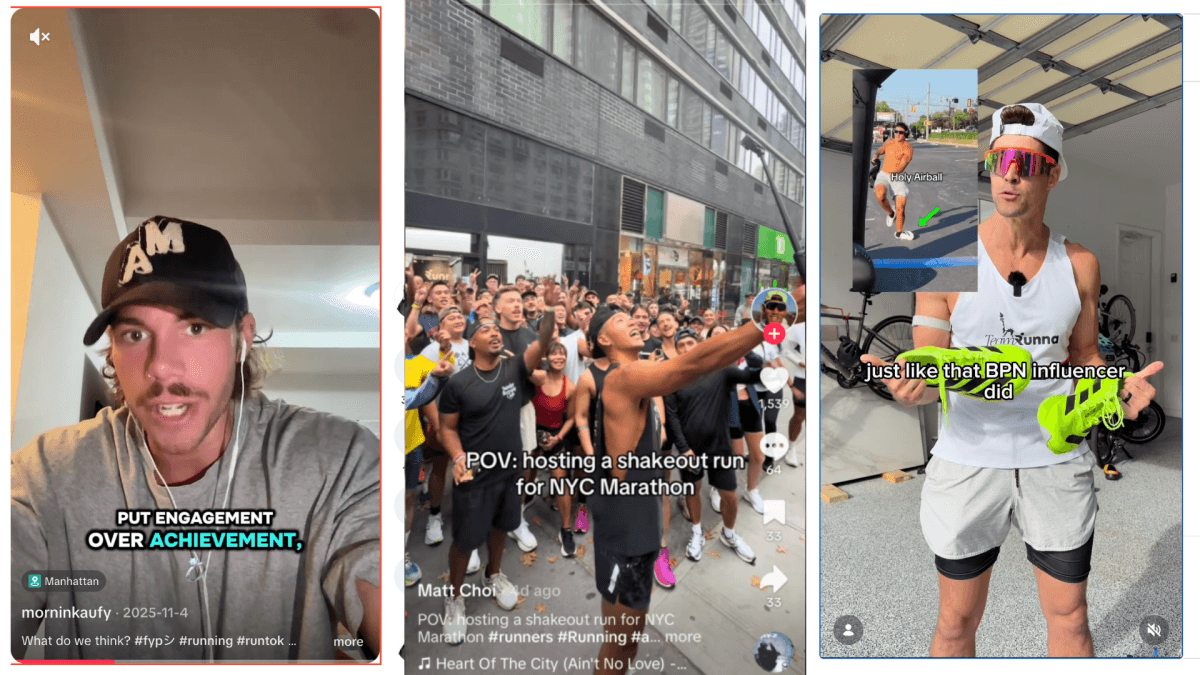
Running has had a serious moment. More people than ever are lacing up, joining clubs, and chasing personal bests. And naturally, social media has followed - filling feeds with sleek gear hauls, training montages, and plenty of confident advice about how you should be running your miles.
But here's the thing worth knowing before you overhaul your entire training plan based on someone's TikTok: being a dedicated, photogenic runner does not make someone qualified to coach you. According to a piece from Lifehacker, the rise of so-called "runfluencers" - runners with large social followings who share training tips, nutrition guidance, and injury advice - comes with a real credibility problem.
The appeal is obvious, the risks less so
It makes sense that we're drawn to these accounts. Watching someone crush a marathon or share their weekly mileage is genuinely motivating. And a lot of runfluencers are enthusiastic, well-meaning people who love the sport. The issue is that enthusiasm can look a lot like expertise, especially when it's packaged with high production values and a healthy follower count.
Advice about injury prevention, training loads, and nutrition is genuinely complex territory. What worked for one person's body, schedule, and running background might be actively counterproductive - or even harmful - for yours. Running injuries are already incredibly common, and following unvetted advice on things like how quickly to increase mileage or how to treat knee pain can make things significantly worse.
So where should you actually turn?
The good news is that trustworthy running guidance does exist - it's just less likely to come with a ring light and a brand deal. Certified running coaches, sports physiotherapists, and exercise physiologists are the people with actual training credentials behind their advice. Many offer consultations, online coaching, or even free content that's grounded in real sports science.
Established running organisations and sports medicine publications are also solid starting points. And if you're dealing with a specific injury or health concern, a professional in person is always going to be your best bet - no algorithm can watch you run and assess your gait.
None of this means you need to unfollow every runner you enjoy watching. Community, motivation, and a sense of shared experience are genuinely valuable parts of the sport. Just keep a healthy filter between the content you consume for fun and the advice you actually act on. Know the difference between someone sharing their experience and someone telling you what to do with yours.
Running is one of the most accessible sports there is. That's worth protecting - which means being a little discerning about who you let influence how you do it.