Milan has long been a city that rewards insiders. You need to know where to eat, which neighborhoods to actually walk through, which design showrooms will let you browse without an appointment. But lately, even the most connected people in the design world are finding that knowing Milan intimately doesn't give you much of an edge when it comes to actually buying property there.
A market that's outpacing its reputation
According to a personal account published by Architectural Digest, securing a historic apartment in Milan today requires more than taste, patience, or even a generous budget. The city's real estate market has quietly become one of the most competitive in Europe, drawing global buyers who are increasingly design-literate and willing to move fast.
What makes Milan's market particularly tricky is the gap between what people imagine it to be and what it actually is right now. Many buyers arrive expecting a leisurely European apartment hunt - beautiful buildings, reasonable prices by London or New York standards, and time to be thoughtful. What they find instead is a fast-moving, inventory-starved market where the good stuff disappears before most people even know it existed.
Historic doesn't mean easy
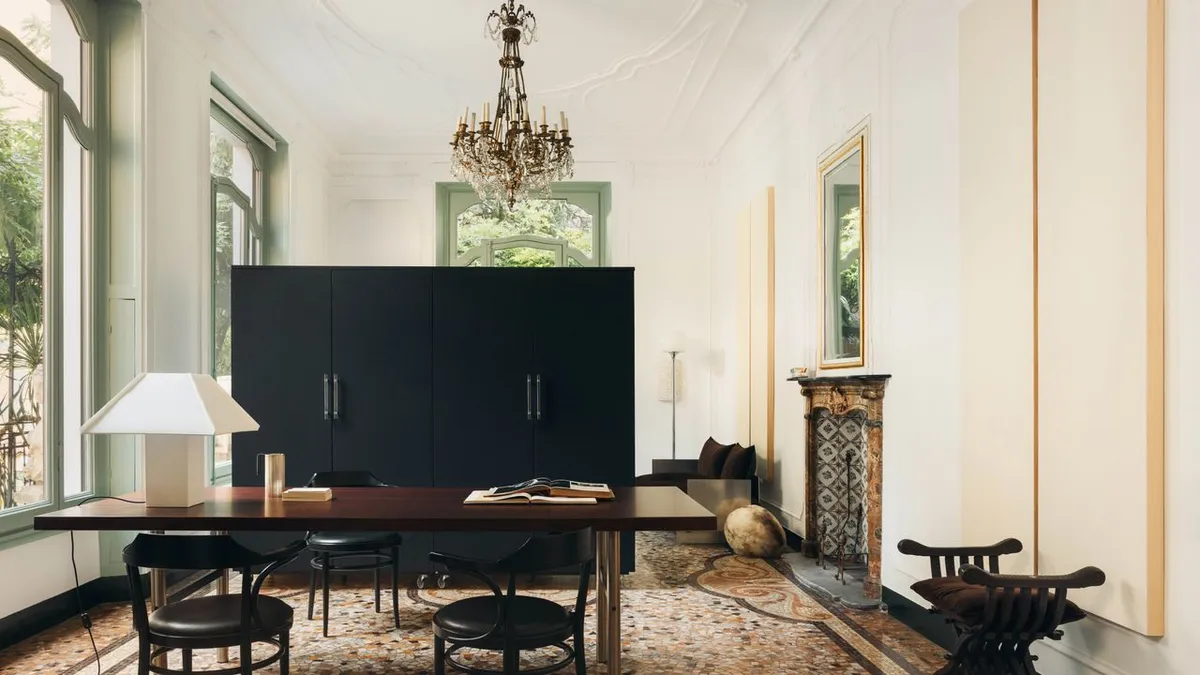
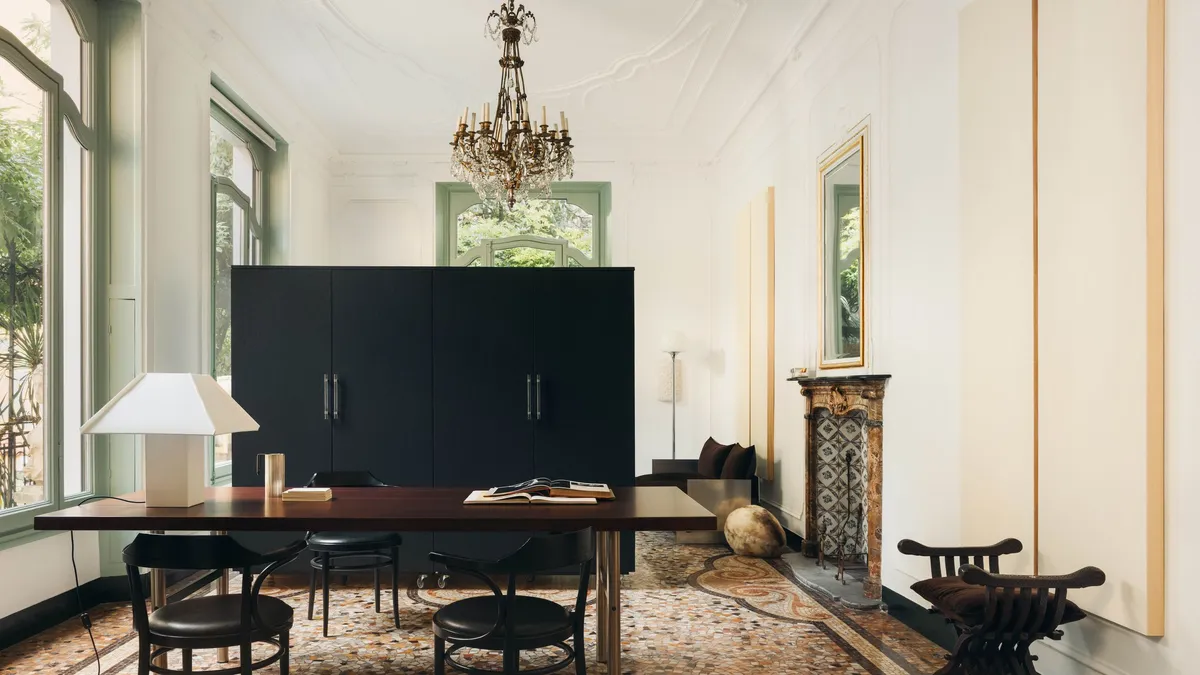
The appeal of Milan's older apartments - the high ceilings, the original terrazzo floors, the courtyards hidden behind imposing street facades - is exactly what makes them so hard to get. These properties don't come up often, and when they do, the people who have been quietly watching the market for years tend to move first.
Add to that the complexity of navigating Italian bureaucracy, the nuances of purchasing property as a foreign buyer, and the challenge of finding trustworthy local contacts, and you have a process that can feel genuinely overwhelming even for someone with design industry connections and a clear vision of what they want.
So why bother?
Because Milan is still Milan. Few cities in the world offer that particular combination of serious architectural history, a living design culture that isn't purely museum-ified, excellent food, and a pace of life that feels genuinely European without the tourist fatigue of Rome or Florence. For buyers willing to do the work, the payoff is real.
The Architectural Digest piece is worth reading not just as a cautionary tale but as a practical window into what the process actually looks like on the ground - timelines, frustrations, the moments where things almost fell apart, and what finally made it work. If you've been dreaming about a Milanese apartment, consider it essential reading before you book your next flight.