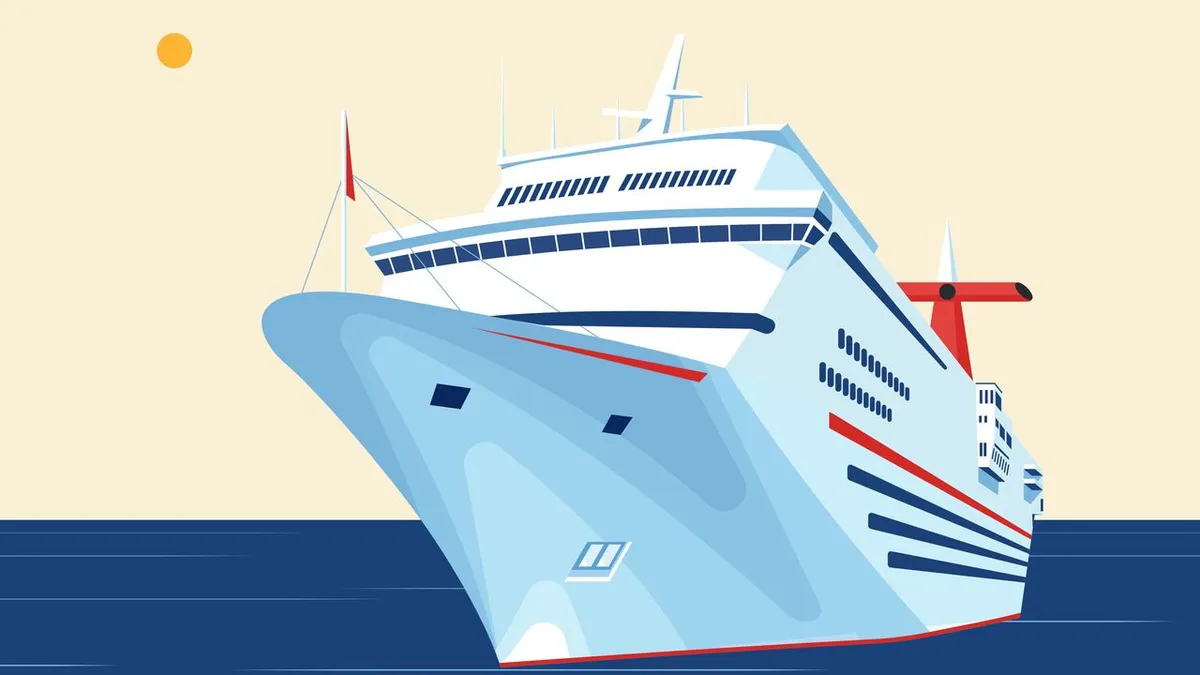
If you have a cruise booked that winds through the Middle East or the Arabian Gulf, it's worth checking in with your cruise line right now. Disruptions in the Strait of Hormuz - the narrow but strategically vital waterway connecting the Persian Gulf to the Gulf of Oman - are causing real headaches for the cruise industry, with some ships stuck in the region and others seeing upcoming sailings delayed or outright canceled.
Why this waterway matters so much
The Strait of Hormuz is one of those geographical chokepoints that sounds like a geography class abstraction until something goes wrong. It's one of the world's most heavily trafficked shipping lanes, and for cruise lines routing itineraries through the region, there's simply no easy workaround. When things get complicated there, vessels don't have a lot of options.
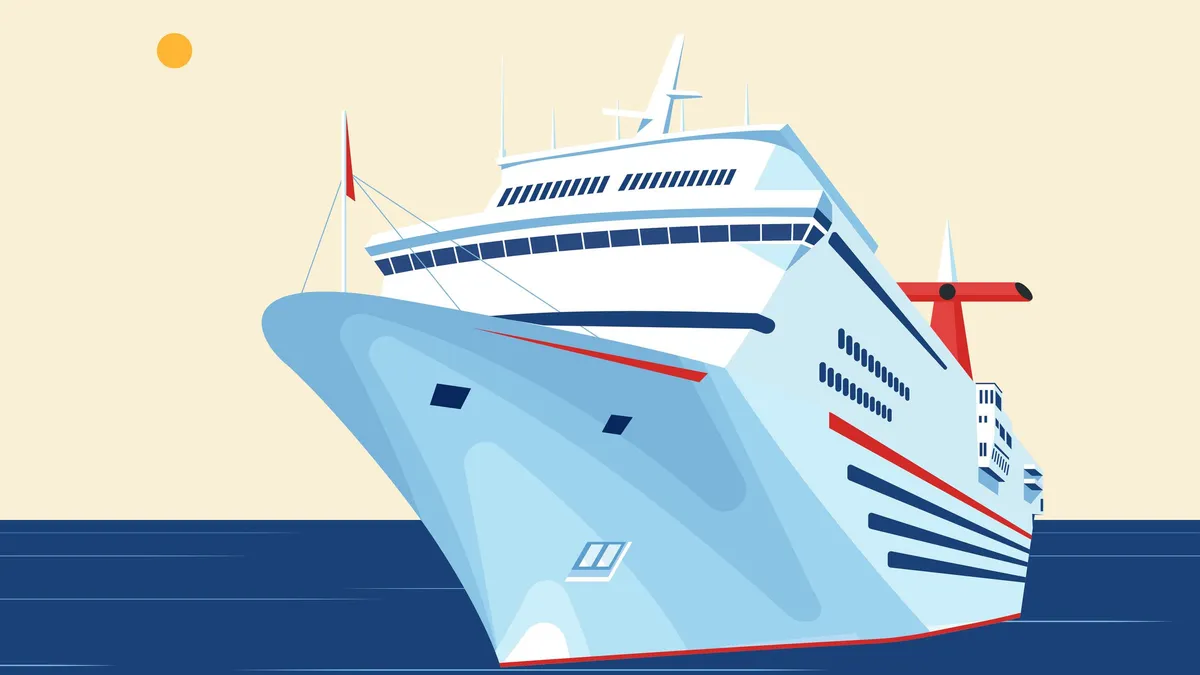
According to reporting by Condé Nast Traveler, cruise lines are grappling with the situation in real time - some ships are caught in the area, while passengers booked on upcoming sailings are being notified of changes to their trips. The disruptions are tied to broader geopolitical tensions that have made navigation through the strait increasingly uncertain.

What this means if you're a traveler
If you have a cruise planned through this part of the world, the most important thing you can do right now is stay in close contact with your cruise operator. Changes are happening quickly, and the situation remains fluid. Don't assume that because you haven't heard anything, everything is fine - be proactive.

Travel insurance also becomes particularly relevant here. If you've booked a trip to the region and haven't looked at your policy recently, now is a good time. Understanding what counts as a covered disruption and what doesn't can save you a lot of stress - and potentially a lot of money - if your itinerary does change.
The bigger picture for travel planning
This is also a reminder of something seasoned travelers already know: geopolitics and travel are never fully separate. Destinations that feel removed from global events can shift quickly, and the infrastructure that supports international travel - shipping lanes, ports, airspace - is more interconnected and fragile than most of us think about when we're booking a holiday.
None of this is a reason to avoid adventurous travel. It is, however, a reason to book with reputable operators, invest in solid travel insurance, and stay informed when you're heading somewhere that carries any geopolitical complexity. The world is worth exploring - just go in with your eyes open.